Manaus Cartórios to Issue New National Identity Cards Starting July 13
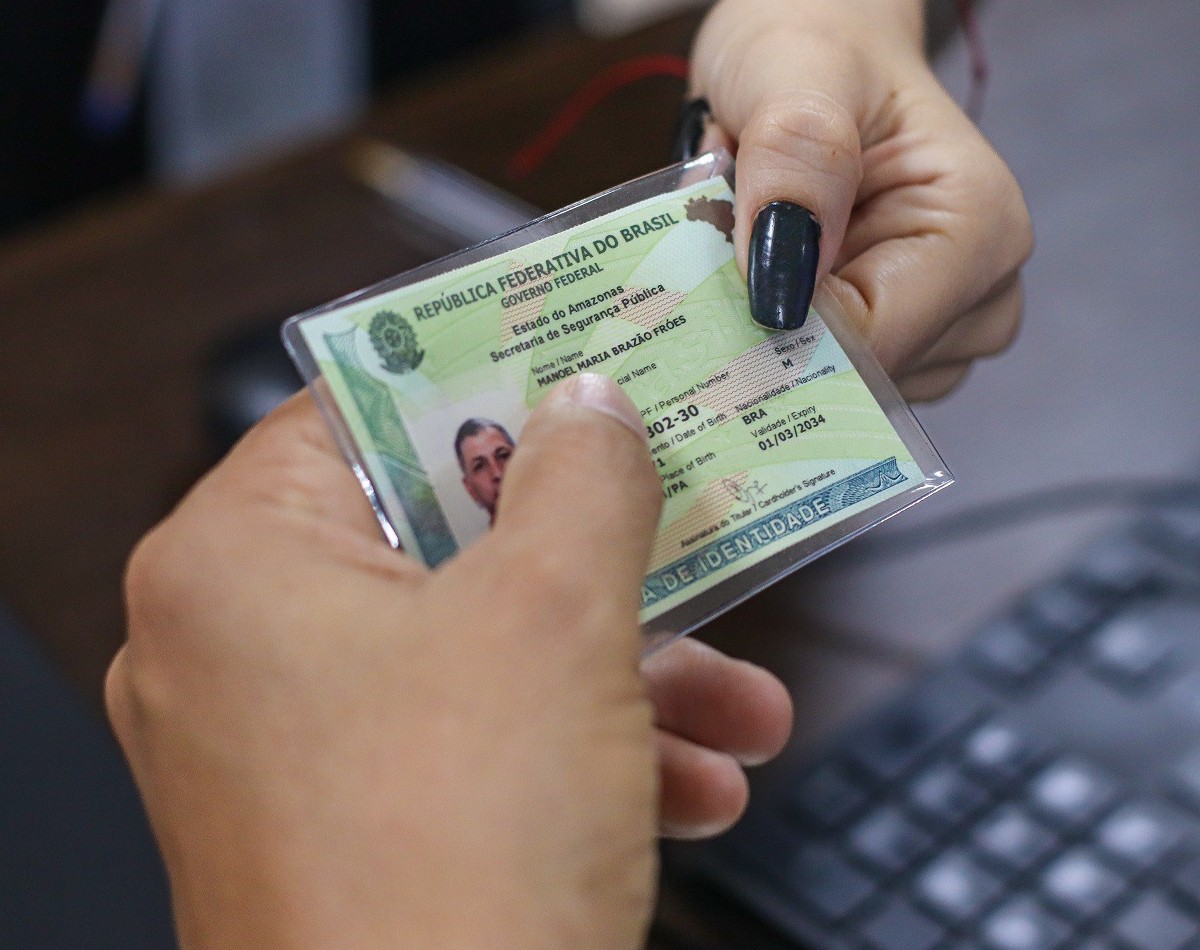
Starting July 13, twelve civil registry offices in Manaus, Amazonas, will begin issuing the new National Identity Card (CIN). This pilot project, the first of its kind in Amazonas, aims to alleviate service queues and expand issuance points within the capital city. Unlike government-provided services, obtaining the CIN at these private offices will incur a fee, ranging from R$ 165 for a paper version to R$ 307 for a polycarbonate card. Following this initial phase in Manaus, the service is expected to expand to other offices in the city and eventually to the interior of the state. Cartório staff have undergone training organized by the Corregedoria-Geral de Justiça do Amazonas and the Associação dos Notários e Registradores do Estado to provide this service. To apply for the CIN, citizens must present an updated birth or marriage certificate, proof of residence, CPF number, and their previous identity document if available. The Instituto de Identificação Aderson Conceição de Melo remains responsible for security and verification of information. The civil registry offices will collect fingerprints, photos, and documents, submit them for federal validation, and then issue the CIN to the applicant.
The expansion of National Identity Card (CIN) issuance to private civil registry offices in Manaus represents a public-private partnership model to enhance government service delivery. This approach leverages existing private infrastructure and personnel to increase accessibility and potentially reduce wait times, a common challenge in public identification systems. However, the introduction of fees for a document often considered a fundamental right raises questions about equitable access, particularly for lower-income populations. The success of this initiative will depend on balancing the operational costs and revenue generation for the registry offices with the state's commitment to universal identification. Future considerations should include exploring subsidized options or alternative free issuance channels to ensure inclusivity, especially as the program potentially scales to other regions.
AI-generated to prompt reflection — not editorial opinion, not advice, not a statement of fact. How this works.