Manaus Chemical Leak: Residents Uninformed About Emergency Procedures
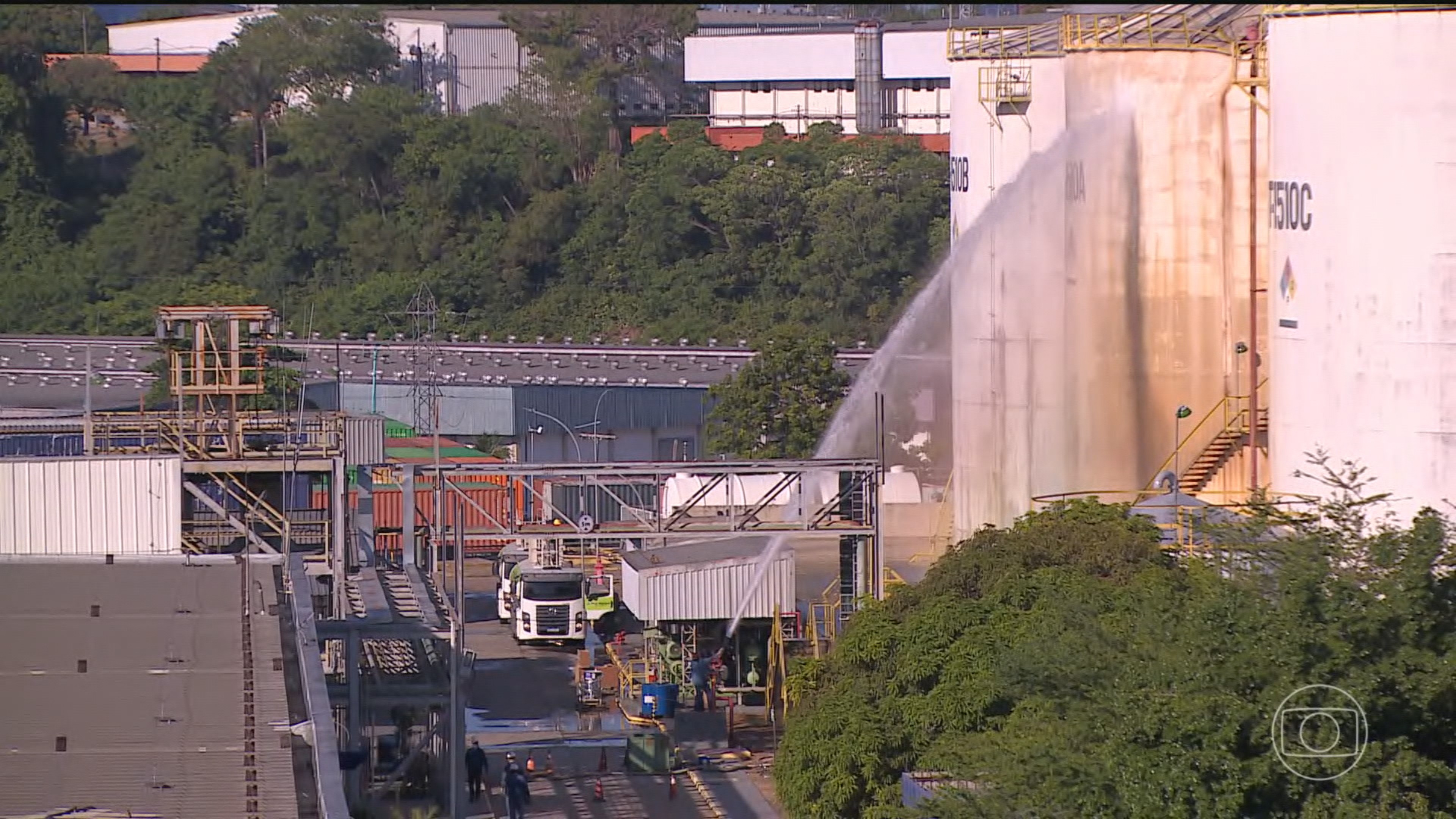
A significant leak of styrene monomer occurred at Innova's Unit 4 in the Manaus Industrial District on Wednesday, April 15th, at 5:36 PM. The incident, caused by an abnormal temperature rise in a storage tank, has affected over 400 people who have sought medical attention. Residents living near the facility, including 63-year-old homemaker Rosivete Ferreira, reported experiencing symptoms such as nausea, headaches, eye irritation, throat tightness, and shortness of breath. Ferreira stated that she had never received any information or guidance on how to act in case of such chemical accidents involving local industries. She only became aware of the potential risks after the leak occurred and attempted to mitigate exposure by keeping her home's doors and windows closed. Other workers and residents near Innova also reported feeling unwell, with symptoms like headaches and diarrhea. Experts from the Federal University of Amazonas confirmed that styrene monomer is a toxic substance whose inhalation can cause respiratory and neurological effects. The chemical evaporates quickly, potentially spreading over long distances, and can react with rain to form harmful compounds. Firefighters have been working since Wednesday to cool the storage tank and prevent further risks, with the primary hypothesis pointing to a spontaneous reaction within the tank. The leak prompted the immediate evacuation of a nearby shopping mall. Innova, the Amazonas State Government, and the Superintendence of the Manaus Free Trade Zone (Suframa) have been contacted for information on emergency preparedness and communication protocols for nearby communities, but had not yet responded at the time of reporting.
The incident highlights a critical gap in industrial safety protocols concerning community preparedness for chemical emergencies. While the company activated its Emergency Response Plan, the lack of prior communication and guidance to residents living in close proximity to the facility indicates a potential systemic failure in risk communication and public engagement. This situation underscores the importance of proactive risk assessment and transparent information dissemination, especially in densely populated areas near industrial zones. Future regulations and corporate social responsibility frameworks should prioritize robust community notification systems and regular drills, ensuring that local populations are not only informed but also equipped to respond effectively to potential industrial accidents. The long-term implications for public trust and the environmental health of the region depend on addressing these communication deficiencies.
AI-generated to prompt reflection — not editorial opinion, not advice, not a statement of fact. How this works.