Manaus Chemical Leak: Tank Cooling Continues After 86+ Hours, Over 400 Seek Medical Aid
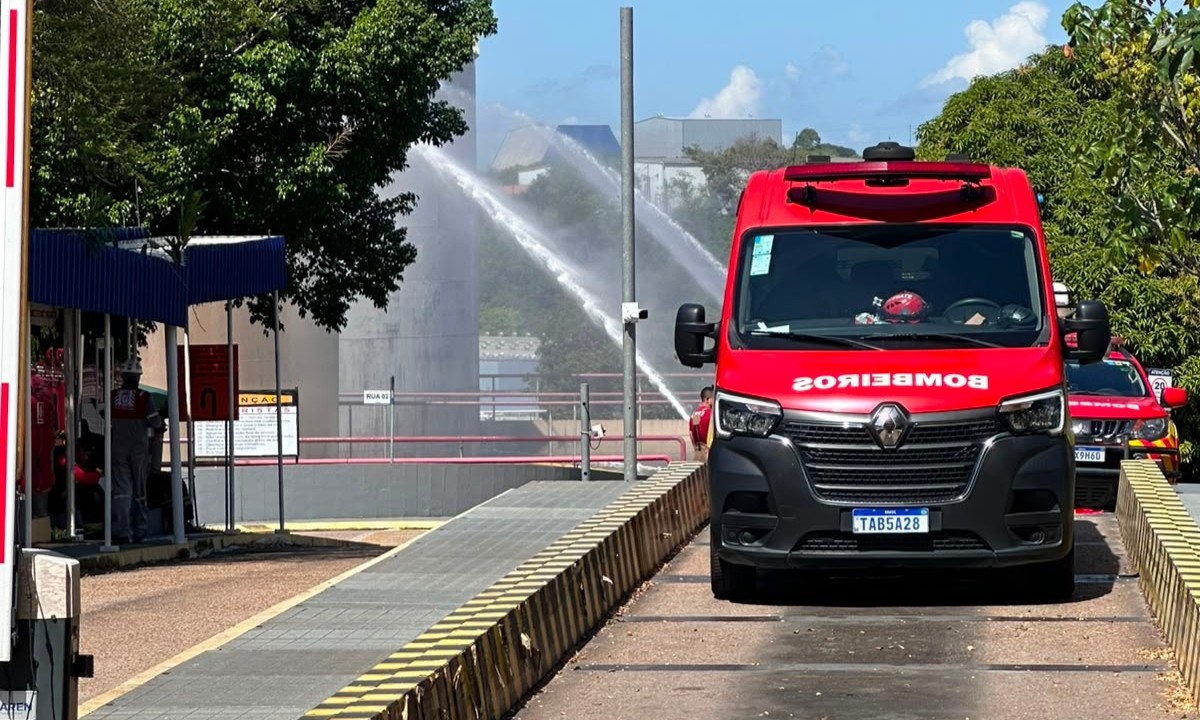
Firefighters in Manaus, Brazil, are continuing efforts to cool a storage tank at the Innova factory following a toxic gas leak that began over 86 hours ago. The incident, involving styrene monomer, occurred on Wednesday, April 15th, at 5:36 PM in the Southern Industrial District. The leak was triggered by an abnormal temperature increase in the stored monomer. Innova declared a "chemical emergency" and initiated safety protocols, maintaining a 300-meter exclusion zone around the facility. Firefighters are using laser equipment to monitor the tank's internal temperature and are actively suctioning the gas. On Friday, April 17th, a drone detected a fissure in the tank's containment basin, confirming the ongoing leak. Consequently, the Municipal Institute of Urban Planning (Implurb) partially shut down the industrial unit. Innova has been fined over R$ 22.4 million by city and state environmental agencies for air, soil, and water pollution. The State Secretariat of Health of Amazonas (SES-AM) reported that 213 people received treatment in state facilities, with one patient transferred from intensive care to a regular ward by Saturday, April 18th. The Superintendent of the Ministry of Labor and Employment in Amazonas stated that Innova continued production for at least 48 hours after the leak to empty the affected tank, using the product in its manufacturing process. Residents and workers near the factory reported symptoms including nausea, headaches, eye irritation, throat tightness, shortness of breath, and diarrhea, consistent with styrene monomer exposure. Experts from the Federal University of Amazonas confirmed styrene monomer's toxicity, noting its rapid evaporation and potential for widespread dispersal as a gas, with rain posing additional contamination risks.
The prolonged response to the Innova chemical leak highlights critical challenges in industrial safety and emergency management. The incident underscores the importance of robust containment systems and proactive monitoring to prevent exothermic reactions in stored chemicals like styrene monomer. The substantial fines levied suggest potential regulatory gaps or enforcement issues. Furthermore, the company's decision to continue production post-leak, purportedly to empty the tank, raises questions about risk assessment and prioritization of community safety versus operational continuity. Future industrial planning must integrate advanced predictive analytics and fail-safe mechanisms to mitigate the cascading effects of such chemical incidents, particularly in densely populated areas, ensuring that economic imperatives do not override public health and environmental protection.
AI-generated to prompt reflection — not editorial opinion, not advice, not a statement of fact. How this works.