Manaus City Council Session Disrupted by Lack of Quorum After Recess
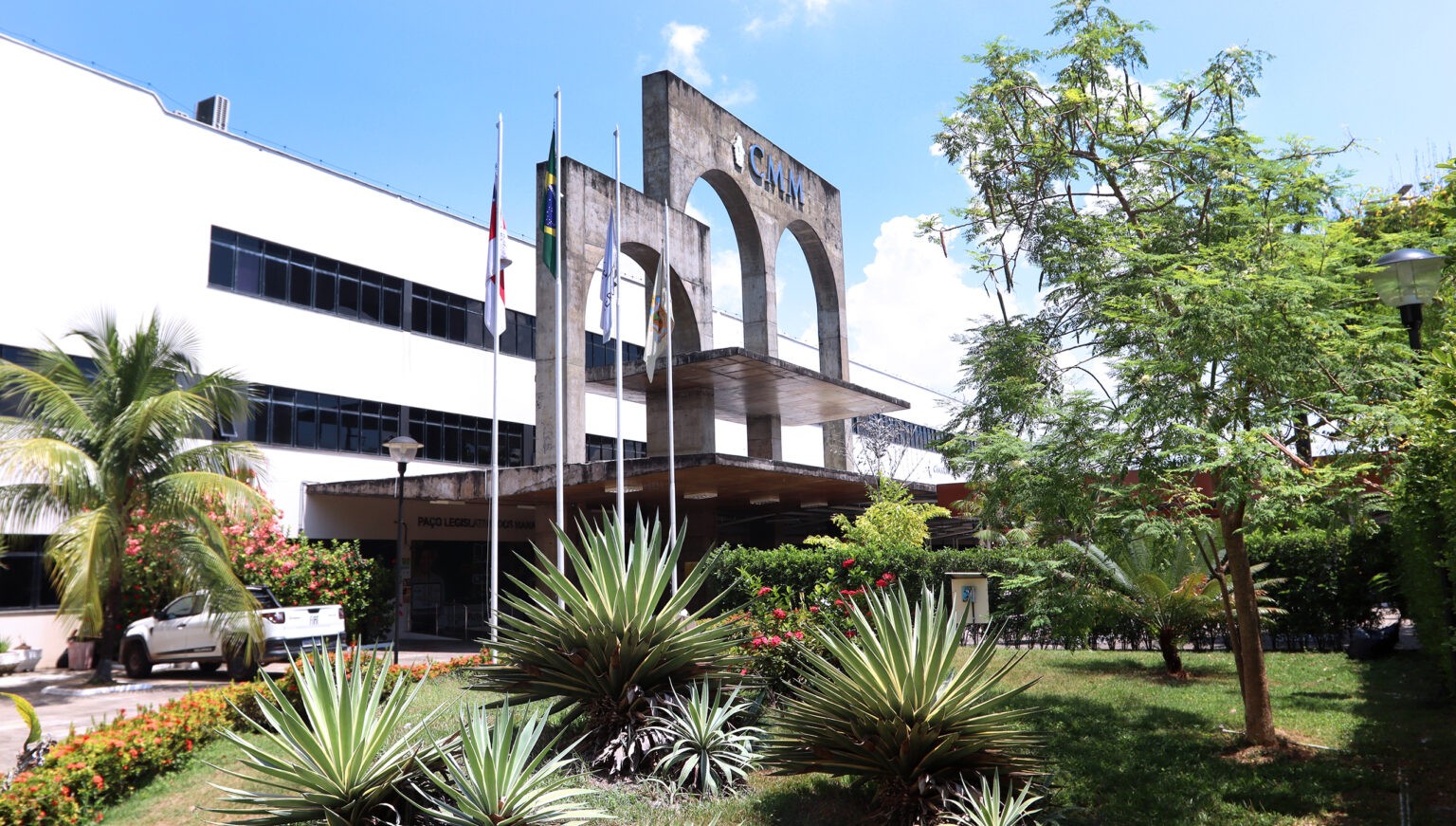
The first session of the Manaus City Council (CMM) following its parliamentary recess was significantly disrupted by a lack of quorum on Monday, August 3rd. The session, intended to mark the resumption of legislative work for the second semester, was cut short due to insufficient attendance. While the electronic attendance panel initially showed 36 council members present, the chamber became nearly empty during the debate and announcement phase. This absence of the minimum required 21 council members compelled the Presiding Board to halt proceedings temporarily. The situation led to sharp criticism among the remaining councilors and from the opposition, who also questioned the absence of the Council President, Davi Reis (Avante). Councilman Rodrigo Guedes (Republicanos) voiced strong disapproval of the current attendance tracking system, arguing it allows council members to be marked present without remaining for the entire session. He claimed that registering attendance at the beginning or end is sufficient, regardless of participation in debates and votes, calling it a daily "immorality." Concerns were also raised that absences may increase in the second semester due to the upcoming October elections, as council members balance legislative duties with campaign activities. Councilman Gilmar Nascimento (Avante), who serves as the Corregedor and President of the Constitution, Justice, and Drafting Committee, pledged to monitor the situation and ensure council members fulfill their duties to prevent delays in legislative proposals.
The disruption of the Manaus City Council session due to a lack of quorum highlights systemic challenges in legislative accountability, particularly as electoral cycles approach. The described attendance system, which permits members to register presence without sustained participation, creates an incentive structure where electoral campaigning may take precedence over legislative duties. This dynamic raises questions about the effectiveness of current governance mechanisms in ensuring consistent representation and legislative output. Looking ahead, the integration of digital tools for remote participation or more robust attendance verification could mitigate future quorum issues, yet the underlying tension between electoral demands and legislative responsibilities will likely persist, requiring ongoing scrutiny of parliamentary engagement standards.
AI-generated to prompt reflection — not editorial opinion, not advice, not a statement of fact. How this works.
