Manaus City Councilor Jaildo Oliveira Loses Mandate After Court Ruling
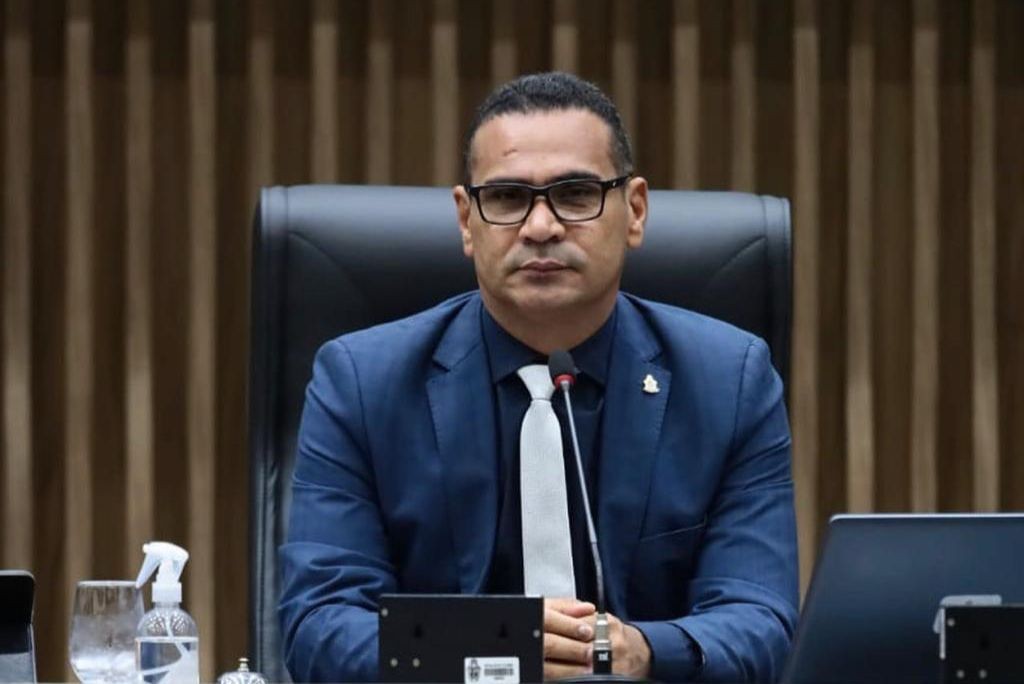
A court in Amazonas has ordered the immediate removal of Manaus City Councilor Jaildo Oliveira (PV) from his position, mandating the Municipal Chamber of Manaus (CMM) to declare his seat vacant and summon his replacement. The decision was issued by Judge Aldrin Henrique de Castro Rodrigues of the 4th Public Treasury Court in response to a writ of mandamus filed by the Municipal Directorate of the Workers' Party (PT).
The PT argued that Oliveira was definitively convicted for irregularities in the use of his Parliamentary Activity Quota (CEAP), leading to a court order for him to reimburse public funds. The party further contended that the Chamber's presidency failed to take necessary actions after being notified of the final court decision, and that Oliveira's conviction impacted his political rights, necessitating his removal and the calling of his substitute. The PT emphasized that Oliveira's continued presence in office prevents the party from having its rightful representation in the Municipal Chamber, as the substitute is former councilor Sassá da Construção Civil (PT).
Judge Rodrigues found sufficient grounds for the immediate regularization of the legislative body's composition, ordering the Chamber's presidency to publish the vacancy declaration, suspend Oliveira's duties and future payments, and summon the qualified substitute. The ruling specifies that the vacancy declaration is purely declarative and does not require a plenary vote or a new review of the conviction. A daily fine of R$2,000, capped at 30 days, was imposed for non-compliance, with warnings of potential administrative, civil, and criminal liability for resistance. The case's merits will be further examined after responses from the CMM, Oliveira, and the Public Prosecutor's Office. Oliveira was ordered to return R$101,500.00 for irregular expenses between July 2010 and August 2011, which included costs for food, fuel, transport, and publicity not demonstrably linked to political activity.
This judicial decision highlights the critical intersection of public finance accountability and legislative representation. The ruling underscores the principle that final convictions for financial impropriety, particularly concerning public funds, can and should trigger consequences for elected officials, irrespective of political maneuvering. The court's emphasis on the 'declaratory nature' of the vacancy aims to streamline the process and prevent further erosion of public trust and legislative integrity. The imposed daily fine serves as a strong incentive for institutional compliance with judicial orders, signaling a commitment to upholding legal frameworks over political expediency. This event prompts consideration of governance structures that ensure swift and transparent enforcement of financial regulations for public servants, thereby reinforcing democratic accountability.
AI-generated to prompt reflection — not editorial opinion, not advice, not a statement of fact. How this works.