Manaus City Councilor Jaildo Oliveira's Mandate Suspension Temporarily Lifted by Court
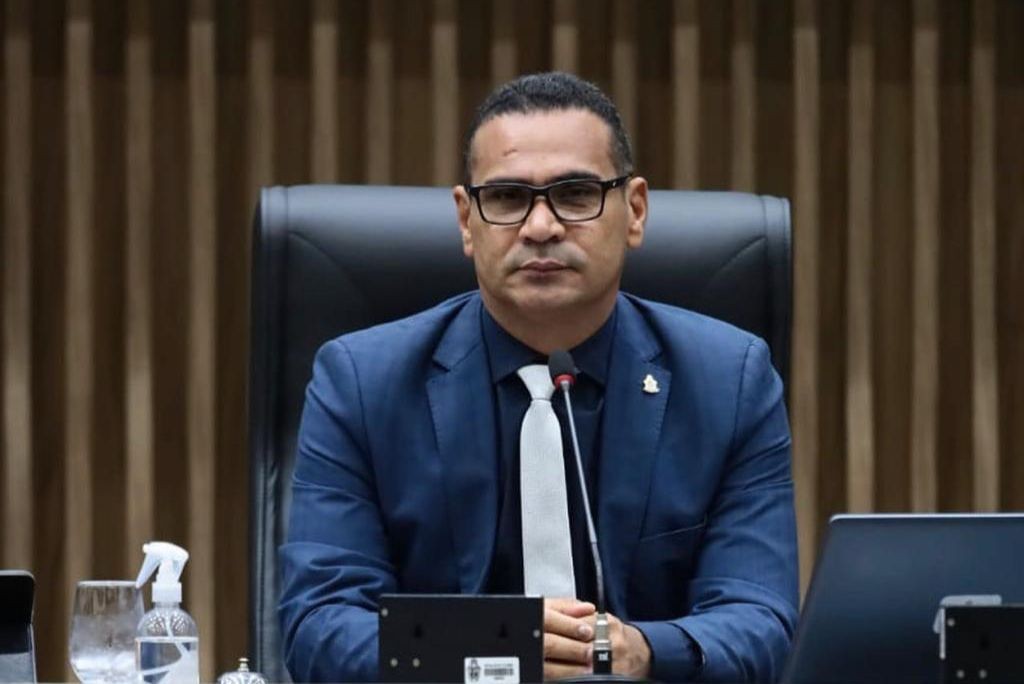
A court in Amazonas has temporarily suspended the decision to remove Manaus City Councilor Jaildo Oliveira (PV) from his position. The decision, made on Saturday, November 18th, by Appellate Judge Ida Maria Costa de Andrade, halted the immediate swearing-in of the alternate councilor, Sassá da Construção Civil (PT). This followed an earlier ruling on Friday, November 17th, by first-instance judge Aldrin Henrique de Castro Rodrigues, which had ordered Oliveira's removal and suspension of payments. The initial ruling was in response to a request from the Municipal Directorate of the Workers' Party (PT), which cited Oliveira's definitive conviction for misappropriating public funds related to parliamentary activity expenses, totaling R$ 101,500. Oliveira's defense appealed the decision, arguing that the original conviction only mandated financial restitution, not the loss of office or political rights. They also contended that a first-instance judge lacked the legal authority to rule on acts of a Municipal Chamber president, asserting that such jurisdiction belongs to the State Court of Justice. Furthermore, the defense claimed the PT missed the legal deadline to file their action. Appellate Judge Ida Maria noted potential issues with the first-instance judge's jurisdiction, referencing the State Court of Justice's internal regulations that assign such cases to the Plenary Sessions for judgment. The case will now proceed to the Plenary Sessions of the Amazonas State Court of Justice for a final decision, with Oliveira retaining his seat until then.
This judicial development highlights the complex interplay between electoral mandates, financial accountability, and procedural due process within Brazil's municipal governance. The temporary stay of execution underscores the judiciary's role in ensuring that potentially impactful decisions undergo thorough review, particularly when they involve the removal of elected officials. The defense's arguments regarding jurisdictional competence and procedural deadlines suggest a strategic legal challenge aimed at leveraging institutional rules to preserve the councilor's position pending a comprehensive review. This situation prompts consideration of the checks and balances designed to prevent arbitrary removals and ensure that convictions translate into sanctions only through established legal frameworks. The ultimate resolution by the State Court of Justice will clarify the application of legal statutes concerning public fund irregularities and the authority of different judicial levels in such matters.
AI-generated to prompt reflection — not editorial opinion, not advice, not a statement of fact. How this works.