Manaus Company Fined R$4.5 Million After Toxic Gas Leak
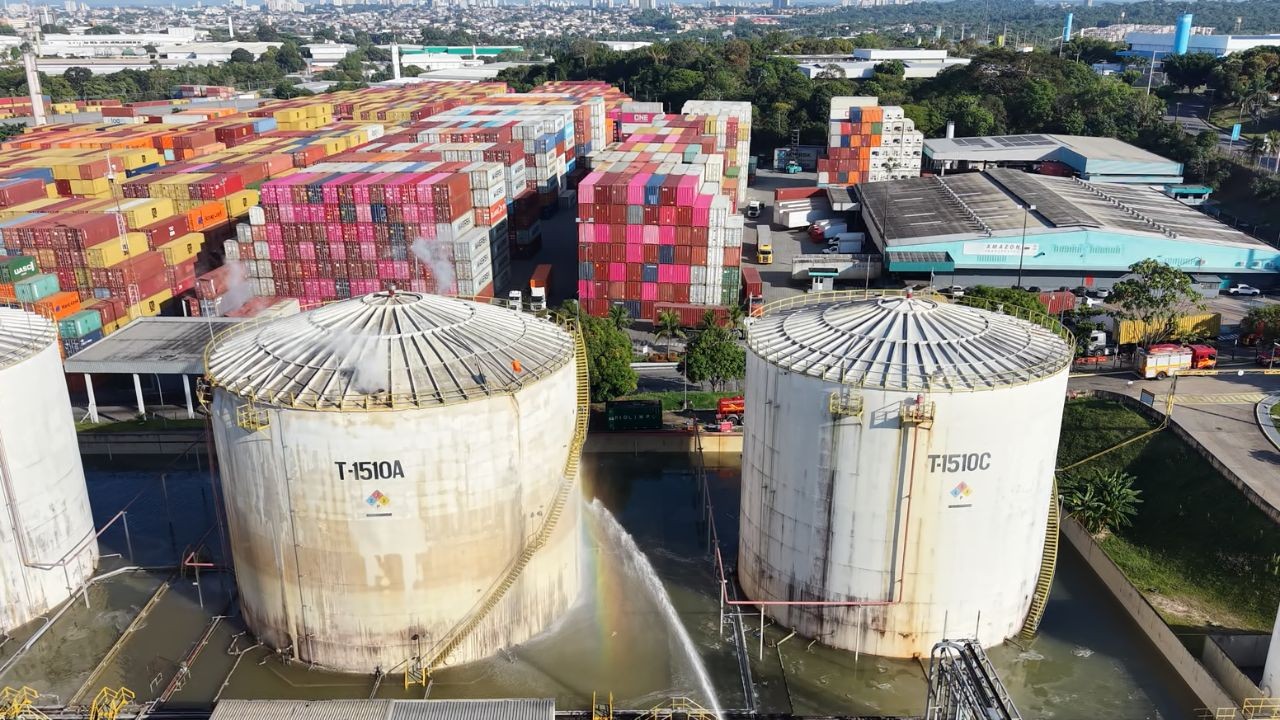
The Innova company in Manaus has been fined R$4.5 million by the city government following a toxic gas leak that occurred on Wednesday, March 15th. The leak, caused by an abnormal temperature increase in a stored styrene monomer reservoir, led to the release of toxic vapors. Styrene monomer is used in the production of plastics, synthetic rubber, and expanded polystyrene (styrofoam). Exposure to these vapors can cause irritation to the eyes, nose, and throat, as well as headaches, dizziness, and nausea. A task force, comprising teams from the Municipal Secretariat of Environment and Sustainability (Semmas), the Municipal Institute of Urban Planning (Implurb), the Municipal Secretariat of Health (Semsa), and the Executive Secretariat of Civil Protection and Defense (Sepdec), conducted an inspection and found that atmospheric pollution levels remained above safe limits for human exposure. The company was fined 30,000 Municipal Fiscal Units (UFMs), equivalent to R$4,554,300. Innova has 20 days to submit technical safety reports, a contingency plan, an emergency response plan, and information on drainage and treatment capacity. Failure to comply could result in further penalties. Firefighters and the Manaus City Hall are working to cool the styrene tank to stop the leak, with ongoing containment efforts. The state health secretariat reported 149 health service attendances related to the incident, with 140 patients discharged and nine remaining hospitalized due to symptoms like shortness of breath, dizziness, and nausea. An investigation into the cause of the overheating, suspected to be a spontaneous reaction within the tank, is underway, with authorities considering potential structural irregularities and the possibility of partial or total factory closure.
The incident highlights critical safety management failures within industrial operations, particularly concerning the storage of volatile chemicals like styrene monomer. The city's swift imposition of a significant fine and stringent reporting requirements underscores a regulatory response aimed at immediate accountability and future prevention. However, the ongoing health impacts and environmental monitoring suggest that the long-term consequences of such leaks require sustained public health oversight and robust corporate environmental stewardship. The event also raises questions about the adequacy of existing industrial zoning and emergency preparedness protocols in densely populated areas, prompting a re-evaluation of risk mitigation strategies in the face of evolving industrial processes and their potential systemic impacts over the next decade.
AI-generated to prompt reflection — not editorial opinion, not advice, not a statement of fact. How this works.