Manaus Court Orders Minimum Bus Service Amidst Driver Strike Over Unpaid Wages
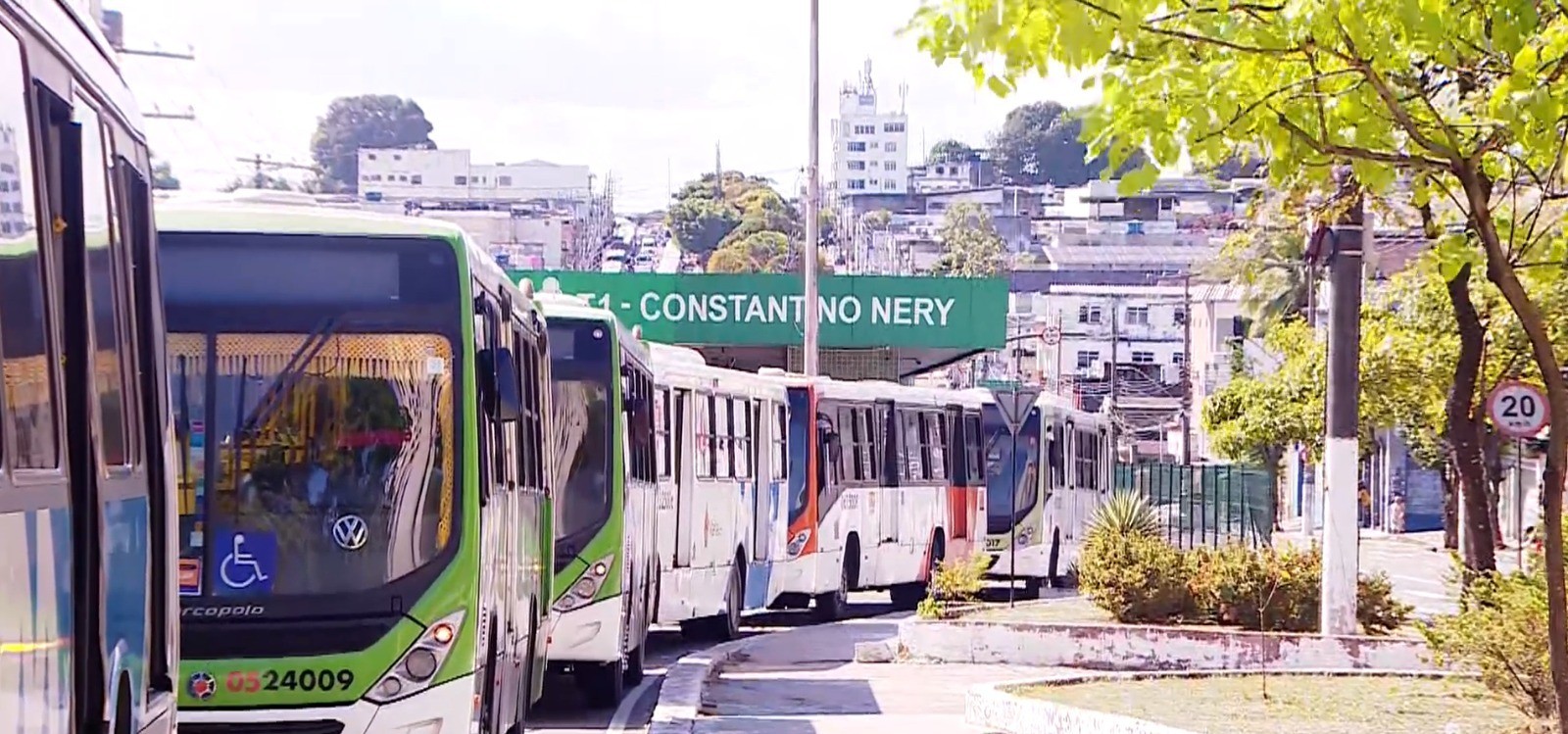
A labor court in Manaus, Brazil, has mandated a minimum operational fleet for the city's public bus system following a strike by transport workers. The ruling, issued on Monday, November 20th, requires 80% of buses to run during peak hours (6-9 AM and 5-8 PM) and 50% during off-peak times. Failure to comply will result in a R$ 120,000 per hour fine for the Manaus Road Transport Workers' Union (STTRM). The decision allows the strike to continue, provided these minimum service levels are maintained. Judge David Alves de Mello Junior of the Regional Labor Court of the 11th Region (TRT-11) also ordered the union to create a rotation schedule for drivers to participate in the strike without completely halting service. Bus companies are required to adjust their operations to meet the court-ordered percentages. The ruling further prohibits the union from obstructing access to company garages and mandates that any demonstrations must occur at least 200 meters from establishment entrances. The union was also ordered to publicize the court's decision on its social media channels. The strike was initiated due to delayed salary payments to drivers, with union president Givancir Oliveira citing ongoing non-compliance by bus companies with payment deadlines, even after a previous court order. The union's vice-president, Josenildo Silva, highlighted that companies had previously failed to adhere to a court order mandating payment of 40% of salaries by the 20th of each month and the remaining 60% by the fifth business day of the following month. The Union of Passenger Transport Companies of Amazonas (Sinetram) expressed surprise at the strike, stating they received no prior notice and were not consulted by the union. Sinetram intends to pursue legal action to resume bus operations. The Manaus City Hall stated it has no outstanding debts with Sinetram for the current year, while the Amazonas State Government confirmed it is meeting its obligations for the Student Free Pass program and has transferred over R$ 31.1 million to Sinetram for 2025. The state claims pending reimbursements are held up by Sinetram's failure to sign necessary joint petitions for judicial deposits and a lack of detailed student usage data, which is required for further transfers.
This situation highlights a recurring conflict between labor rights and public service continuity, exacerbated by payment disputes. The court's intervention aims to balance the workers' right to strike and seek redress for unpaid wages against the public's need for essential transportation. The substantial fines and potential criminal charges for non-compliance signal the judiciary's intent to enforce service levels. However, the underlying issue of delayed payments suggests systemic financial or managerial challenges within the transport companies, potentially linked to government subsidies or fare structures. Future resolutions may require a comprehensive review of the funding model for public transport in Manaus to ensure timely wage payments and prevent similar disruptions, considering the increasing reliance on public services in an evolving urban landscape.
AI-generated to prompt reflection — not editorial opinion, not advice, not a statement of fact. How this works.