Manaus Declares 83-Year-Old Novena to Our Lady of Perpetual Help an Intangible Cultural Heritage
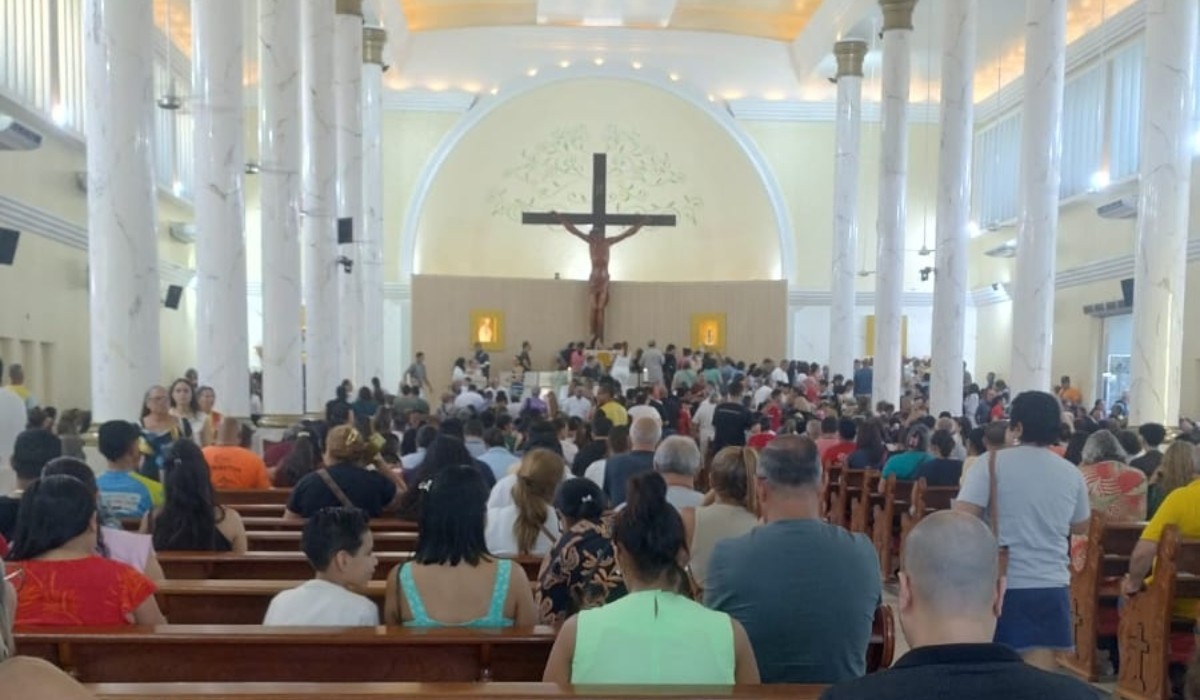
Manaus is celebrating the official recognition of the Novena in honor of Our Lady of Perpetual Help as an Intangible Cultural Heritage of the city. A ceremony will be held on Tuesday, the 7th, at 5 PM at the Sanctuary of Our Lady Aparecida, located at Rua Alexandre Amorim, nº 341, in the Aparecida neighborhood of the city's South Zone. This recognition, formalized by Municipal Law nº 3.680/2026, acknowledges the traditional Tuesday novena dedicated to Our Lady of Perpetual Help. This religious practice has been an integral part of the Manaus Catholic community's history for over 80 years. The event will feature the unveiling of a commemorative plaque. Organizers state that the title highlights a devotional practice that spans generations and is deeply embedded in the city's cultural and religious identity. The ceremony is open to the public and is seen by the Catholic community as a significant milestone for preserving Manaus's intangible heritage. Father Amarildo Luciano, parish priest of the Sanctuary, noted that the recognition validates a tradition passed down through families, with many attendees having participated for 40 to 50 years. The novena, which began in 1943 with the arrival of Redemptorist missionaries, initially attracted a small number of faithful. Over time, it grew into one of the city's most robust religious traditions. The novena has been held for 83 years in Manaus, starting in 1943.
The designation of the Novena to Our Lady of Perpetual Help as Intangible Cultural Heritage in Manaus underscores the city's effort to formally acknowledge and preserve long-standing community traditions. This official recognition can foster civic pride and provide a framework for safeguarding cultural practices against the homogenizing effects of modernization and globalization. By elevating this religious devotion to heritage status, Manaus signals a commitment to its cultural identity, potentially influencing future urban planning and community development initiatives. The long duration of the tradition and its intergenerational transmission highlight its deep roots within the local populace, suggesting that such heritage designations can serve as anchors for social cohesion in rapidly evolving urban environments.
AI-generated to prompt reflection — not editorial opinion, not advice, not a statement of fact. How this works.