Manaus Driver Accused of DUI Manslaughter to Face Jury Trial
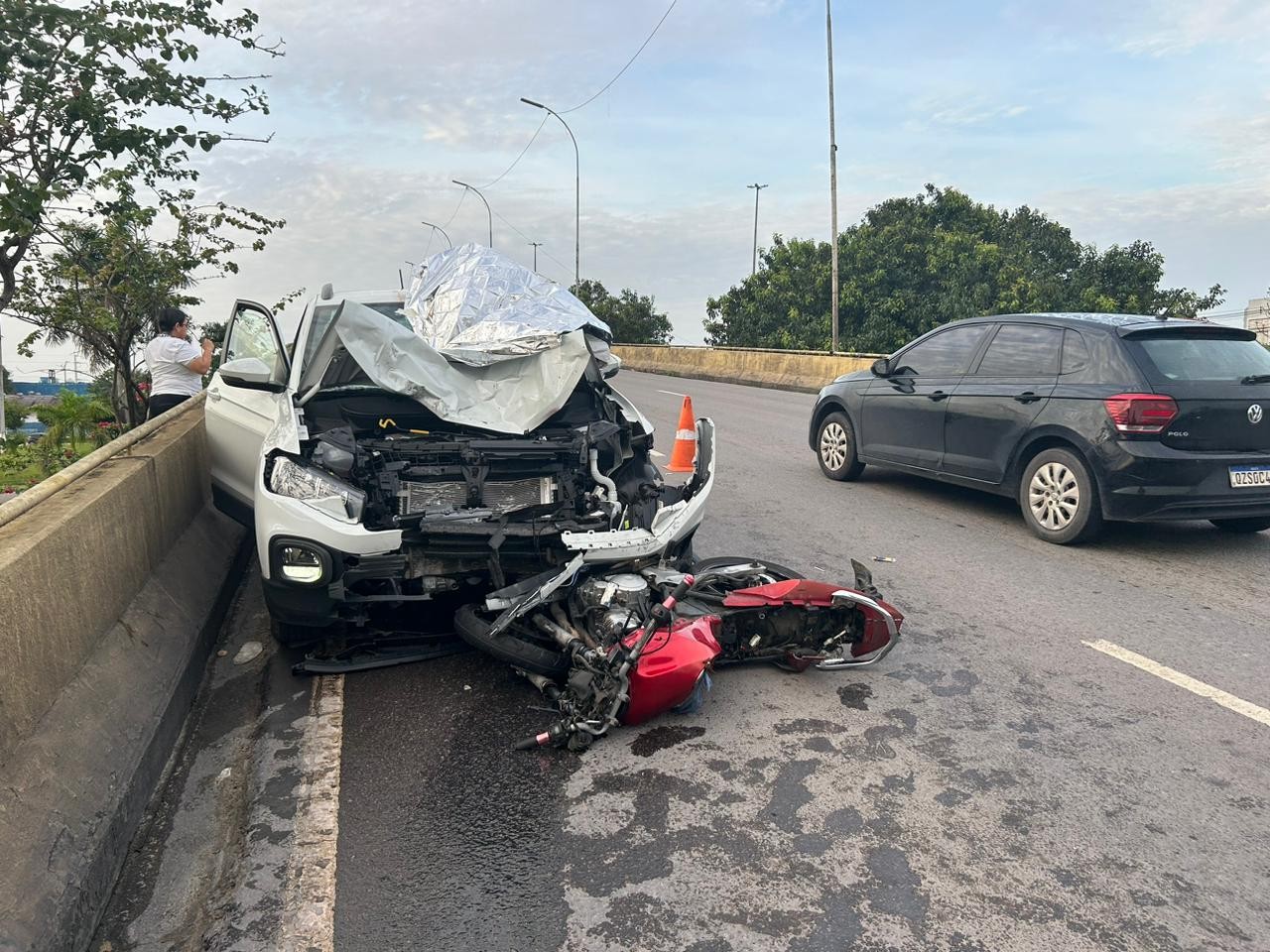
A court in Amazonas, Brazil, has ordered that the case against driver Fábio da Silva Moreira proceed to a jury trial. Moreira is accused of causing the death of a motorcycle taxi driver, Irivaldo Silva da Conceição, by driving the wrong way on a viaduct and colliding head-on with his motorcycle in April 2024. The Amazonas Public Prosecutor's Office (MPAM) requested the case be reclassified as intentional homicide, arguing Moreira knowingly risked causing a death. Judge Túlio de Oliveira Dorinho of the 1st Criminal Court of Manaus agreed, finding sufficient evidence to transfer the case to a specialized court for intentional crimes against life. Evidence cited includes witness and police reports suggesting Moreira was intoxicated, driving against traffic on Avenida Torquato Tapajós, and attempted to flee the scene. Although Moreira refused a breathalyzer test, the presence of alcohol in his vehicle and the circumstances of the crash support the charge of assuming the risk of causing death. The court referenced Supreme Federal Court and Superior Court of Justice precedents allowing traffic-related homicides to be tried by jury when drivers exhibit extreme recklessness, such as driving under the influence or against traffic. The case will now move to a jury trial court in Manaus, which will ultimately decide if Moreira faces a popular jury. The accident occurred on April 8, 2024, on the Flores Viaduct, where Moreira's Volkswagen T-Cross reportedly entered the wrong lane and struck Conceição's motorcycle. The impact threw Conceição from his bike and he was dragged over 100 meters, with his death confirmed at the scene. A passenger on the motorcycle, Cinthia Gonçalves Melo, sustained fractures and was hospitalized. Moreira and his female passenger were detained, and investigators reported Moreira attempted to bribe motorcycle taxi drivers with R$10,000 to allow his escape before police arrived.
This case highlights the critical intersection of traffic law, public safety, and criminal justice, particularly concerning impaired and reckless driving. The judicial decision to classify the incident as intentional homicide with eventual intent reflects a growing legal trend to hold drivers accountable for the foreseeable risks associated with extreme violations like drunk driving and wrong-way travel. This approach aims to deter dangerous behavior by signaling that such actions carry severe legal consequences, potentially equivalent to direct intent to harm. The analysis of witness accounts, physical evidence, and the driver's alleged actions, including an attempted bribe, provides a comprehensive basis for the prosecution's case. Moving forward, the jury's deliberation will weigh the evidence to determine if the defendant's actions demonstrated a conscious disregard for human life, aligning with the legal standard for intentional homicide. This case underscores the societal imperative to address the systemic factors contributing to traffic fatalities, including enforcement of DUI laws and infrastructure safety, to prevent future tragedies.
AI-generated to prompt reflection — not editorial opinion, not advice, not a statement of fact. How this works.