Manaus Event 'Amanhecer' Prompts Traffic Changes and Extra Buses
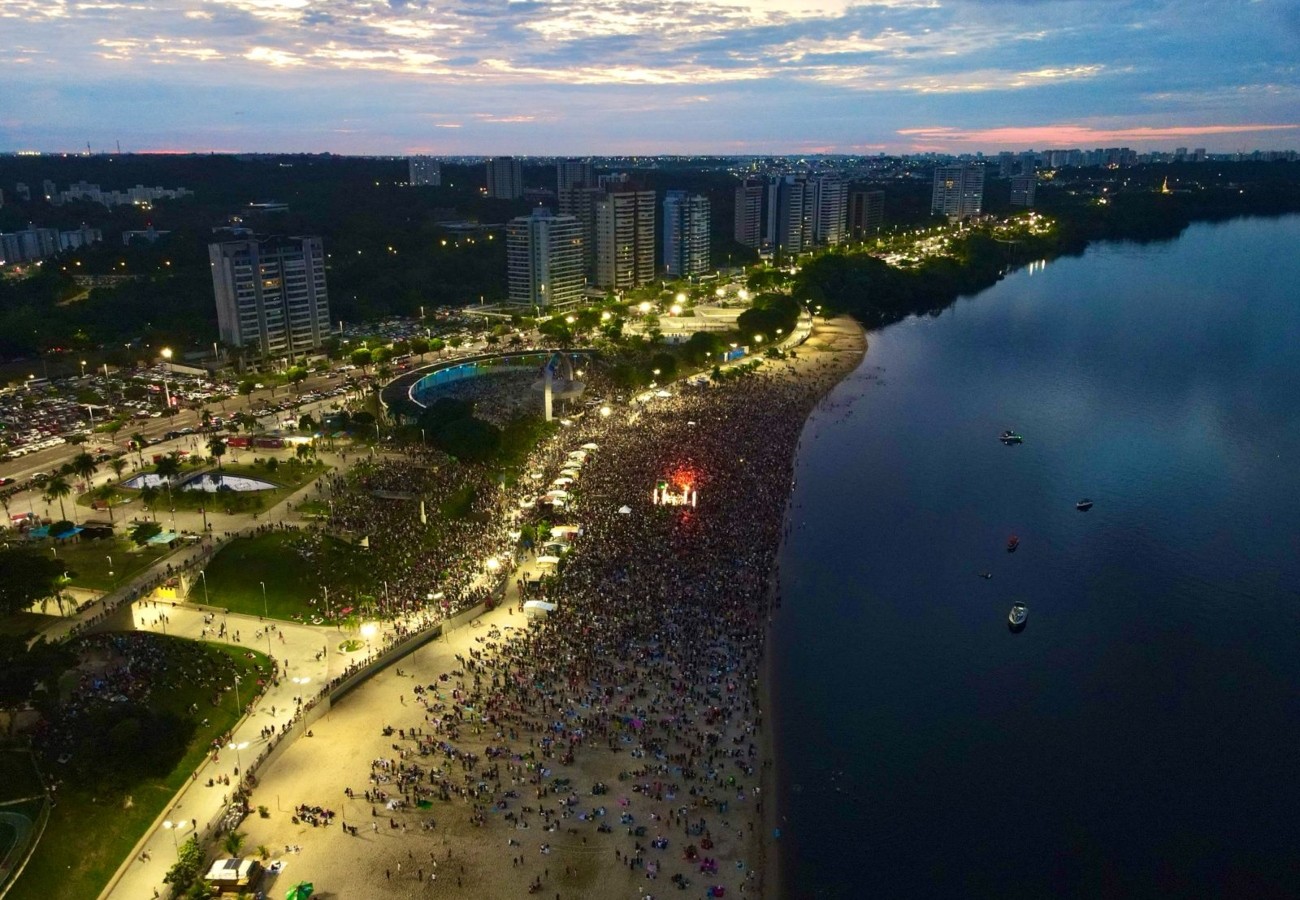
Manaus is preparing for the second edition of the Christian event 'Amanhecer Manaus,' scheduled for early Sunday, August 26th, starting at 4 AM on Ponta Negra Beach in the city's West Zone. The Municipal Institute of Urban Mobility (IMMU) is coordinating a special traffic and public transport operation to ensure the safety and mobility of thousands of expected attendees. The free event requires no registration and will feature Pastor Sérgio Busatto, founder of Surf House and the 'Desperta On a Mission' project. Traffic restrictions will begin gradually on Saturday, August 25th, at 5 PM, with a lane-release system to manage vehicle flow as pedestrian numbers increase. IMMU traffic agents and inspectors will be present throughout the event to direct traffic, guide drivers, manage intersections, and enforce parking regulations, prioritizing emergency and public transport vehicles. Caravan buses will have a separate plan, parking at the Alphaville complex after dropping off passengers at Ponta Negra and returning to pick them up post-event to avoid congestion. Public transport will be bolstered with 20 additional buses deployed across integration terminals (T2, T3, T4, T5, T7) from midnight until the event concludes. These buses will travel to Ponta Negra and return attendees to various city areas, with extended service for lines 120, 343, 450, 542, and 678. The city advises attendees to use public transport, obey signage, and follow agent instructions, while drivers should avoid illegal parking and plan their journeys due to expected heavy traffic.
This event highlights the intersection of religious gatherings and urban infrastructure management. The IMMU's proactive traffic and transport plan aims to balance public safety and convenience for attendees with the need to maintain general city mobility. The strategy of phased road closures and a dedicated bus system, including caravan management, reflects an effort to mitigate predictable congestion. The emphasis on public transport suggests a recognition of the environmental and logistical benefits of reducing private vehicle use during large-scale events. Future considerations might involve exploring dynamic traffic management systems that can adapt in real-time to crowd density and flow, further optimizing resource allocation and attendee experience while minimizing disruption to non-attendees.
AI-generated to prompt reflection — not editorial opinion, not advice, not a statement of fact. How this works.