Manaus Expands National ID Card Issuance to 12 Notary Offices
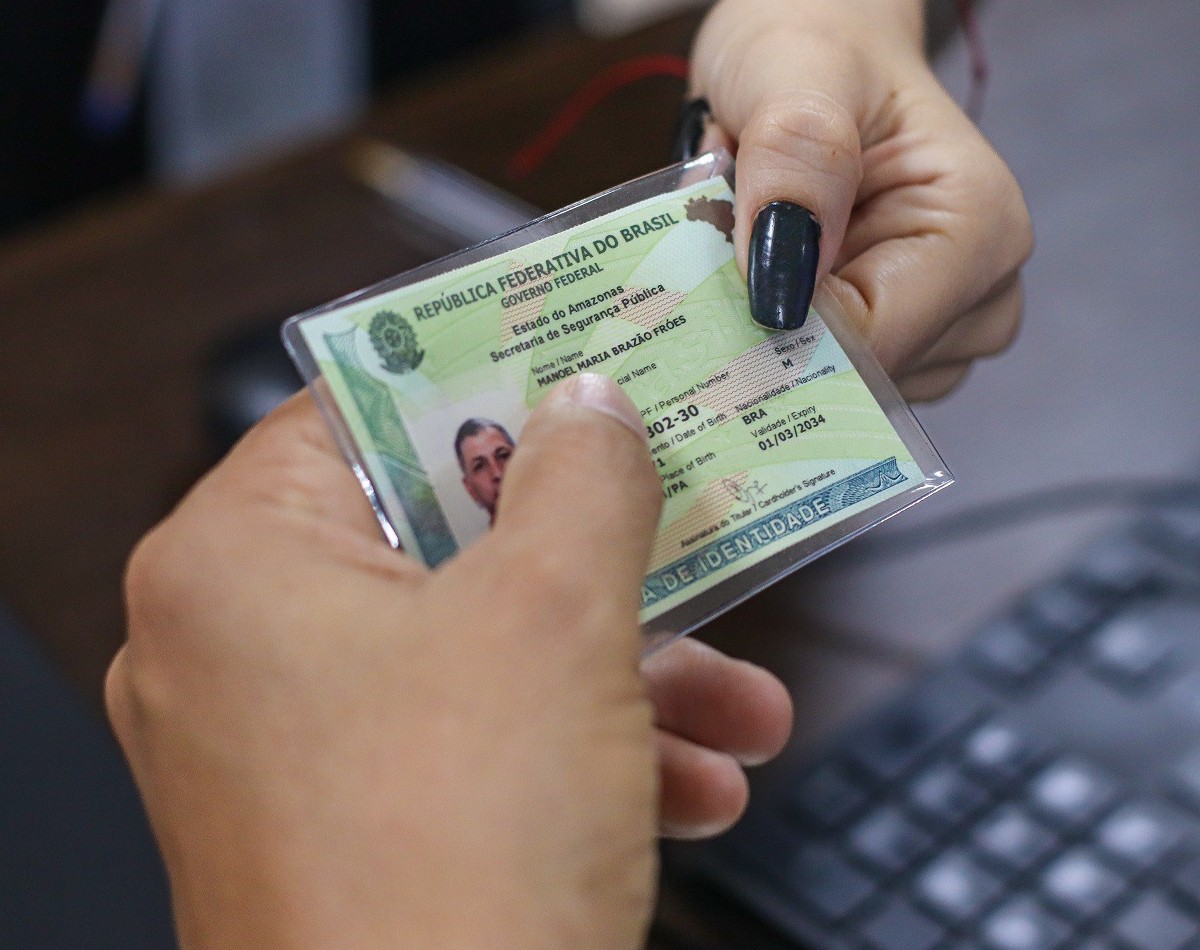
Starting Monday, February 13th, residents of Manaus, Amazonas, can obtain the new National Identity Card (CIN) at 12 notary offices across the capital. This initiative, part of the Citizenship Marathon organized by the Government of Amazonas, aims to increase accessibility and reduce wait times for the document. Unlike government service points, the CIN issuance at these notary offices will incur a fee, with prices ranging from R$165 to R$307, depending on the document model. The participating notary offices are located in various neighborhoods, including Centro, Crespo, São Raimundo, Compensa, Dom Pedro, Colônia Santo Antônio, São José Operário, Adrianópolis, Cachoeirinha, Chapada, and Parque 10 de Novembro. This pilot project, unprecedented in Amazonas, is expected to expand to other notary offices in Manaus and eventually to municipalities in the interior after its initial phase. Notary offices will operate on a first-come, first-served basis or by appointment, and citizens are advised to confirm the procedure directly with their chosen office. Required documents include an updated birth or marriage certificate, proof of residence, CPF, and any previous identity document. The Instituto de Identificação Aderson Conceição de Melo remains responsible for security and information verification, while the notary offices will handle fingerprinting, photography, and document submission for federal validation before issuing the CIN. Notary staff have undergone specific training for this service, organized by the Corregedoria-Geral de Justiça do Amazonas and the Associação dos Notários e Registradores do Estado.
The expansion of National Identity Card (CIN) issuance to private notary offices in Manaus represents a public-private partnership model aimed at enhancing service delivery. While this approach can potentially increase convenience and reduce government backlogs, it introduces a tiered access system where citizens must pay fees for services previously offered by the state at no direct cost. This raises questions about equitable access to essential identification documents, particularly for lower-income populations. The success of this model hinges on its ability to maintain data security and integrity, as private entities handle sensitive personal information and biometric data. Future considerations should include evaluating the long-term impact on public service costs, the potential for further privatization of state functions, and ensuring that the digital identity infrastructure remains robust and accessible to all citizens, regardless of their ability to pay.
AI-generated to prompt reflection — not editorial opinion, not advice, not a statement of fact. How this works.