Manaus Factory Fined Nearly $10 Million for Toxic Gas Leak
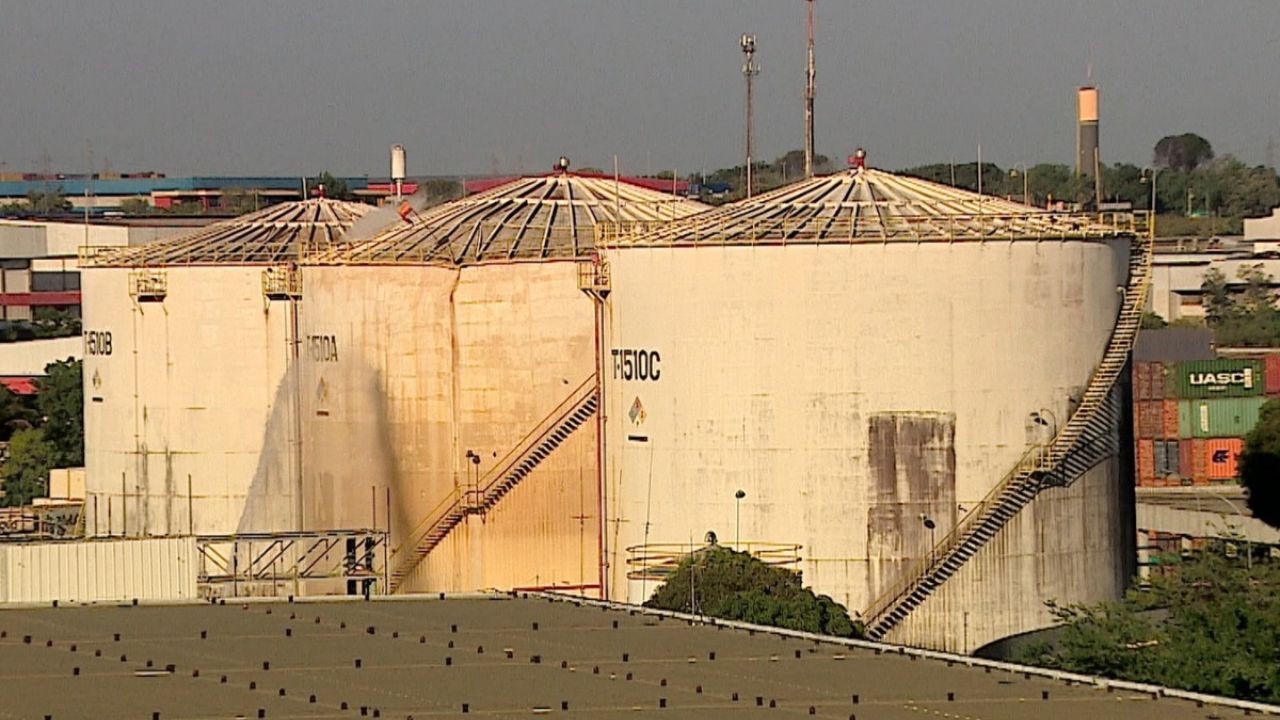
A toxic styrene monomer gas leak at the Innova factory in Manaus, Brazil, has resulted in significant fines for the company. Thermal imaging drones, deployed by a task force from the Manaus prefecture, identified fissures in a storage tank that was operating at temperatures between 70°C and 74°C, far exceeding the recommended storage temperature of up to 29°C. The leak, which occurred on Wednesday, prompted the immediate evacuation of a nearby shopping mall due to the strong chemical odor. Firefighters have been working to cool the affected tank to prevent further risks, with the primary hypothesis being a spontaneous reaction within the storage structure. The State Department of Health reported 211 medical atendments related to the incident, with one patient remaining in intensive care and one fatality, though the deceased had a pre-existing respiratory condition unrelated to the leak. The prefecture has levied fines totaling R$9,901,600 (approximately $1.9 million USD), with R$5,347,300 for soil and water pollution and R$4,554,300 for air pollution. These funds will be directed to the Municipal Fund for Development and Environment. Styrene monomer is a toxic chemical used in the production of plastics and rubber, and its gaseous form can spread easily and cause respiratory and neurological symptoms.
The incident highlights critical vulnerabilities in industrial safety protocols for storing volatile chemicals. The use of thermal imaging drones by municipal authorities demonstrates an evolving approach to environmental monitoring and enforcement, enabling rapid identification of physical defects like tank fissures. The substantial fines levied underscore the financial and reputational risks companies face when safety standards are compromised, particularly concerning toxic substances. Moving forward, a systemic focus on predictive maintenance, advanced leak detection technologies, and robust emergency response planning will be crucial for preventing similar events and ensuring public safety in industrial zones. This incident also raises questions about the adequacy of regulatory oversight and the need for continuous improvement in industrial risk management to align with the increasing complexities of chemical storage and handling in a rapidly developing economy.
AI-generated to prompt reflection — not editorial opinion, not advice, not a statement of fact. How this works.