Manaus Gas Leak: Innova Fined Over R$5.3 Million After Drone Detects Tank Crack
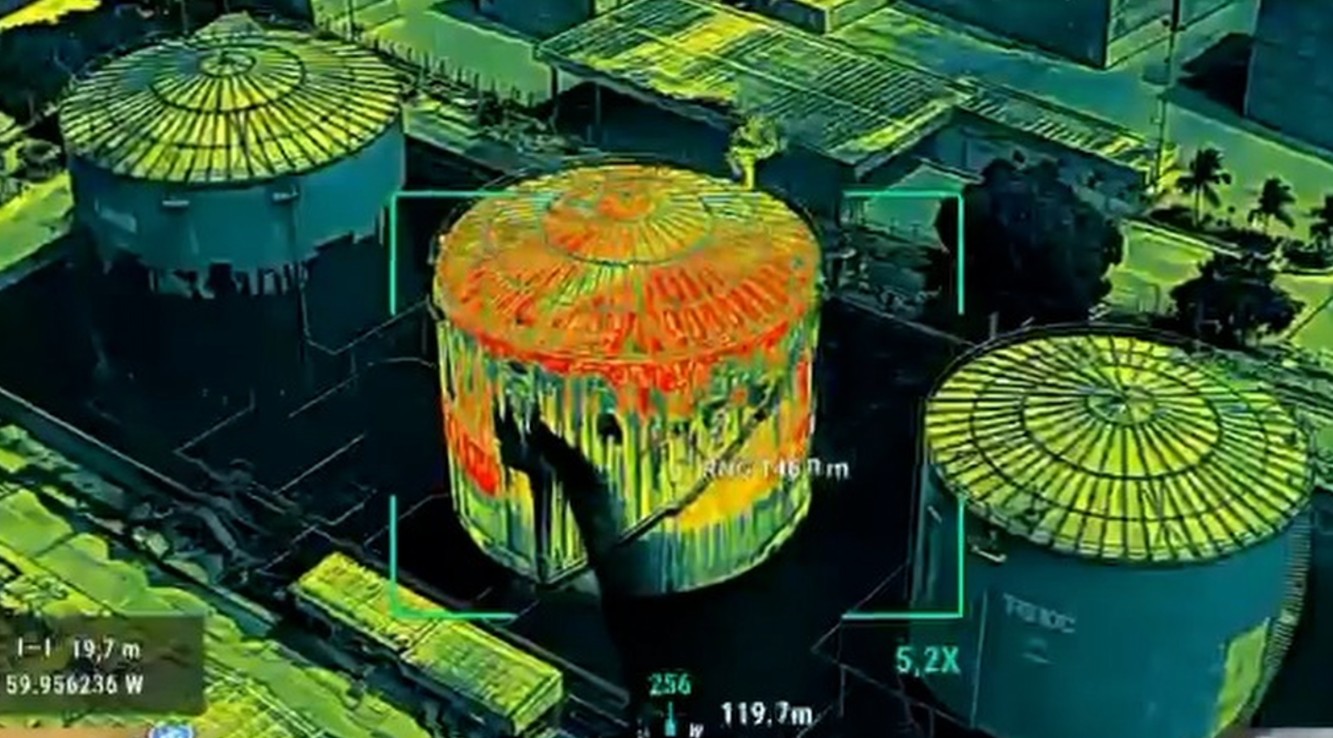
The company Innova has been issued a new fine of over R$5.3 million by the Manaus Prefecture following a toxic gas leak of styrene monomer. The fine was imposed after the Municipal Secretariat of Environment and Sustainability (Semmas) used thermal imaging drones to identify cracks in a storage tank and confirm the ongoing leak. This brings the total fines against Innova to nearly R$10 million. The initial leak occurred on Wednesday, May 15th, at 5:36 PM, when the styrene monomer stored in the tank experienced an abnormal temperature increase. Styrene is used in the production of plastics and synthetic rubbers and can cause irritation to the eyes, nose, and throat, as well as headaches, dizziness, and nausea upon inhalation. The latest fine, equivalent to R$5,347,300, was for soil and water body pollution. A previous fine of R$4,554,300 was issued on Thursday, May 16th, for air pollution. Funds from these fines will support the Municipal Fund for Development and Environment. Firefighters continue to work on cooling the tanks, and as of Friday, May 17th, 211 patients had been treated for symptoms including shortness of breath and nausea, with one patient remaining hospitalized. A 67-year-old man with a history of chronic respiratory disease sought treatment and passed away, though a direct link to the leak was not confirmed. The incident involved a spontaneous reaction within the tank, causing a significant temperature rise and the release of vapors through safety valves, preventing a potential explosion or fire. Innova stated that emergency protocols were followed and that the material is being treated, with most of the tank's contents now polymerized.
The Manaus gas leak incident highlights critical infrastructure safety and environmental oversight challenges. The detection of cracks via drone technology demonstrates an evolving capacity for real-time environmental monitoring. However, the repeated imposition of substantial fines suggests ongoing systemic issues in preventing such hazardous releases. Future regulatory frameworks may need to incentivize proactive, predictive maintenance and advanced leak detection technologies, moving beyond reactive penalties. The long-term health and environmental impacts, even after containment, warrant continued scrutiny and public health monitoring to ensure community well-being and ecological recovery.
AI-generated to prompt reflection — not editorial opinion, not advice, not a statement of fact. How this works.