Manaus Implements Traffic Flow Changes in União Neighborhood Starting Saturday, May 18
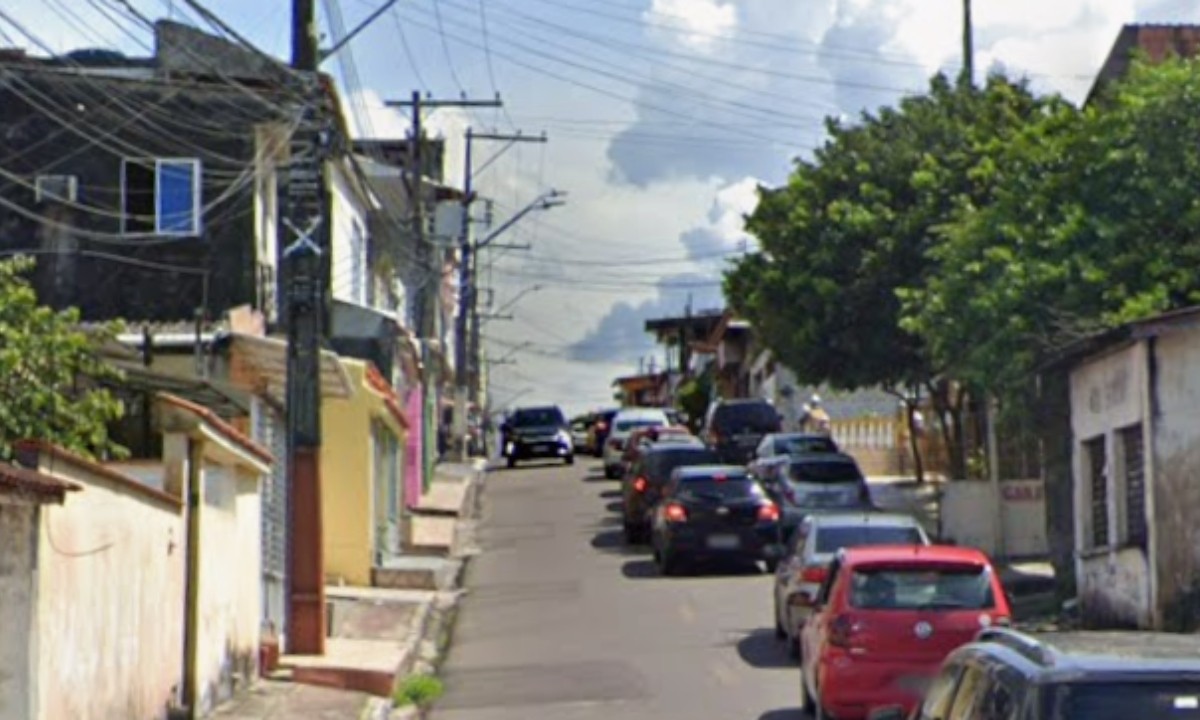
Manaus, Brazil – The Municipality of Manaus has introduced a new traffic circulation system in the União neighborhood, located in the South-Central Zone of the capital, effective Saturday, May 18. The changes, managed by the Municipal Institute of Urban Mobility (IMMU), alter the traffic flow on Desembargador Gaspar Guimarães and 2 de Agosto streets. The primary goals are to enhance traffic fluidity, organize vehicle movements, and improve safety for both drivers and pedestrians. These adjustments are designed to reduce conflicts at intersections and streamline turns. Specifically, Desembargador Gaspar Guimarães street will now have two-way traffic between Djalma Batista Avenue and 2 de Agosto street. However, the section between 2 de Agosto street and 45 street, leading to Ivanete Machado Avenue, will become one-way towards the Parque 10 de Novembro neighborhood. For drivers heading from the União neighborhood to Djalma Batista Avenue, the new route involves using Maria Amélia da Silva street and then Zulma de Azevedo street, which is now one-way until Pedro Dias Lemos street. From there, drivers will turn onto 2 de Agosto street, also now one-way between Pedro Dias Lemos street and Djalma Batista Avenue, directing traffic to the avenue. Motorists traveling from the Parque 10 de Novembro neighborhood to Djalma Batista Avenue via União will follow a similar revised route, accessing Maria Amélia da Silva street and proceeding along the one-way Zulma de Azevedo street to Pedro Dias Lemos street, then turning right onto 2 de Agosto street.
The IMMU's traffic flow modifications in Manaus's União neighborhood reflect a common urban planning strategy to optimize traffic efficiency and safety. By reconfiguring street directions, the municipality aims to mitigate congestion and reduce accident potential at key intersections. This approach is consistent with smart city initiatives that leverage data and infrastructure adjustments to improve urban mobility. The long-term success of these changes will depend on public adoption, ongoing monitoring of traffic patterns, and the potential for adaptive adjustments as the neighborhood's transportation needs evolve within the broader context of Manaus's growth. Evaluating the impact on local businesses and residential access will be crucial for a comprehensive assessment.
AI-generated to prompt reflection — not editorial opinion, not advice, not a statement of fact. How this works.