Manaus Industrial District: Experts Investigate Gas Leak at Innova Plant
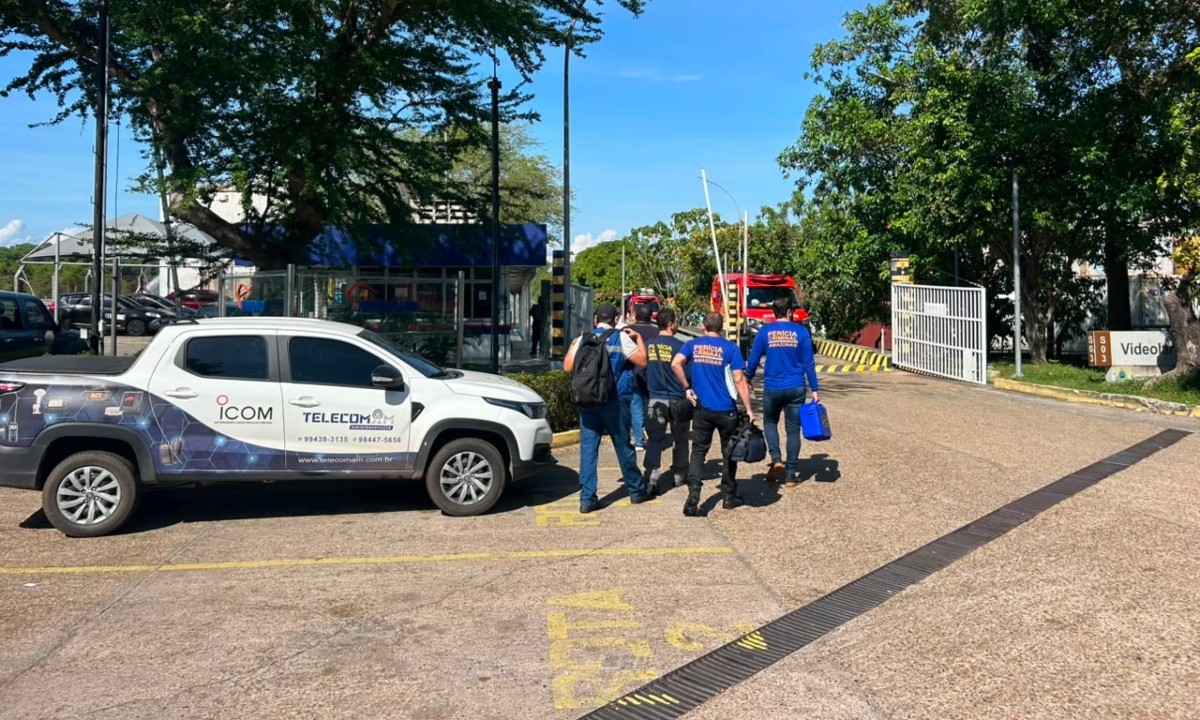
Forensic experts from Amazonas have begun investigating a toxic styrene monomer gas leak at the Innova company's Unit 4 in Manaus's Industrial District. The leak occurred last Wednesday, April 15th, at 5:36 PM, when a storage tank experienced an abnormal temperature increase. The company declared it a 'chemical emergency.' The investigation, led by the Civil Police of Amazonas, aims to determine the causes and circumstances of the incident. Initial steps involve preliminary area assessments and the use of drones for image capture and information gathering. The forensic report has no set completion deadline, as it depends on the volume of data and evidence to be analyzed. The Civil Police have opened a formal inquiry, but are withholding further details to avoid compromising the investigation. The Fire Department announced on Sunday, April 20th, that the leak has been contained, with no residual styrene gas detected in the surrounding areas, including nearby schools and businesses. Despite containment, firefighters will continue cooling the affected tank, and the process of removing stored product and deactivating the structure could take months. A committee comprising state agencies, Suframa, and Crea-AM has authorized the resumption of activities in the Industrial Pole, state schools, and public services starting Monday, April 20th. However, residents near the Innova plant have expressed concerns about a lack of prior guidance on chemical accident procedures. One resident reported experiencing symptoms consistent with styrene monomer exposure, including nausea, sore throat, headache, and eye irritation, shortly after the incident.
The incident at the Innova plant highlights critical systemic issues in industrial safety and community preparedness. While the prompt containment of the styrene monomer leak is a positive outcome, the investigation into its cause is paramount to prevent recurrence. The reported lack of prior community guidance on chemical emergencies underscores a potential governance gap in risk communication and public education for industrial zones. Future considerations should include robust, proactive emergency response planning that integrates local populations, ensuring clear protocols and accessible information. Analyzing the incentive structures for companies to prioritize safety beyond regulatory minimums, and the effectiveness of oversight bodies like Suframa and Crea-AM, will be key to fostering a more resilient industrial ecosystem in Manaus and similar regions.
AI-generated to prompt reflection — not editorial opinion, not advice, not a statement of fact. How this works.