Manaus Industrial District: Firefighters Battle Styrene Leak After 14 Hours
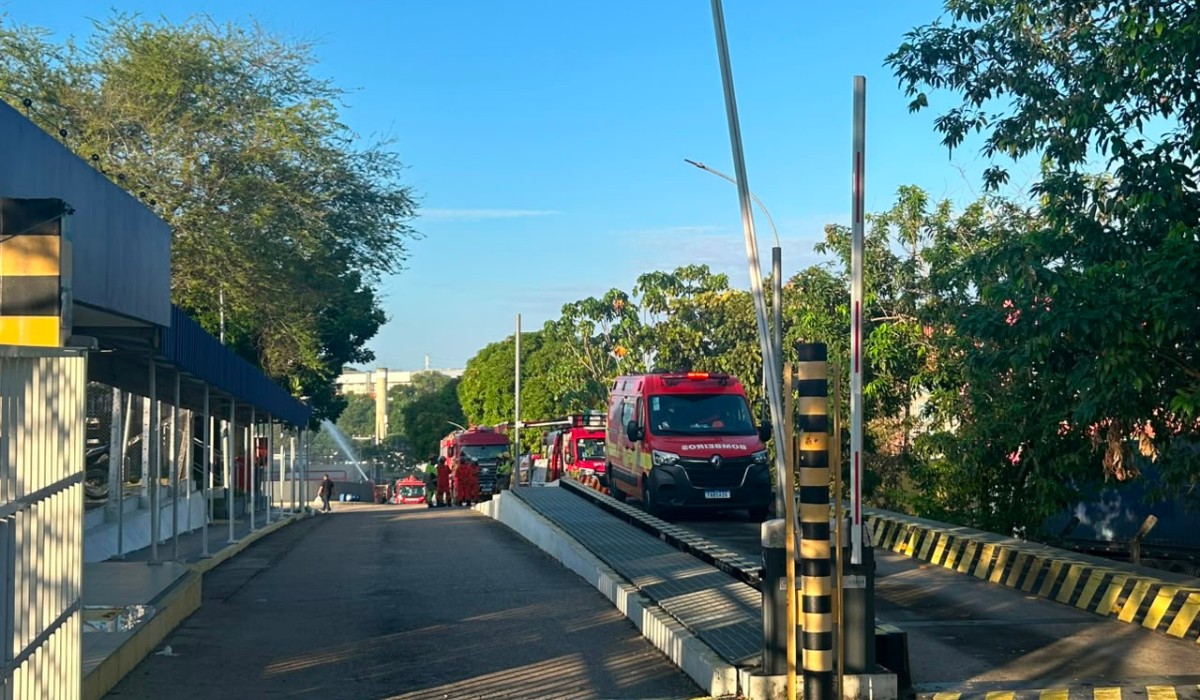
Firefighters continue to cool tanks more than 14 hours after a styrene leak began at a factory in Manaus's Industrial District. The incident started around 5:20 PM on Wednesday, May 15th, at a storage tank belonging to the company Innova. The company stated that an abnormal temperature increase in the styrene monomer caused vapors to be released through safety devices, and the tank's safety system was activated to prevent an explosion. Although the leak was confined to one tank, firefighters are cooling all three as a precaution. Military personnel specializing in biosafety and hazardous materials are on-site to manage the temperature and prevent further incidents. Videos circulating online show a dense white smoke cloud emanating from the tanks, alarming workers at the facility and nearby companies. The strong odor of styrene was still noticeable on Thursday morning, May 16th, leading some nearby businesses to release their employees. The Superintendence of the Manaus Free Trade Zone (Suframa) is monitoring the situation and has requested detailed information from Innova regarding containment measures and potential impacts. The State Health Secretariat of Amazonas (SES-AM) reported that 16 people sought medical attention for stable conditions after exposure, advising anyone experiencing symptoms like irritation, headache, or respiratory issues to seek medical evaluation. Styrene, a chemical used in plastic and rubber manufacturing, evaporates easily when heated and can cause various health issues, including respiratory irritation and dizziness, with higher concentrations posing more severe risks.
This incident highlights the critical importance of robust industrial safety protocols and emergency response systems for hazardous materials. The rapid cooling of storage tanks by the Amazonas Military Fire Department demonstrates an effective immediate response to mitigate vapor release and prevent escalation. However, the event also raises questions about the initial temperature monitoring and control mechanisms within Innova's storage facilities. The involvement of multiple agencies, including Suframa and the State Health Secretariat, underscores the interconnectedness of industrial operations with public health and environmental safety. Moving forward, a thorough investigation into the root cause of the temperature anomaly is essential to prevent recurrence, focusing on predictive maintenance, sensor reliability, and emergency shutdown procedures. The long-term implications for worker health and environmental impact require ongoing monitoring and transparent reporting by the company and regulatory bodies, fostering trust and ensuring accountability in the region's industrial sector.
AI-generated to prompt reflection — not editorial opinion, not advice, not a statement of fact. How this works.