Manaus Industrial District Gas Leak Contained After Three Days, Health Impacts Under Review
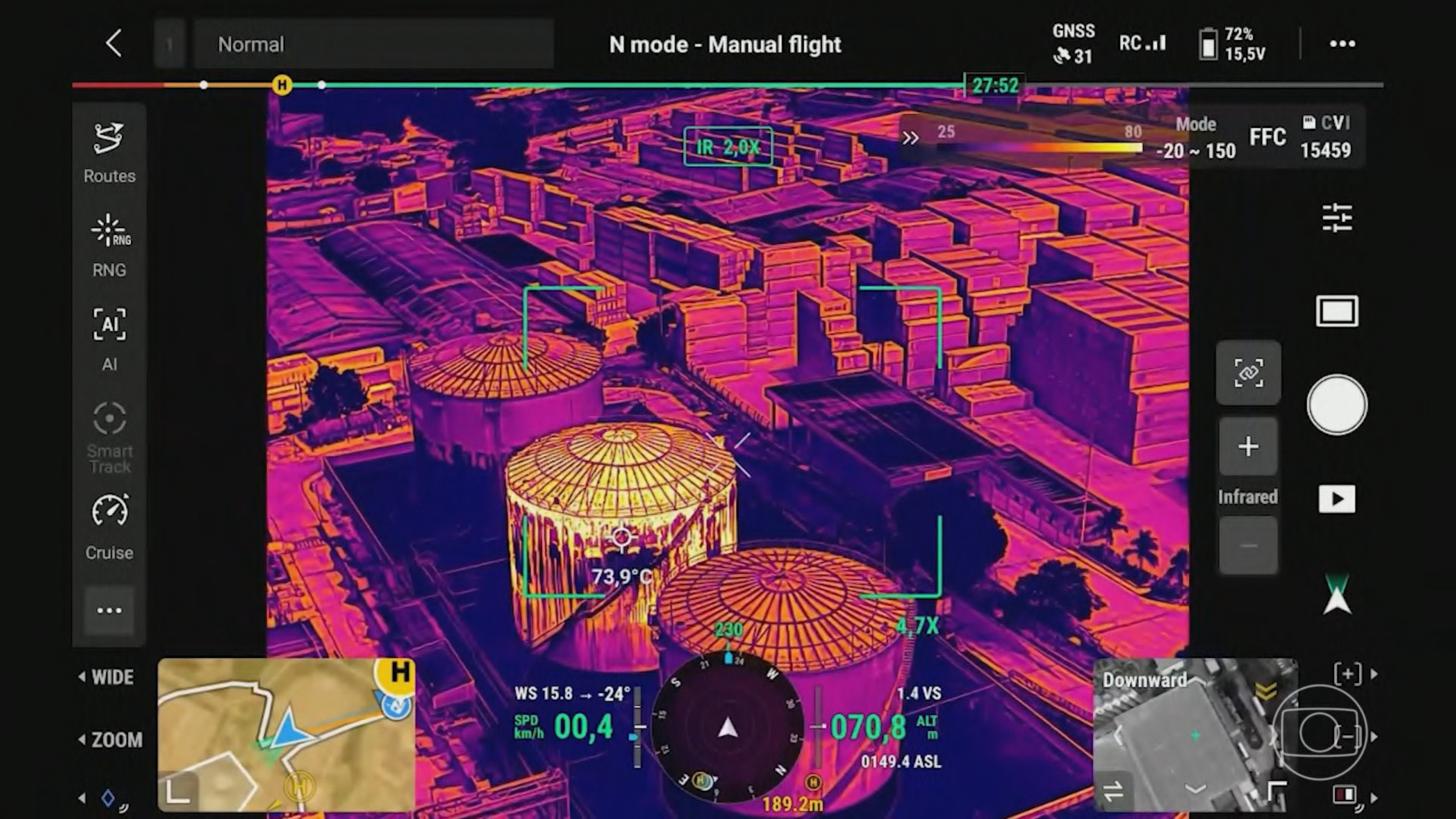
Emergency services, including firefighters and health agents, have been working for three days to contain a significant gas leak at the Industrial District in Manaus, Brazil. The affected tank stores liquid styrene, a substance crucial for the petrochemical industry in the production of plastics, resins, and rubber. While the Civil Defense initially assessed the health risk to the public as low, the situation has led to hospitalizations, with over 200 individuals reporting to health units experiencing symptoms such as dizziness, nausea, shortness of breath, and fainting due to the strong odor. The exact volume of material released into the atmosphere over the more than 48 hours of the leak remains unknown. Efforts to control the leak have focused on external cooling and internal temperature monitoring of the tank. The company responsible, Innova, stated that the controlled release of vapors was due to safety devices designed to protect the equipment and mitigate greater impacts, adding that approximately 80% of the emitted material is water vapor. Thermal imaging by the Manaus City Hall revealed fissures at the top and base of the tank, leading to the company's interdiction. The Public Prosecutor's Office of Amazonas has initiated an investigation into the causes of the incident, and further analysis is pending before circulation can be fully restored around the affected industrial area.
The prolonged three-day containment effort for the styrene leak highlights potential vulnerabilities in industrial safety protocols and emergency response coordination. While the company attributes the release to safety mechanisms, the significant number of individuals seeking medical attention underscores the need for a comprehensive review of risk assessment and public communication strategies. The interdiction of the facility and the ongoing investigation by the Public Prosecutor's Office indicate a systemic failure to prevent or rapidly mitigate the incident. Looking ahead, the incident prompts consideration of advanced sensor technologies for early leak detection, more robust containment infrastructure, and improved community alert systems, particularly in densely populated industrial zones. The long-term environmental and health impacts, even from residual emissions, warrant continued monitoring and transparent reporting to ensure public trust and safety.
AI-generated to prompt reflection — not editorial opinion, not advice, not a statement of fact. How this works.