Manaus Industrial Hub Eyes Electric Vehicle Component Production
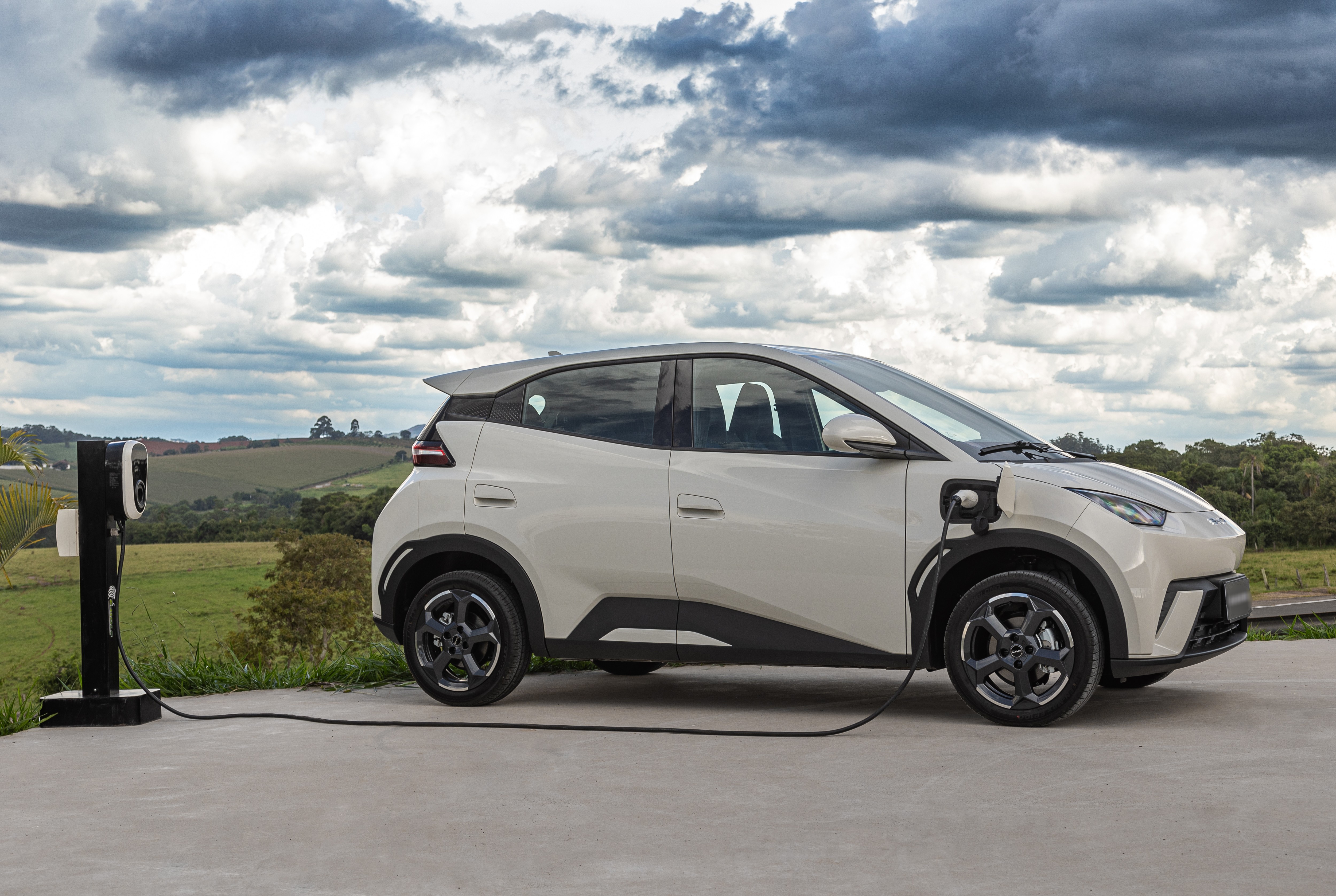
The Amazon region's Manaus Industrial Pole (PIM) is exploring opportunities beyond being a mere consumer market for electric and hybrid vehicles, aiming to become a significant player in their production chain. While electric vehicles were once a distant concept in the Amazon, they are now increasingly common in Manaus, used by individuals and ride-sharing drivers seeking to reduce fuel costs. Sales of electrified light vehicles in Amazonas surged by approximately 524% between 2022 and 2025, reaching 2,863 units. Nationally, 215,023 electrified light vehicles were registered in the first half of 2026, a 125% increase year-over-year, representing 18.3% of all light vehicles sold in Brazil in June. This growth is driven by more model availability, new brands, expanding charging infrastructure, and lower operating costs. The PIM's existing industrial strengths in electro-electronics, IT, electronic components, cables, connectors, thermoplastics, batteries, and motorcycles offer a competitive advantage for producing components and systems for the electric mobility sector, rather than competing solely in vehicle assembly. Companies like NeoPower are expanding charging infrastructure, creating demand for specialized installation and maintenance services. Livoltek has opened a factory in PIM, initially producing inverters for solar systems, with plans to integrate electric vehicle chargers and lithium batteries, and is developing electric boat motors. BYD Indústria de Baterias is already producing accumulator modules for electric buses in Manaus, demonstrating PIM's participation in the electric mobility supply chain. Many other PIM manufacturers with expertise in electronic boards, cables, connectors, plastics, power supplies, and automation systems possess compatible capabilities. Research institutions like INDT further support potential growth in areas such as embedded software and power electronics. The PIM's potential extends to electric bicycles, electric boat motors, and hybrid systems for regional transport, alongside new services in charger installation, high-voltage system maintenance, and battery recycling, all requiring specialized professionals. The primary challenge for the PIM is to leverage its established expertise in electronics, energy, connectivity, and advanced manufacturing into new electric mobility businesses, potentially supplying high-value components and technologies for Brazil's growing electric vehicle market.
The increasing adoption of electric vehicles presents a strategic inflection point for industrial hubs like the Manaus Industrial Pole (PIM). While the region possesses established competencies in electro-electronics and related sectors, its successful integration into the electric vehicle supply chain will depend on its ability to adapt and innovate. The PIM's existing manufacturing base offers a foundation for producing components, but it must navigate challenges related to scaling production, meeting stringent automotive certifications, and ensuring cost competitiveness against global suppliers. The opportunity lies not just in assembly but in capturing higher value-added segments such as power electronics, battery management systems, and charging infrastructure components. Future success will likely hinge on fostering stronger collaborations between industry, research institutions, and government policy to drive technological development and attract further investment, ensuring the PIM can transition from a traditional manufacturing zone to a key contributor in the burgeoning electric mobility ecosystem.
AI-generated to prompt reflection — not editorial opinion, not advice, not a statement of fact. How this works.