Manaus Industrial Hub Faces Global Trade Shifts Amid Rising Imports and New Tariffs
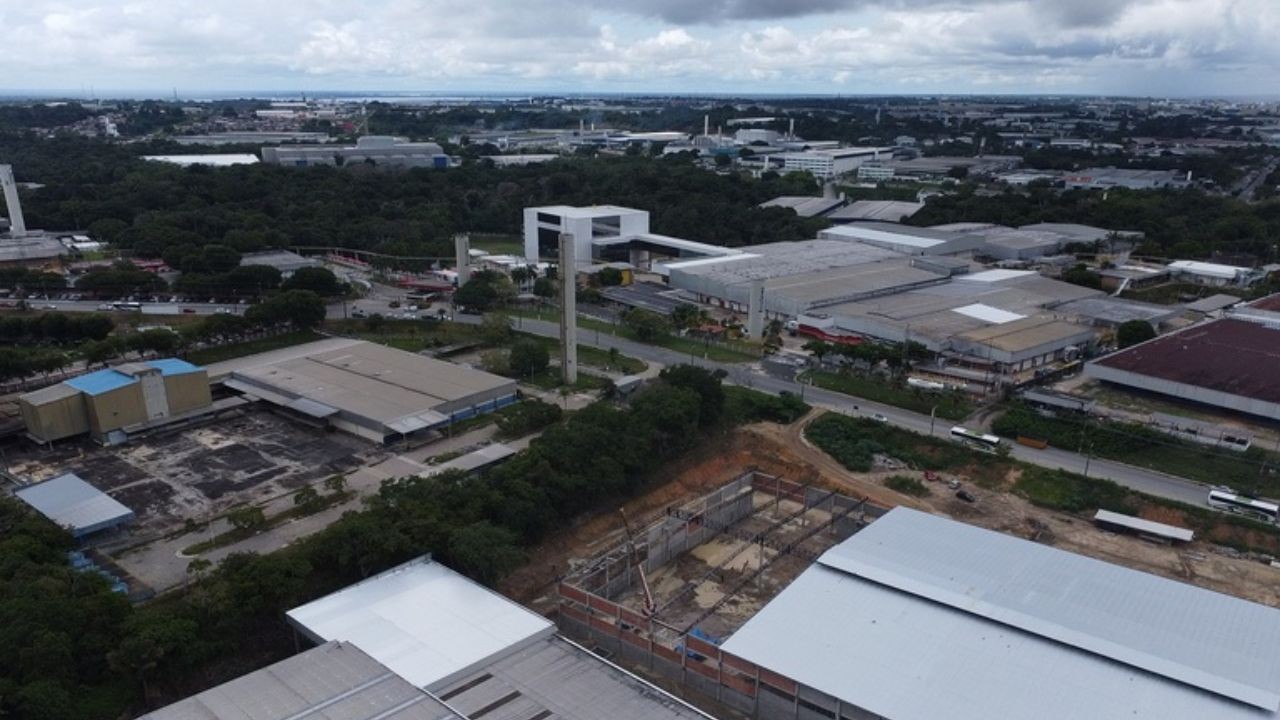
The Manaus Industrial Hub (PIM) saw a 9.2% increase in input imports in May, signaling potential expansion in industrial activity. This positive domestic trend is occurring alongside new U.S. tariffs of 25% on many Brazilian products, reigniting global trade protectionism discussions. While the PIM's production primarily serves the domestic market, with R$99.6 billion in revenue from January to May 2026 and exports forming a small portion, its reliance on imported components for manufacturing electronics, motorcycles, and appliances means it's not entirely immune to international trade shifts. These global changes can impact industrial costs, component availability, logistics, exchange rates, and investment decisions. The PIM's integration into global supply chains, evidenced by its import growth, highlights its vulnerability to disruptions beyond direct export impacts. The article suggests that while the PIM's domestic focus initially mitigates direct exposure to U.S. tariffs, the broader international context necessitates a strategic response. The current situation prompts a reflection on industrial competitiveness, emphasizing the need to increase value addition, support national suppliers, and foster engineering and R&D. As global trade becomes more fragmented and protectionist, the PIM must adapt by enhancing its technological content, innovation capacity, and integration into global value chains. The challenge for the Manaus Industrial Hub is to maintain its relevance in a dynamic, technologically driven global economy subject to evolving international trade regulations.
The Manaus Industrial Hub's situation illustrates a common dilemma for manufacturing centers integrated into global supply chains. While domestic demand offers a buffer against direct export tariffs, the underlying reliance on imported components exposes the hub to indirect cost increases and supply chain volatility. This dynamic highlights the tension between national industrial policy objectives and the realities of globalized production networks. As international trade policies shift towards protectionism, nations and industrial zones like Manaus face a strategic imperative to balance immediate economic needs with long-term resilience. This involves not only navigating external trade barriers but also fostering domestic innovation and value-added activities to reduce reliance on foreign inputs and enhance competitiveness in a rapidly evolving technological landscape. The future success of such hubs will likely depend on their ability to adapt to these systemic shifts, embracing technological advancement and diversifying their integration within global value chains to mitigate risks and capitalize on emerging opportunities.
AI-generated to prompt reflection — not editorial opinion, not advice, not a statement of fact. How this works.