Manaus Mobile Women's Health Unit Relocates in West Zone; Other Locations Confirmed
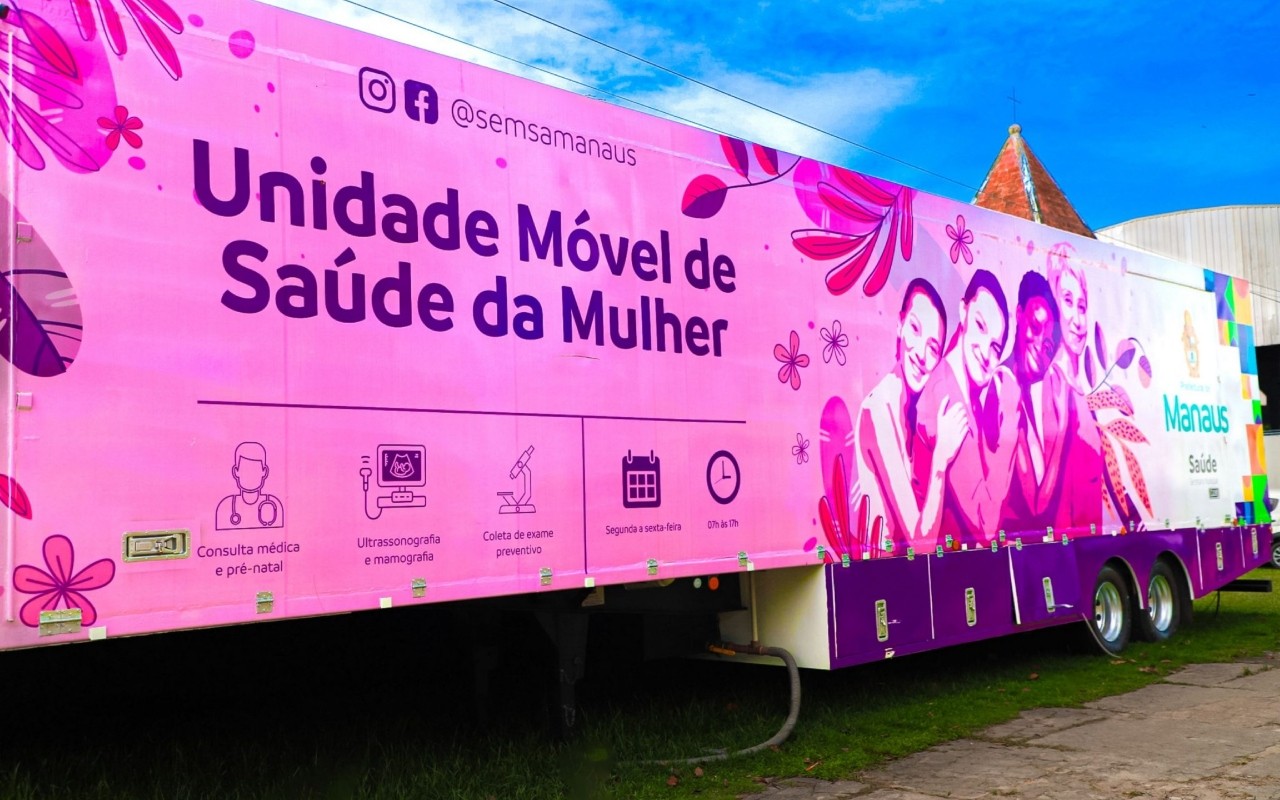
The Mobile Women's Health Unit serving the West Zone of Manaus has relocated to a new address as of Monday, February 27th. The unit is now located at Rua do Campo, nº 290, in the Santo Agostinho neighborhood, adjacent to Agnelo Bittencourt State School. Services are available Monday through Friday, from 7 AM to 5 PM, including on public holidays. In the North Zone, the service continues at Rua Lírios das Pedras, nº 216-200, in the Cidade de Deus neighborhood, near the Coema supermarket. The East Zone unit will operate at Avenida Autaz Mirim, in the Jorge Teixeira neighborhood, near Monte Sião field, until July 31st. In the South Zone, services are provided at Rua Beta, nº 19, in the Mundo Novo community, Flores neighborhood, opposite Professor Nilton Lins Municipal School. For rural areas, the service is available on BR-174, km 21, at Ramal da Cooperativa, near the Pau-Rosa Rural Family Health Unit. These mobile units, managed by the Municipal Health Secretariat (Semsa), have been operating for three years to improve women's access to consultations and examinations. Their primary goal is to facilitate early diagnosis and screening for breast and cervical cancer. Each unit is staffed by a full team offering Primary Health Care services, including medical and nursing consultations, initial prenatal care, mammography, Pap smears, ultrasounds, rapid pregnancy tests, sexually transmitted infection (STI) testing, family planning, and medication distribution.
This relocation of a mobile health unit highlights the dynamic logistical challenges in providing consistent healthcare access, particularly for specialized services like women's health screening. The initiative, aimed at early cancer detection and broader reproductive health services, underscores a public health strategy to overcome geographical barriers and improve preventative care uptake. The consistent operation across multiple zones and rural areas, despite the need for address changes, demonstrates a commitment to reaching underserved populations. Future considerations for such mobile units might involve integrating real-time location tracking and digital appointment systems to further enhance accessibility and reduce missed appointments, especially as urban and rural landscapes evolve.
AI-generated to prompt reflection — not editorial opinion, not advice, not a statement of fact. How this works.