Manaus Mobile Women's Health Units Relocate for Expanded Access
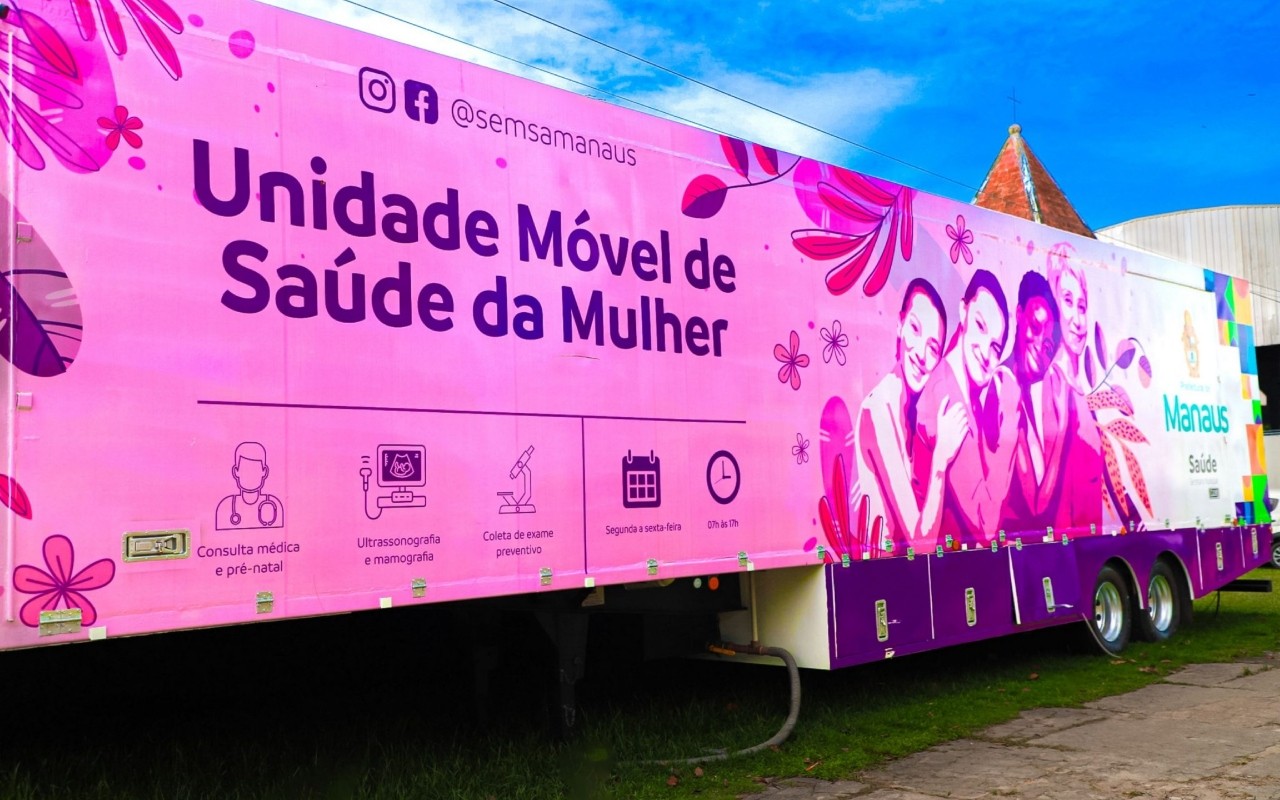
Four of Manaus's five Mobile Women's Health Units have relocated to new addresses starting Monday, August 3rd. These changes affect the North, East, South, and Rural zones of the capital, while the West Zone unit remains in its original location. The initiative aims to broaden women's access to consultations, examinations, and preventive health services. The mobile units operate from Monday to Friday, 7 AM to 5 PM, even on municipal holidays. Services provided include primary healthcare, such as medical and nursing consultations, initial prenatal care, mammograms, Pap smears, ultrasounds, rapid tests for pregnancy and sexually transmitted infections (STIs), family planning, and medication dispensing. The North Zone unit is now at Condomínio Manauara 2, Rua Maria Olinda Trentini Cruz, Santa Etelvina, until August 14th. The East Zone unit is located at Rua dos Açaizeiros, nº 802, São José Operário, at Cime Artur Virgílio do Carmo Ribeiro Filho, also until August 14th. In the South Zone, the unit is at Praça Molhada do Cajual, Alameda São Benedito, s/nº, Morro da Liberdade, until August 21st. The Rural Zone unit is at Marina do Davi, Avenida Coronel Teixeira, s/nº, Ponta Negra, also until August 21st. The West Zone unit continues its services at Rua do Campo, nº 290, Santo Agostinho, at Escola Estadual Agnelo Bittencourt, until August 7th.
The relocation of Manaus's mobile women's health units signifies a strategic effort to enhance service accessibility and reach within the municipality. By shifting locations, the program aims to overcome geographical barriers and ensure more women can utilize essential primary healthcare and preventive services. This approach reflects a dynamic model of public health delivery, adapting to community needs. The temporary nature of these mobile sites, with specific end dates for each location, suggests a need for continuous evaluation of their effectiveness and potential for permanent infrastructure development. Future planning could explore optimizing the rotation schedules and locations based on demographic data and service utilization patterns to maximize public health impact.
AI-generated to prompt reflection — not editorial opinion, not advice, not a statement of fact. How this works.