Manaus Motorcycle Production Hits 15-Year High in First Half of 2026
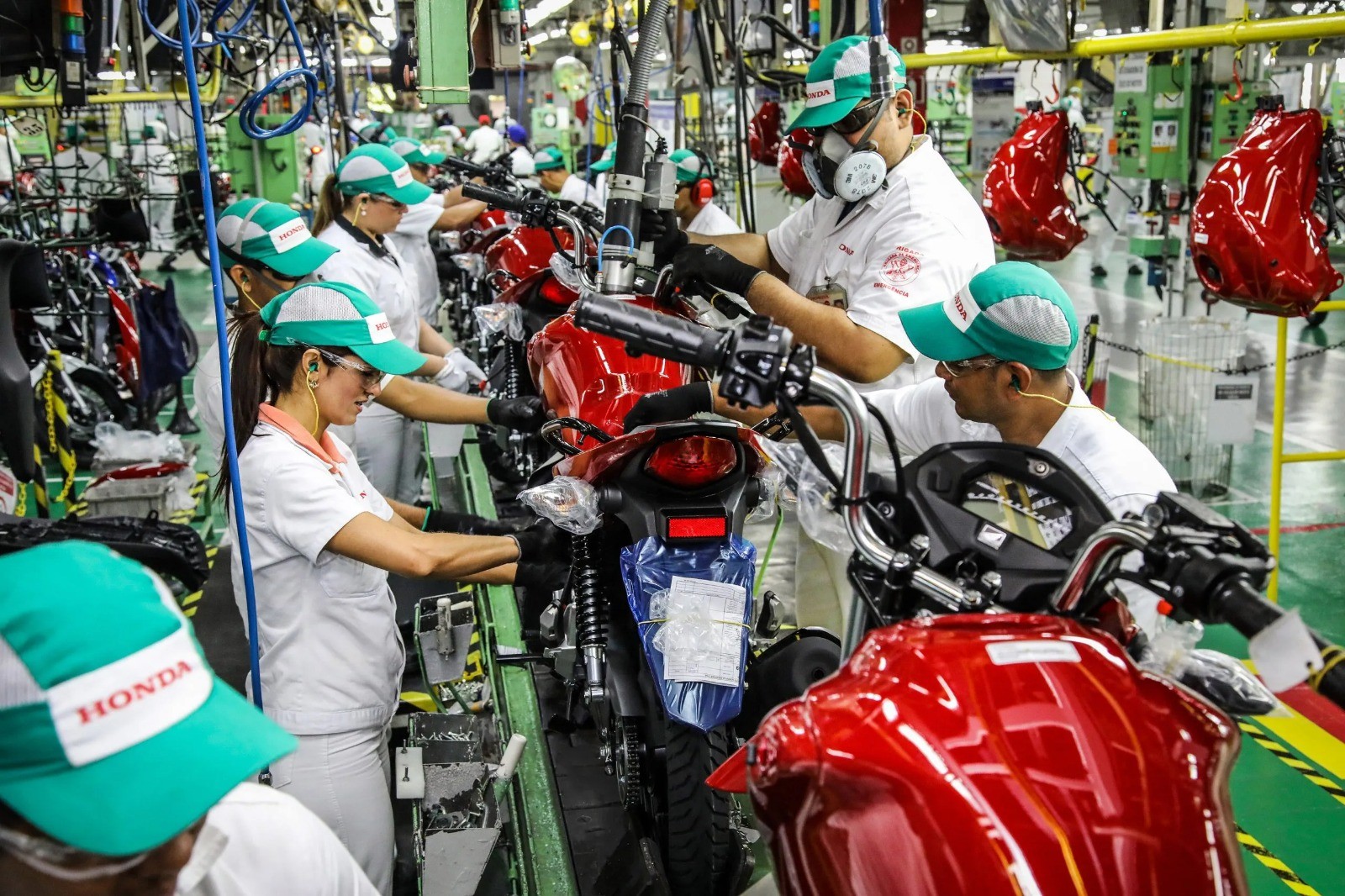
Motorcycle production in Manaus's Industrial Pole (PIM) surged by 6.3% in the first half of 2026, achieving the best performance for this period in 15 years, according to data released by Abraciclo. Between January and June, manufacturers in Manaus produced 1,063,397 motorcycles, the highest volume recorded for the first six months of the year since 2011. Abraciclo attributes this success to increased demand for motorcycles within the Brazilian market. Marcos Bento, president of Abraciclo, stated that the first-half results confirm a positive trend for the motorcycle industry, driven by domestic market expansion and the efficiency of Manaus-based manufacturers in meeting sector growth. Despite the strong year-to-date performance, June saw a production decrease of 15.1% compared to June 2025 and 29.9% compared to May 2026, totaling 130,875 units. This monthly dip was anticipated due to scheduled collective vacations for production line maintenance and process improvements. Sales also reached a record high, with 1,174,344 motorcycles licensed in the first half, a 14.1% increase year-over-year, marking the highest number of registrations for the period. Exports from Manaus also saw significant growth, with 24,084 motorcycles shipped abroad, a 29.4% increase compared to the same period in 2025. Street category motorcycles led production (51.1%), followed by Trail (20%) and Motonetas (12.9%). High-cylinder motorcycles experienced the largest proportional growth at 37.2%, though low-cylinder models continued to dominate overall production (78.2%).
The robust growth in Manaus's motorcycle production, reaching a 15-year high in the first half of 2026, indicates a strong alignment between manufacturing capacity and consumer demand in Brazil. This performance, coupled with record sales and export increases, suggests a healthy market dynamic. The dip in June production, attributed to planned maintenance and vacations, highlights a strategic approach to operational efficiency rather than a market downturn. Looking ahead, the industry's ability to meet evolving consumer preferences, particularly the strong growth in high-cylinder models alongside dominant low-cylinder production, will be crucial. Future challenges may involve navigating global supply chain dynamics, regulatory shifts, and the increasing integration of digital technologies into vehicle manufacturing and consumer experience, all within the context of a rapidly digitizing global economy.
AI-generated to prompt reflection — not editorial opinion, not advice, not a statement of fact. How this works.