Manaus Officials Rule Out First Death Linked to Factory Toxic Gas Leak
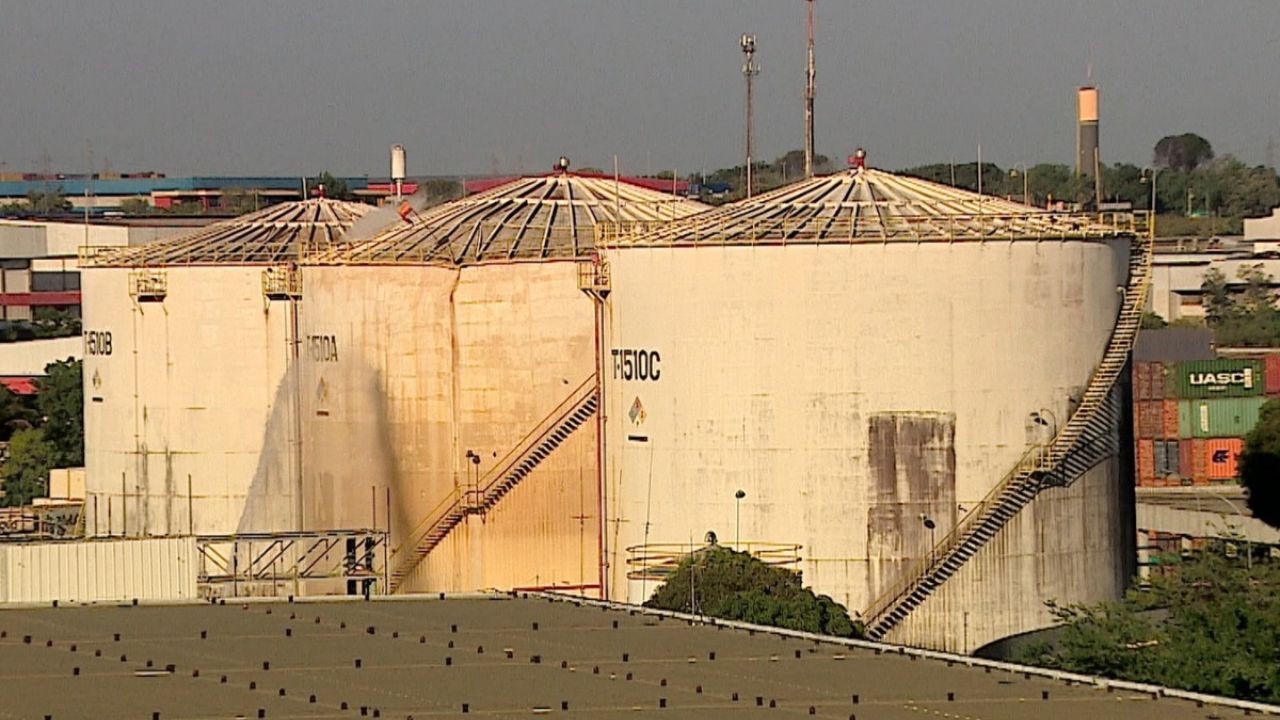
Manaus authorities have dismissed the first death under investigation as being directly caused by exposure to styrene gas, which leaked from a factory in the city's Industrial District on July 15. The Municipal Health Secretariat (Semsa) concluded that there was no direct link between the death of a 67-year-old man and the chemical accident. The deceased had a history of chronic cardiovascular and pulmonary diseases and was a smoker, according to the prefecture. An epidemiological investigation by the Center for Strategic Information on Health Surveillance (Cievs) found no causal link between styrene exposure and the death, despite the man reporting smelling the substance before he died. The investigation, initiated on July 16, followed national and state health surveillance protocols. Meanwhile, a second death, that of a 66-year-old worker from the Industrial District who died on July 19, remains under investigation by Cievs to determine if it was caused by chemical intoxication or another factor. Since the leak, 755 people have sought medical attention for symptoms potentially related to styrene exposure, with only one patient still hospitalized. The leak of styrene monomer, used in producing Styrofoam and other plastics, occurred due to an abnormal temperature rise in a storage tank at the Innova company, releasing toxic vapors that spread across several neighborhoods. The incident led the Manaus Prefecture to declare a state of alert, and Innova was fined over R$ 20 million.
The Manaus toxic gas leak incident highlights the critical need for robust industrial safety protocols and transparent public health communication. While authorities have ruled out the initial death as directly linked to the styrene exposure, the ongoing investigation into a second fatality underscores the potential for long-term health consequences from such events. The significant number of individuals seeking medical attention points to the widespread impact of industrial accidents on community well-being. Moving forward, regulatory bodies and companies must prioritize proactive risk assessment, emergency preparedness, and clear, timely information dissemination to mitigate public health risks and maintain trust. The substantial fine levied against Innova signals a move towards accountability, but systemic improvements in industrial oversight are essential to prevent future occurrences and ensure the safety of communities located near manufacturing facilities, particularly in the context of accelerating industrialization and potential climate-related environmental stressors.
AI-generated to prompt reflection — not editorial opinion, not advice, not a statement of fact. How this works.