Manaus Ranks Among Brazil's Top 10 Cities for Job Growth
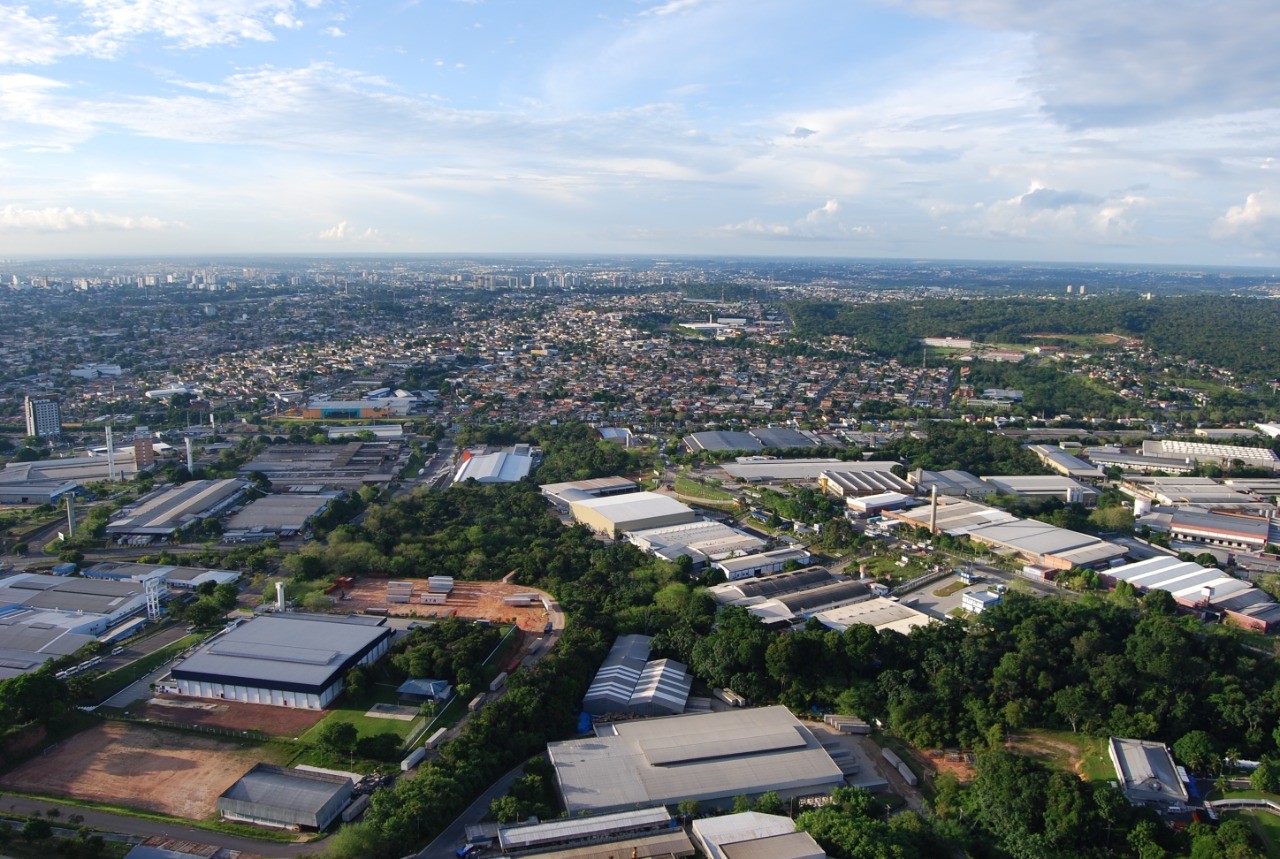
Manaus has been recognized as one of the top 10 Brazilian cities experiencing significant job growth and attracting new professionals, according to a recent LinkedIn study. The capital of Amazonas state secured the seventh position in the ranking, largely propelled by the performance of the Manaus Industrial Pole. This industrial hub was instrumental in creating 18,338 jobs in 2025. The LinkedIn study evaluated metropolitan areas based on hiring growth, job vacancy increases, and the influx of new professionals. Manaus's strong industrial sector and anticipated new projects and investments for the current year were highlighted as key drivers.
The ranking, released on July 22, identifies cities with the most dynamic labor markets. Data for the study was gathered from millions of user profiles and job postings on the LinkedIn platform between March 2024 and February 2026. Key indicators included hiring trends, job creation, and net migration of professionals into these regions. In Manaus, the sectors with the highest hiring rates were higher education, manufacturing of electrical machinery and equipment, and the production of machinery and equipment for freight and passenger transport. Prominent employers cited include Bemol, the Federal University of Amazonas (Ufam), and Samsung Electronics. The study also noted that 16.4% of job openings in the Manaus metropolitan area were for remote work, with an additional 6% for hybrid models.
This LinkedIn report highlights Manaus's economic dynamism, positioning it favorably within Brazil's national employment landscape. The data suggests that strategic industrial development, particularly within the Manaus Industrial Pole, can effectively stimulate job creation and attract talent. The prominence of sectors like higher education and advanced manufacturing indicates a potential shift towards a more diversified and skilled workforce. The significant proportion of remote and hybrid job postings reflects broader national labor market trends, suggesting that Manaus is adapting to evolving work models. Future policy considerations could focus on sustaining this growth by fostering innovation within these key sectors and ensuring infrastructure supports both traditional and modern employment paradigms.
AI-generated to prompt reflection — not editorial opinion, not advice, not a statement of fact. How this works.