Manaus Residential Fires Surge to Three-Year High
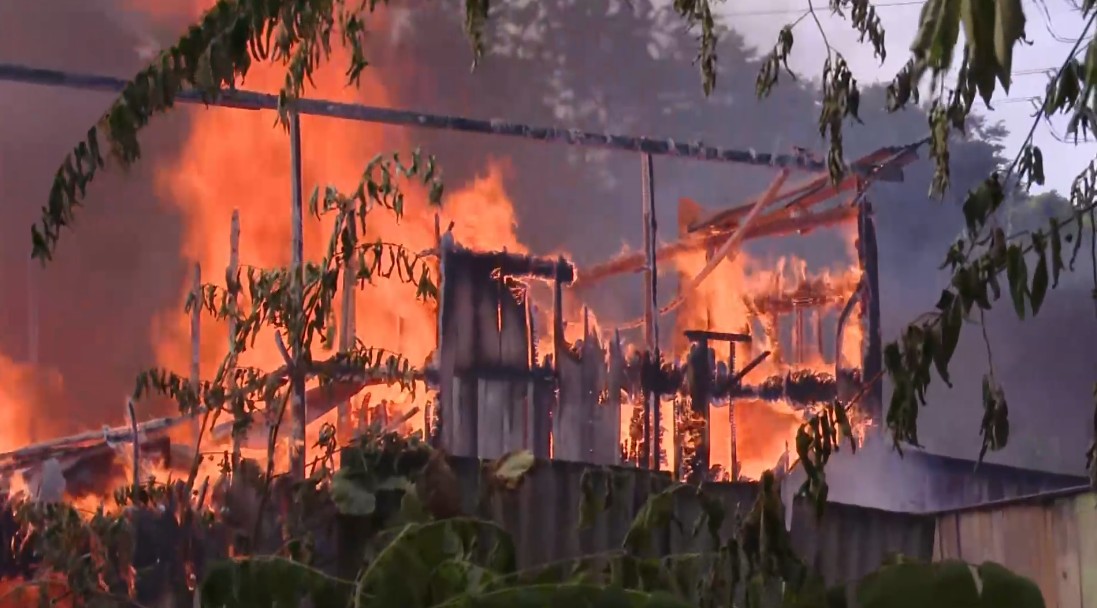
Manaus has experienced a significant increase in residential fires, reaching the highest number in three years during the first half of 2026. From January to June 2026, authorities recorded 234 incidents, marking a 39% rise compared to the same period in 2025 (168 cases) and a 69% increase from 2024 (138 cases), according to the Amazonas Fire Department (CBAM). The data indicates a consistent upward trend throughout the first semester of 2026, with April and June being the most active months, reporting 48 and 51 fires, respectively. June saw the highest number of occurrences within the analyzed timeframe. In contrast, 2024 saw monthly fire counts ranging from 16 to 39, totaling 138 for the semester, while 2025 recorded 168, with May being a peak month. The current year's figures remained elevated, with monthly tallies of 27 in January, 34 in February, 39 in March, 48 in April, 35 in May, and 51 in June. Recent incidents include a fire in Parintins on Monday (27th) that required hospitalizing the owner's son due to smoke inhalation, and in Manacapuru, two homes were destroyed. Earlier in the month, a fire in Careiro da Várzea claimed one life and severely injured another person, with a faulty fan suspected as the cause. Other notable fires in Manaus include one in June that consumed a house and another in March that affected approximately 30 families in the São Jorge neighborhood, resulting in one minor injury. An apartment fire in Manaus tragically resulted in the death of a dog.
The escalating number of residential fires in Manaus, particularly in the first half of 2026, suggests a systemic issue potentially linked to infrastructure and consumer behavior. Factors such as improper equipment installation, increased reliance on high-power appliances like air conditioners due to the Amazonian summer, and the use of uncertified electronics, as highlighted by an electrical engineer, likely contribute to this trend. The data indicates a need for enhanced public awareness campaigns regarding electrical safety and potentially stricter regulations on the sale and installation of electrical devices. Over the next decade, as urbanization continues and climate patterns potentially exacerbate heatwaves, the strain on existing electrical grids and the risk of fires may intensify, necessitating proactive infrastructure upgrades and updated safety standards to prevent future tragedies and protect lives and property.
AI-generated to prompt reflection — not editorial opinion, not advice, not a statement of fact. How this works.