Manaus Schools Suspend Classes After Styrene Gas Leak at Factory
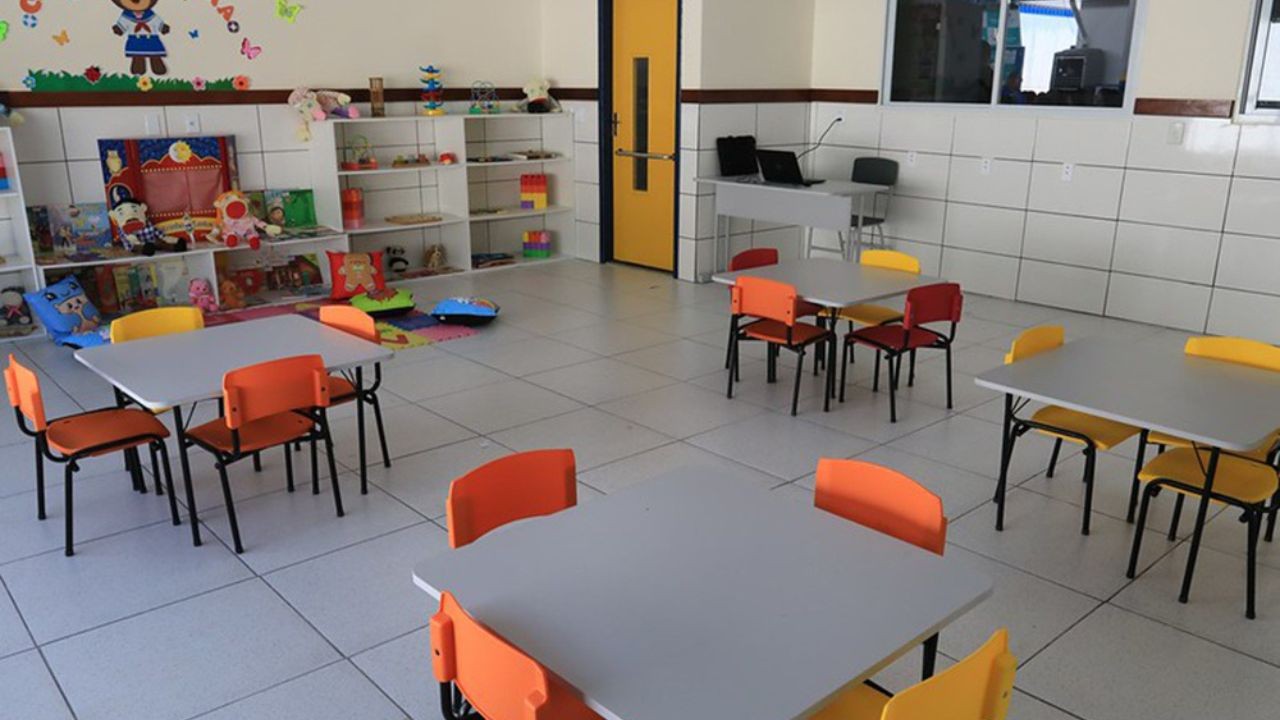
Nineteen municipal and state schools in Manaus, Brazil, suspended classes on Thursday, May 16, as a precautionary measure following a styrene gas leak at a factory in the city's South Zone Industrial District. The leak, which occurred late Wednesday, May 15, released styrene, a flammable and toxic substance used in plastic and rubber manufacturing, causing a strong odor in nearby areas. The substance can evaporate when heated, forming strong-smelling vapors that can cause irritation to the eyes, nose, and throat, along with headaches, dizziness, and nausea.
Firefighters were on-site Thursday to cool the storage tanks, though some vapors were still being released at a lower intensity. The area was isolated by police, but the extent of vapor impact and any potential investigation or forensic analysis remained unconfirmed. The cause of the abnormal heating and potential company responsibility are also unknown.
Sixteen municipal schools and three state schools suspended activities, with state schools scheduled for sanitization and resumption of classes on Friday, May 17. The Sesi school unit also suspended activities. The Pronto Atendimento ao Cidadão (PAC) service center also closed for the day. Approximately 18 companies in the Industrial District sent employees home as a precaution. The company, Innova, stated the situation was controlled according to emergency protocols, with no liquid leakage or injuries reported, and assured no risk of customer supply disruption. The Superintendence of the Manaus Free Trade Zone (Suframa) is monitoring the situation, emphasizing the company's responsibility for safe operations and the investigation of causes and impacts by relevant authorities. Health officials advised remaining in well-ventilated areas and seeking medical attention if symptoms arise.
The incident highlights the critical need for robust industrial safety protocols and transparent communication during chemical emergencies. While the company reported containment, the precautionary suspension of classes for thousands of students and the release of employees from numerous businesses underscore the potential scale of public health concerns and economic disruption stemming from industrial accidents. The response, involving multiple government agencies and educational bodies, demonstrates a reactive approach to managing immediate risks. Moving forward, a focus on proactive risk assessment, enhanced regulatory oversight of chemical storage and handling, and clear public health advisories based on real-time environmental monitoring will be crucial. Lessons learned should inform broader industrial zone safety standards across the region to mitigate future occurrences and ensure community well-being in the face of industrial activity.
AI-generated to prompt reflection — not editorial opinion, not advice, not a statement of fact. How this works.