Manaus student free travel may be jeopardized by R$90 million debt
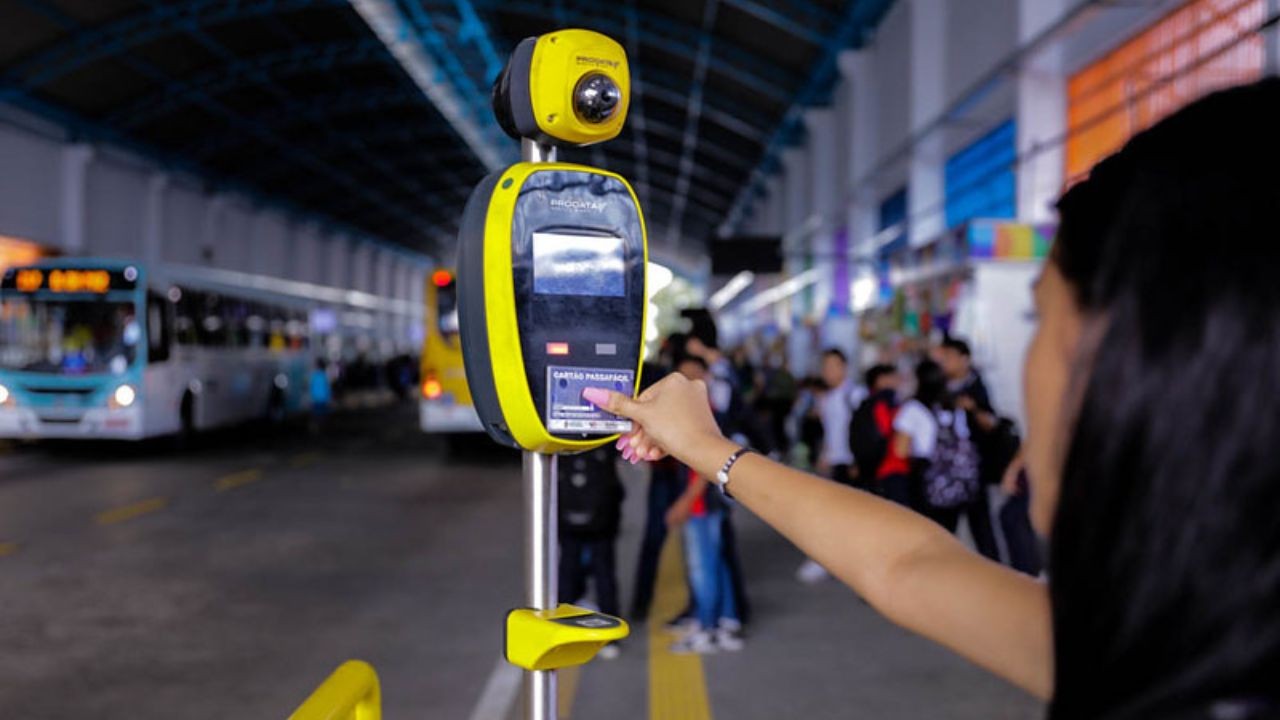
The student free travel program in Manaus, Brazil, is at risk due to an outstanding debt of R$90.1 million owed by the Amazonas State Government and the Manaus City Hall to public transport companies. The Union of Passenger Transport Companies of Amazonas (Sinetram) revealed this debt on Tuesday, May 21st, warning of potential disruptions to the capital's public transportation system. This announcement follows a bus driver strike initiated on Monday, May 20th, stemming from delayed salary payments. On Tuesday, 80% of the bus fleet resumed operations during peak hours following a directive from the Regional Labor Court of the 11th Region (TRT-11). Sinetram stated that the total outstanding amount is R$90,184,740.19, with the state government responsible for over R$44 million and the city hall for the remainder. The union emphasized that the financial difficulties faced by the ten transport companies are directly linked to these delayed reimbursements, impacting service operations. Sinetram's president, César Tadeu Teixeira, stressed that the continuation of free student travel depends on the settlement of these payments, warning that the system could collapse if the debt is not cleared. He also highlighted the need for a clear agreement on future reimbursements to ensure the sustainability of the program. The union is urging the state government and city hall to reach an accord on the disputed amounts. The news outlet is awaiting responses from both the Manaus City Hall and the Amazonas State Government regarding these financial pendencies. The Labor Court mandated that public transport operate at 80% capacity during peak hours and 50% at other times, with a daily fine of R$120,000 for non-compliance. The Amazonas Military Police assisted in ensuring buses left their depots on Tuesday morning.
The situation in Manaus highlights a critical tension between public service provision and fiscal responsibility. The substantial debt accumulated by governmental bodies towards transport operators directly impacts the viability of essential services like student free travel and general public transit. This scenario underscores the importance of transparent and consistent financial management in public-private partnerships, particularly when service continuity is paramount. The reliance on government reimbursements for operational costs and specific benefits like student passes creates a systemic vulnerability. Future planning should consider more robust funding mechanisms or contractual safeguards to prevent such large-scale payment arrears. The potential collapse of the system, as warned by Sinetram, suggests a need for a long-term strategy that decouples essential services from short-term budgetary fluctuations, ensuring predictable operations and equitable access for citizens, especially students who depend on these programs for their education.
AI-generated to prompt reflection — not editorial opinion, not advice, not a statement of fact. How this works.