Manaus Toxic Gas Leak: 67% Exposed at Work, City Hall Reports
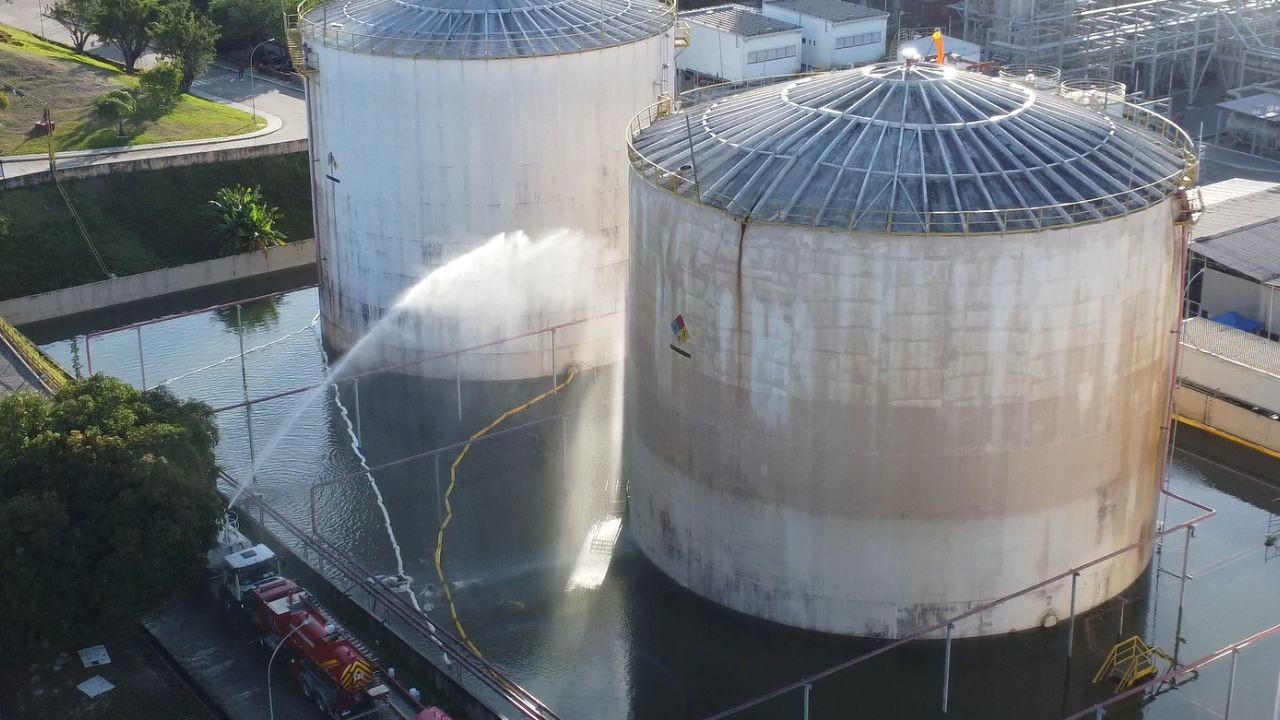
A significant toxic gas leak, identified as styrene, occurred at the Innova company in Manaus' Industrial District on Wednesday, April 15th. The leak, which lasted for approximately three hours, affected 648 individuals who sought medical attention. A report from the Manaus City Hall on Monday, April 20th, revealed that 67% of those treated reported exposure to styrene in their workplace. An additional 19% experienced symptoms at home, and 10% were in external areas when they fell ill. The majority of affected individuals were adults aged 20 to 59, though children and adolescents, including infants, also received care. Respiratory issues were reported by 78% of patients, while 20% showed skin alterations. As of Monday, only one patient remained hospitalized out of the 648 treated. The investigation is also examining two fatalities potentially linked to styrene exposure: a 67-year-old man who died on April 16th and a 60-year-old man who passed away on April 18th with respiratory problems. The leak was contained by Sunday, April 19th, with zero emissions confirmed by the Amazonas Military Fire Department. However, the process of removing stored product and deactivating the affected structure could take months. The company Innova has been fined over R$ 22.4 million by municipal and state environmental agencies for air, soil, and water pollution. The monomer styrene is used in the production of plastics and synthetic rubbers, and exposure can cause irritation, headaches, dizziness, and nausea.
The Manaus styrene leak highlights systemic vulnerabilities in industrial safety protocols, particularly concerning the management of volatile chemicals. While the immediate response focused on containment and medical aid, the high percentage of workplace exposures suggests potential gaps in preventative measures and employee training regarding hazardous materials. The significant fines levied against Innova indicate regulatory oversight failures, and the ongoing investigation into the cause, possibly a spontaneous reaction within the tank, underscores the need for advanced risk assessment and monitoring technologies. Looking ahead, the incident serves as a critical case study for the chemical industry, emphasizing the imperative for robust emergency preparedness, transparent communication with surrounding communities, and continuous improvement in process safety management to mitigate the risk of future environmental and public health crises in the densely industrialized Amazon region.
AI-generated to prompt reflection — not editorial opinion, not advice, not a statement of fact. How this works.