Manaus Toxic Gas Leak: Over 400 Treated, Environmental Damage Concerns Rise
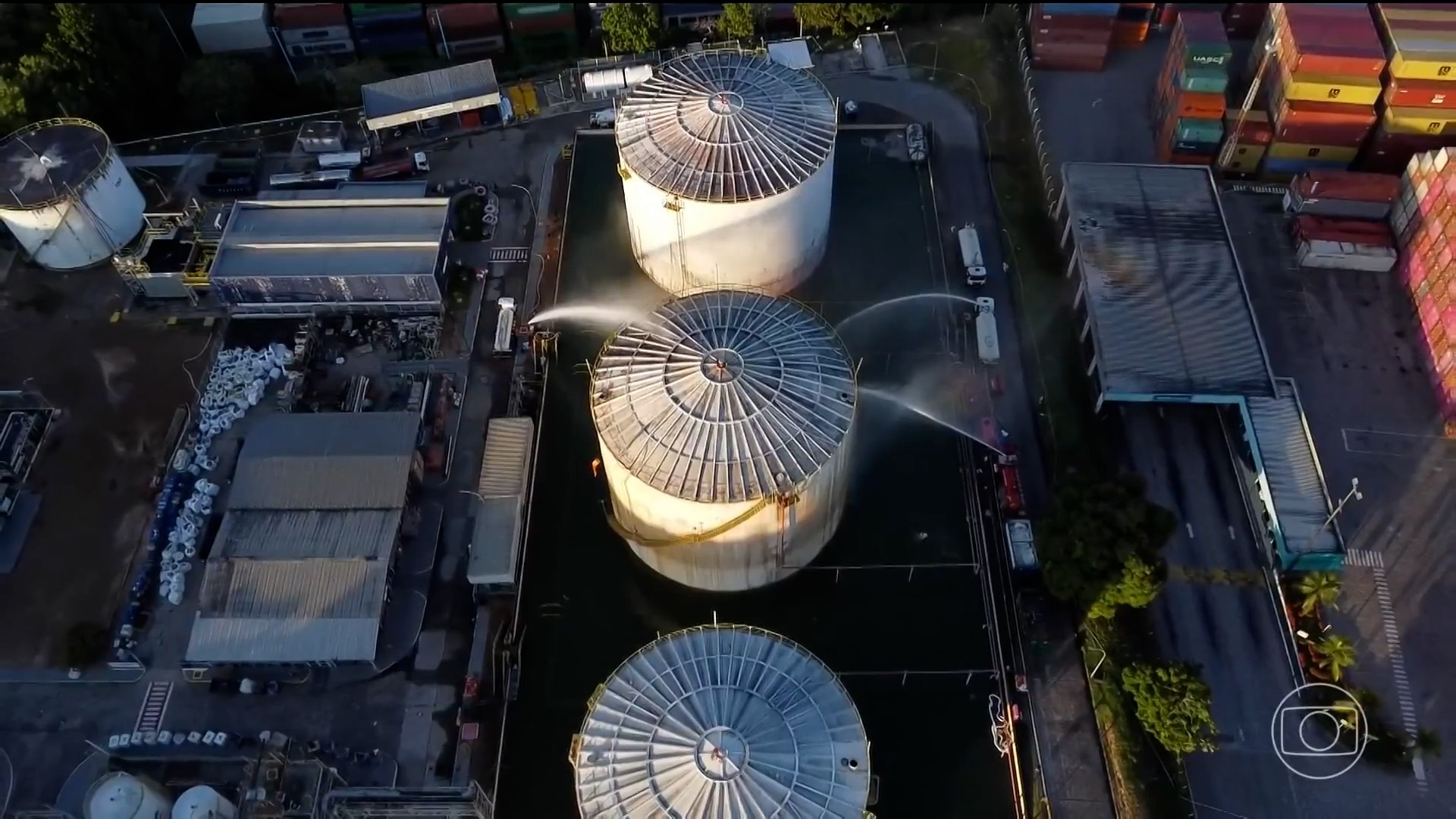
Firefighters and environmental agencies in Manaus have been battling a toxic gas leak at a company in the Manaus Industrial Pole for over 70 hours. The leak involves styrene monomer, a highly flammable and toxic chemical used in petrochemical industries, which was stored in liquid form. The substance experienced an abnormal temperature increase, leading to the release of vapors. On Saturday, March 18th, firefighters intensified efforts to cool the tank by spraying water, while also monitoring internal temperatures. While the visible gas leak and strong odor have diminished, concerns remain about potential environmental contamination. An inspection revealed fissures in the containment basin designed to hold cooling water, and initial analyses indicate styrene contamination in nearby streams and soil. The state government reported that the Fire Department is also performing internal suction of the substance. Armando Santarém, a chemist with the Secretariat of Environment and Sustainability of Manaus, compared the incident to a pressure cooker, with safety valves acting as an escape to prevent an explosion. The government of Amazonas and the municipality of Manaus have fined the responsible company, Innova, over R$20 million for environmental crimes. A total of 414 people sought medical attention due to the leak, with two individuals remaining hospitalized. The company has apologized and is cooperating with investigations. Residents, like secretary Ingrid Sales, have reported symptoms including dizziness, headaches, throat irritation, and skin itching, prompting some to leave the city.
This incident highlights critical risks in industrial chemical storage, particularly concerning reactive substances like styrene monomer. The prolonged response time and subsequent environmental contamination underscore the need for robust emergency preparedness protocols and advanced leak detection systems in industrial zones. The significant fines levied suggest a potential failure in regulatory oversight or corporate adherence to safety standards. Moving forward, a focus on predictive maintenance, real-time environmental monitoring, and transparent incident reporting will be crucial for preventing similar events and mitigating public health and ecological impacts in the face of evolving industrial processes and climate-related environmental stressors.
AI-generated to prompt reflection — not editorial opinion, not advice, not a statement of fact. How this works.