Manaus Traffic Fatalities Rise 6.8% in First Five Months of 2026
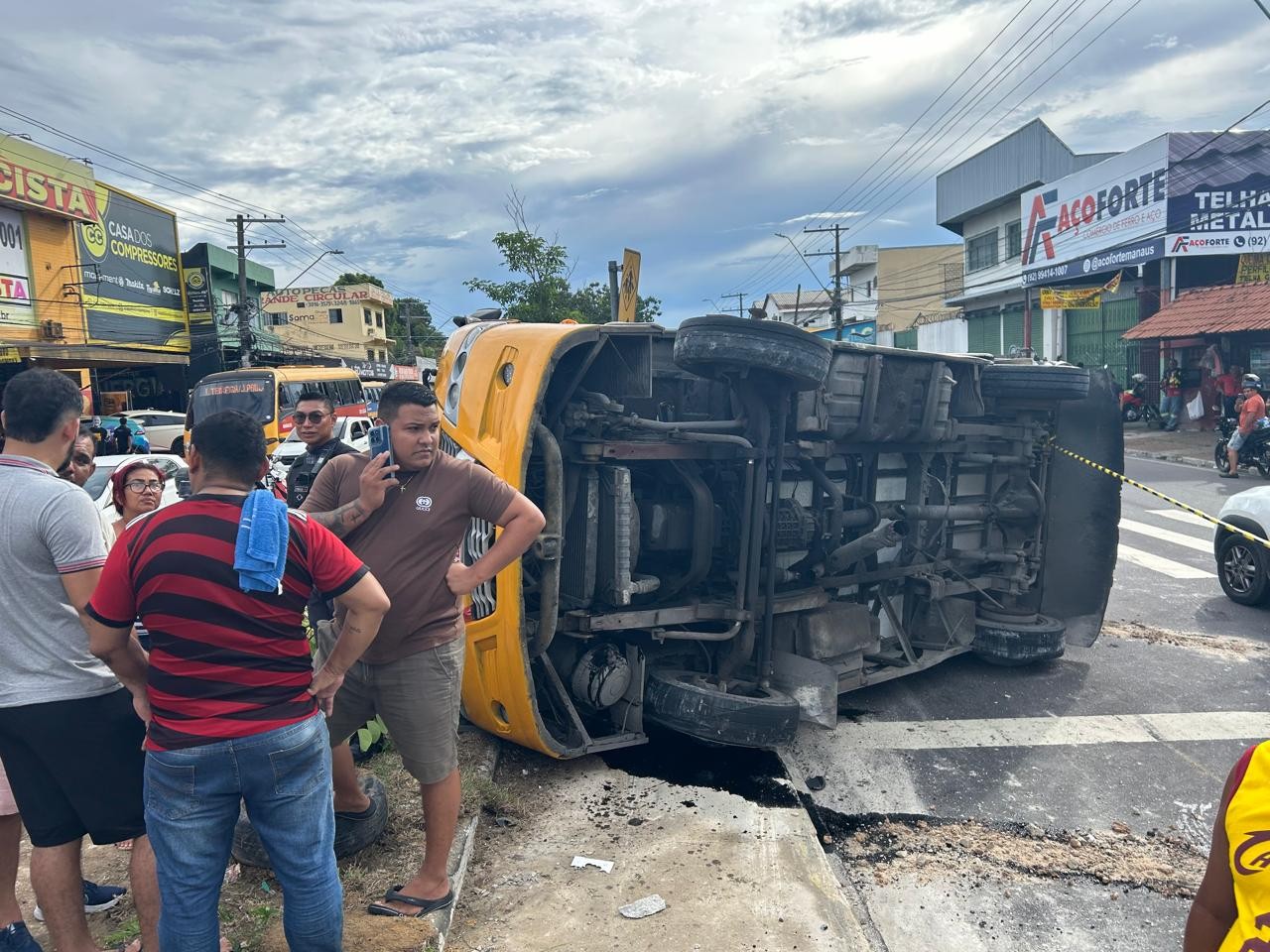
Manaus has experienced a 6.8% increase in traffic fatalities during the first five months of 2026 compared to the same period in 2025. The Municipal Institute of Urban Mobility (IMMU) reported 110 deaths between January and May 2026, up from 103 in 2025. The Eastern Zone of the city recorded the highest number of fatalities, with 36 deaths. Major avenues contributing to this figure include Torquato Tapajós with seven deaths, Autaz Mirim with six, and Avenida Brasil with four. The IMMU identified motorcyclists and pedestrians as the most vulnerable road users, accounting for 56 motorcyclist deaths and 31 pedestrian deaths in the period. Traffic specialist Rafael Cordeiro attributes this rise to an expanding vehicle fleet and increased competition for road space in Manaus, a city with over one million registered vehicles. Beyond statistics, these accidents have profound and lasting impacts on families. Lenize Pedroso Martins, who lost two sons in 1997 when a runaway truck hit their school, shared the enduring pain of such losses. Fabíola Galvão, founder of the Support Group for Parents in Grief (GAPS), transformed her grief after her son's 2003 death into advocacy for greater traffic responsibility, urging drivers to consider the families awaiting their return.
The reported increase in traffic fatalities in Manaus highlights a critical urban mobility challenge. This trend appears linked to the city's growth and intensified competition for road space, impacting vulnerable road users like motorcyclists and pedestrians disproportionately. Future urban planning must integrate robust safety measures, potentially through enhanced infrastructure design and stricter enforcement, to mitigate risks associated with a growing vehicle population. The data suggests a systemic issue requiring a multi-faceted approach, considering not only vehicle density but also driver behavior and pedestrian safety infrastructure. Addressing this will be crucial for sustainable urban development in the coming decade, ensuring that economic growth does not come at the cost of public safety and well-being.
AI-generated to prompt reflection — not editorial opinion, not advice, not a statement of fact. How this works.