Manaus Water Company to Issue New Water Bill Model Starting August
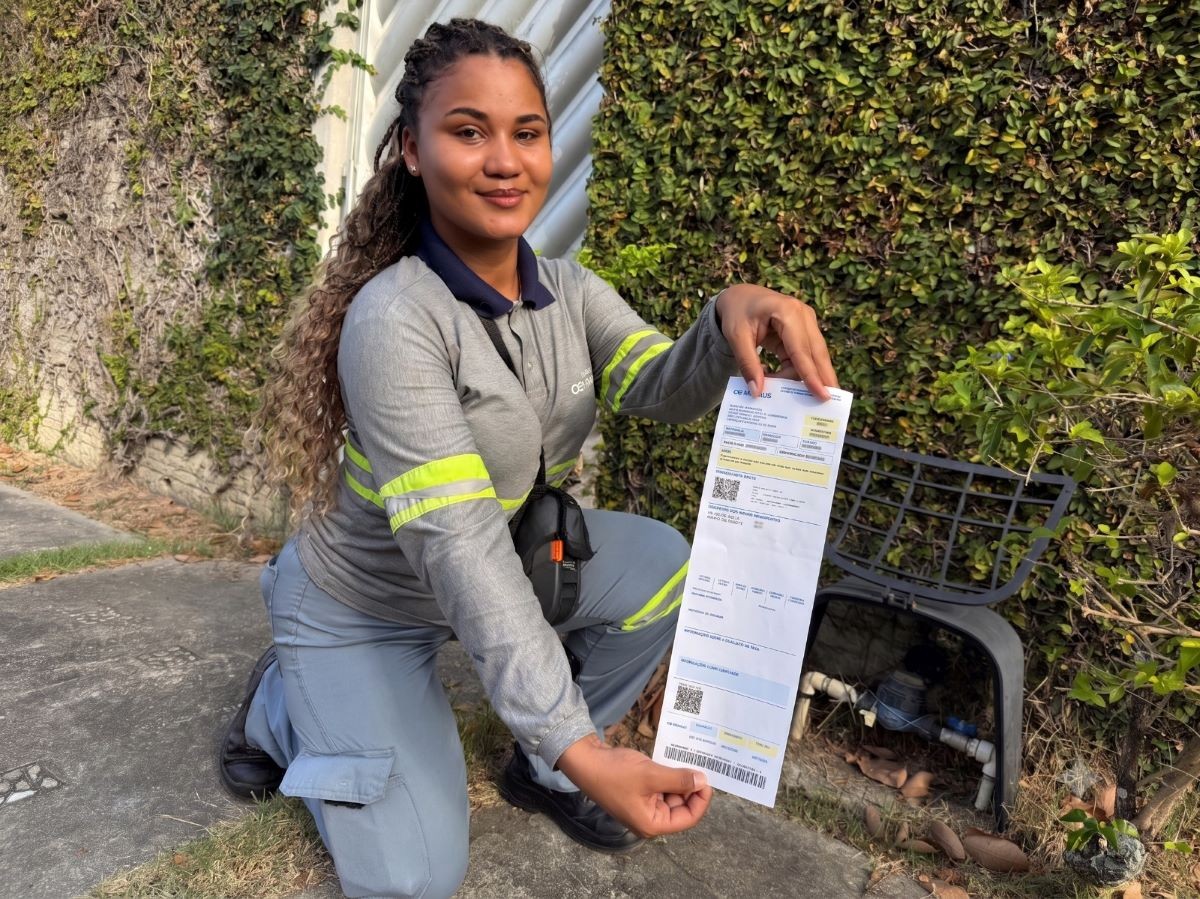
Águas de Manaus, the water concessionaire for Manaus, Brazil, will begin issuing a new water bill format starting in the first week of August. This updated bill will reflect consumption from July and complies with current tax legislation. The company emphasizes that only the presentation of information is changing; water tariffs, consumption calculation methods, due dates, and payment channels will remain the same.
The primary new feature is a QR Code on the bill. Scanning this code with a smartphone camera will allow customers to quickly and securely access the Electronic Water and Sanitation Invoice (NFAg). The revised bill will also provide more detailed information on the taxes included in the charges, as mandated by law. Carla Dutra, Commercial Manager at Águas de Manaus, stated that the alteration is solely to the bill's model, aiming for greater transparency and tax compliance without affecting service costs or calculation methods.
Águas de Manaus advises customers to keep their contact information, particularly phone numbers and email addresses, up-to-date to facilitate important communications and customer service. Customers can reach out with questions via the official channels: a 0800 number for WhatsApp and Call Center, and the company's social media platforms.
The introduction of a new water bill format by Águas de Manaus, driven by tax legislation, highlights the ongoing digitalization and compliance efforts within utility services. The inclusion of a QR code and more detailed tax breakdowns signifies a move towards enhanced transparency and customer access to electronic documentation, aligning with broader trends in digital government and consumer rights. While presented as a minor administrative change, such updates can streamline operational efficiencies and reduce paper-based processes. However, it also underscores the continuous need for utility providers to adapt to evolving regulatory landscapes, potentially increasing administrative overhead. The emphasis on customer data accuracy points to the increasing reliance on digital communication channels for service delivery and information dissemination, a trend likely to accelerate in the coming decade.
AI-generated to prompt reflection — not editorial opinion, not advice, not a statement of fact. How this works.