Manaus Water Supply Interruption Affects 16 State Schools' Schedules
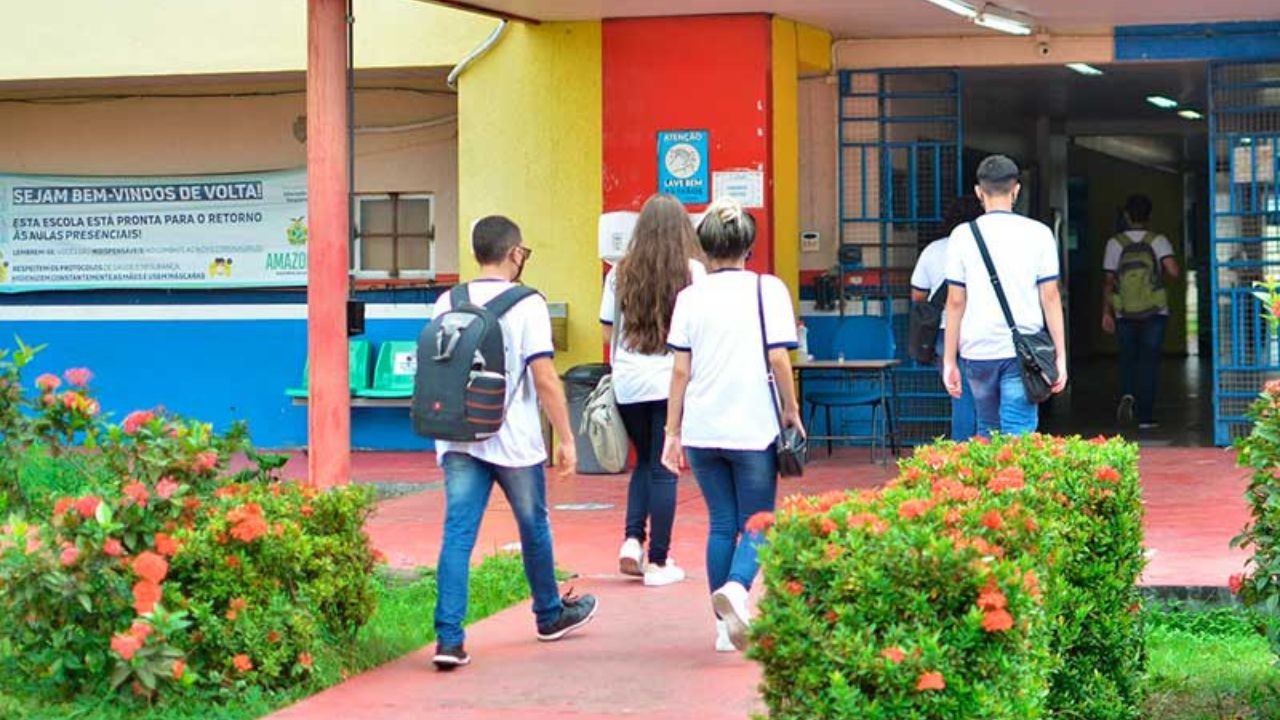
Sixteen state schools in Manaus, Brazil, will alter their class schedules on Wednesday, May 5th, due to a planned water supply interruption. The State Secretariat of Education and School Sports (Seduc) announced that morning classes will be shortened, and afternoon classes will be suspended at the affected institutions. This change is necessary because of scheduled maintenance at the Ponta do Ismael Water Production Complex (PDI) in the Compensa neighborhood. The maintenance will disrupt water service in numerous neighborhoods across Manaus's North, South, Central-South, West, Central-West, and parts of the East Zones. Seduc stated that classes will resume their normal schedules once water supply is restored. The water service shutdown is scheduled from 6 AM to 6 PM on Wednesday, May 5th, for maintenance by Águas de Manaus. Two treatment stations at the PDI complex will be temporarily turned off as part of preparations for the Amazonian Summer, a period of high water consumption. While the system is expected to be reconnected by early evening, full restoration may take up to 48 hours in higher-elevation areas, with normalization anticipated by Friday, May 7th. Águas de Manaus advises residents to conserve water for essential needs and avoid waste. The company will also deploy water trucks to supply essential services like hospitals and health units, and will conduct 38 other operational maintenance tasks across the city during the interruption.
This event highlights the critical interdependence of municipal infrastructure and public services, demonstrating how essential utility maintenance can necessitate adjustments in educational operations. The planned nature of the water supply interruption and the proactive communication by Seduc and Águas de Manaus suggest a structured approach to managing the disruption. However, the extended recovery time for water service, particularly in higher-elevation areas, points to potential systemic vulnerabilities in water distribution networks that may be exacerbated by increased demand during the upcoming "Amazonian Summer." Future planning could explore more resilient infrastructure solutions or alternative service provision models to minimize future impacts on critical public services like education and healthcare during necessary maintenance periods.
AI-generated to prompt reflection — not editorial opinion, not advice, not a statement of fact. How this works.
