Manaus Water Utility Repairs Streets in Over 50 Neighborhoods
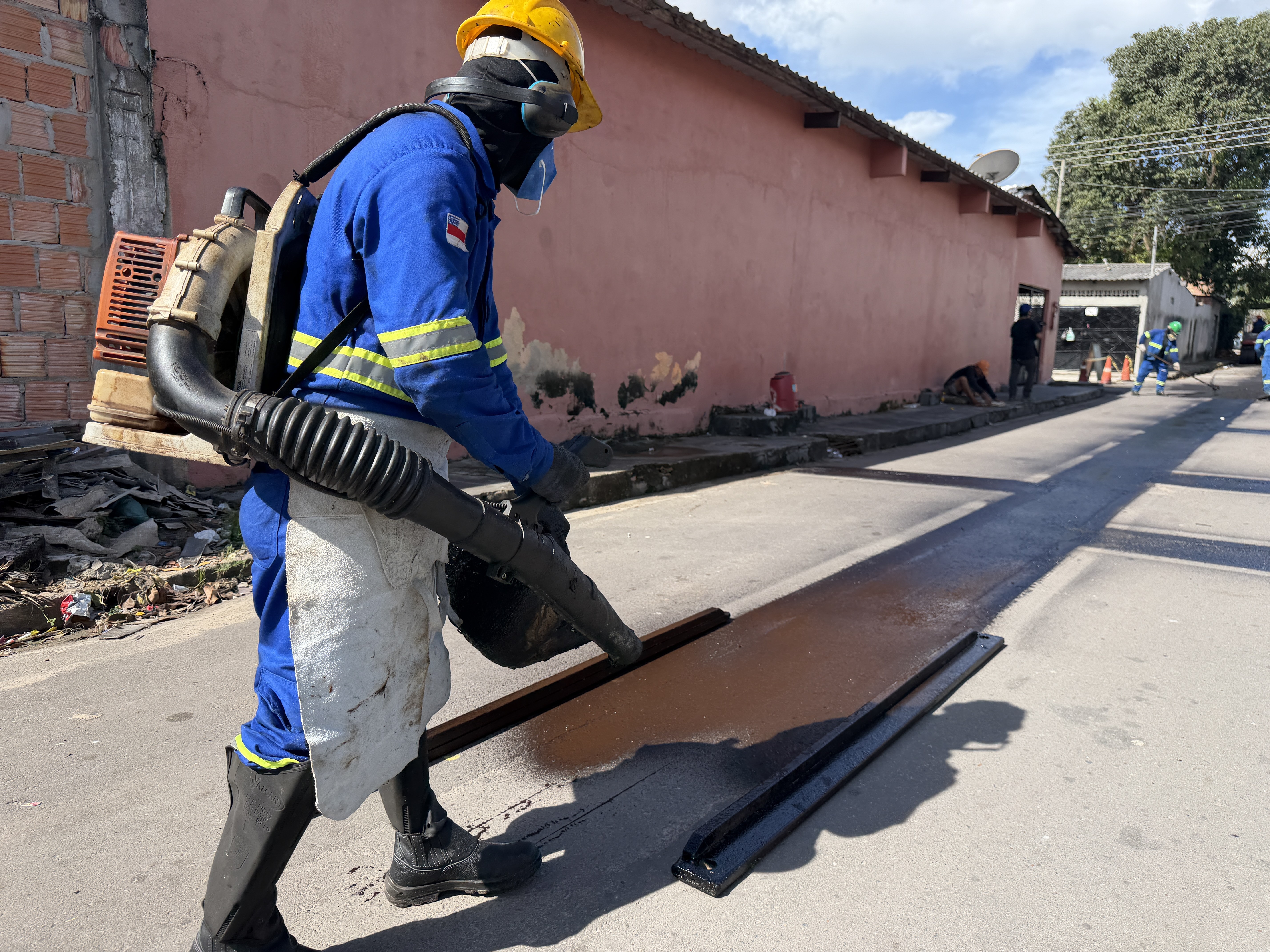
Águas de Manaus, the local water utility, is conducting an intensive asphalt recovery effort across all zones of the city, impacting more than 50 neighborhoods. To date, the operation has utilized over 1,300 tons of asphalt. This initiative is divided into two main components: one focuses on repaving areas where the company has completed sewage network installations, and the other addresses streets that underwent emergency maintenance. Specifically, more than 30 kilometers of pavement have been restored in areas that received new sewage systems. To optimize service scheduling, Águas de Manaus employs a mapping system utilizing a vehicle equipped with cameras and sensors to survey recently worked-on areas. A daily schedule of visited neighborhoods is published on the company's website. Recent locations include streets in Cidade Nova, Aparecida, Coroado, Novo Aleixo, Parque 10, and Cidade de Deus. The company encourages residents to report any related issues immediately via their customer service channels, including a 0800 number and WhatsApp. Wendel Sousa, the manager of Services at Águas de Manaus, stated that over 110 employees are involved in this complex task, emphasizing the priority of ensuring proper pavement restoration after interventions and committing to return for necessary adjustments.
This initiative by Águas de Manaus addresses the critical infrastructure challenge of street surface restoration following utility work. The systematic approach, employing advanced mapping technology and dedicated teams, suggests a focus on operational efficiency and public satisfaction. However, the underlying issue of repeated pavement disruption due to essential underground work highlights a broader urban planning dilemma. Future urban development strategies might benefit from integrated infrastructure planning that minimizes surface impacts, potentially through trenchless technologies or more coordinated multi-utility project phasing. This could lead to more sustainable and less disruptive urban renewal cycles, reducing long-term costs for both the utility and the municipality, and improving the urban environment for residents.
AI-generated to prompt reflection — not editorial opinion, not advice, not a statement of fact. How this works.