Manaus Zoo Uses Frozen Treats and Misting Systems to Combat Amazon Summer Heat
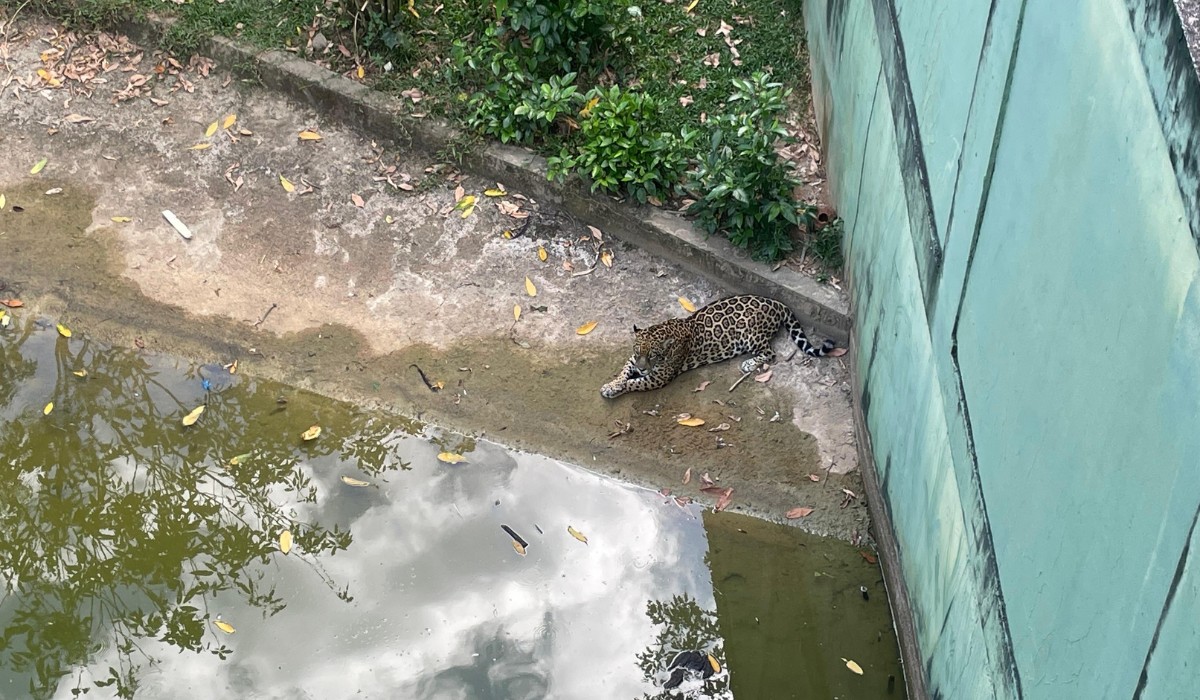
The Zoo of the Center for Jungle Warfare Instruction (Cigs) in Manaus, Brazil, is implementing innovative strategies to help its approximately 400 Amazonian animals cope with the intense heat of the Amazonian summer, a period from July to October characterized by reduced rainfall, high temperatures, and low humidity. The zoo, managed by the Brazilian Army, focuses on rescuing, treating, and rehabilitating native fauna. To provide thermal comfort and stimulate natural behaviors, the zoo prepares frozen "popsicles" made from meat for carnivores and fruits for herbivores and omnivores, using ingredients already part of their regular diet. These treats, prepared in molds adapted to each animal's size, are frozen for at least 12 hours before distribution. For instance, large felines like jaguars and cougars receive 18 meat popsicles per batch, while other carnivores like coatis get three. These frozen meals are typically offered three times a week between 2 PM and 4:30 PM, the hottest part of the day. In addition to these frozen delights, the zoo is using other methods to keep the animals cool. Primate enclosures are equipped with misters that spray water and air, and larger animals like jaguars and tapirs receive regular shower baths. Ice blocks are also added to water troughs to maintain cooler drinking water. Veterinary staff monitor animal behavior for signs of heat stress, such as increased agitation and restlessness, and conduct frequent checks on water levels in pools and troughs.
The Manaus Zoo's initiative to provide frozen treats and misting systems highlights a proactive approach to animal welfare in response to extreme climate conditions. This strategy addresses the physiological challenges posed by rising temperatures, a growing concern globally for both captive and wild populations. By adapting feeding routines and environmental controls, the zoo demonstrates a commitment to mitigating heat stress through scientifically informed enrichment. This case offers a model for other institutions facing similar environmental pressures, emphasizing the importance of resourcefulness in maintaining animal health and well-being. It underscores the need for adaptive management strategies in zoological settings, particularly in regions experiencing amplified effects of climate change, prompting consideration of long-term infrastructure and operational adjustments to ensure resilience.
AI-generated to prompt reflection — not editorial opinion, not advice, not a statement of fact. How this works.