Mancini and Malaga: The Sole Victors of Italian Football Chaos
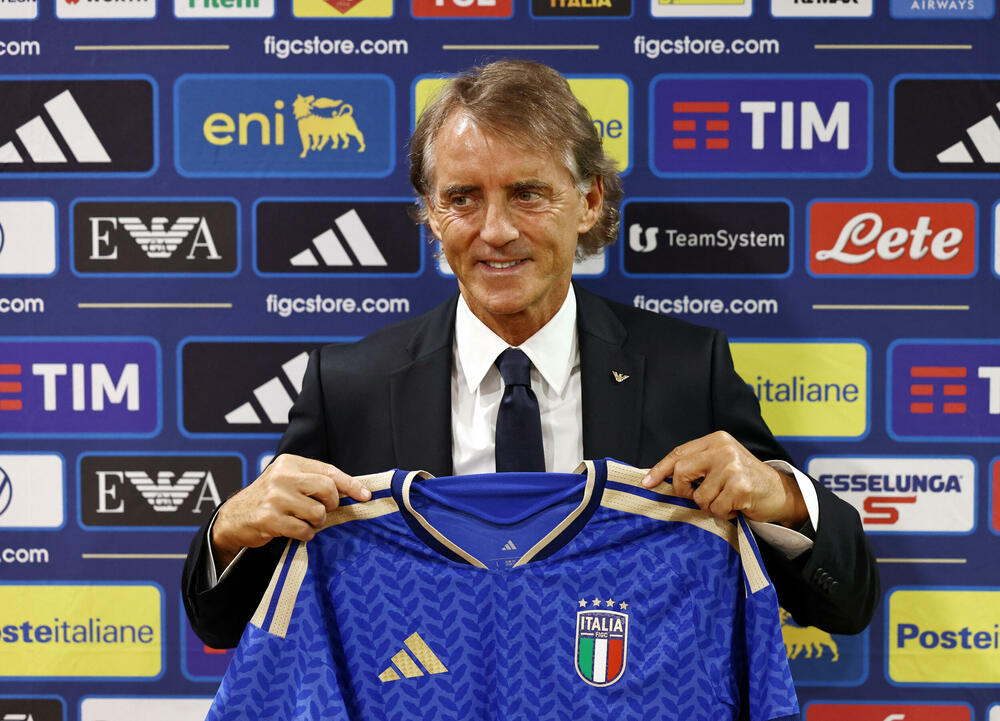
Roberto Mancini, once hailed as a national hero, is now facing scrutiny after a perceived betrayal of the nation three years prior. His close friend is set to take over the Football Association, a move that has stirred controversy. This development comes amidst a period of significant upheaval and chaos within Italian football. The circumstances surrounding Mancini's past actions and the subsequent leadership changes suggest a complex and potentially divisive period for the sport in Italy. The article implies that Mancini and a figure referred to as 'Malago' are the only ones who have emerged positively from this turbulent era. The appointment of Mancini's friend to a key position within the Football Association raises questions about the future direction and governance of Italian football. The narrative suggests a deep-seated issue within the sport's administration, with personal relationships potentially influencing significant decisions. The situation highlights a broader concern about accountability and transparency in sports leadership.
The recent events in Italian football suggest a complex interplay between personal relationships and institutional governance. The appointment of individuals with close ties to existing figures, like Mancini's friend to the Football Association, can raise questions about meritocracy and objective decision-making processes. While personal networks can sometimes facilitate efficient collaboration, they also carry the risk of fostering an environment where cronyism might overshadow performance-based advancement. Moving forward, the Italian Football Association faces the challenge of balancing established relationships with the imperative for transparent and robust leadership, particularly in navigating the evolving landscape of global sports governance and the increasing demands for accountability from stakeholders and fans alike. This situation underscores the broader systemic challenge of ensuring that leadership appointments are driven by competence and a clear vision for the future, rather than personal affinity.
AI-generated to prompt reflection — not editorial opinion, not advice, not a statement of fact. How this works.