Mancini's Mission: Forgiveness and a New Path for Saudi Arabia
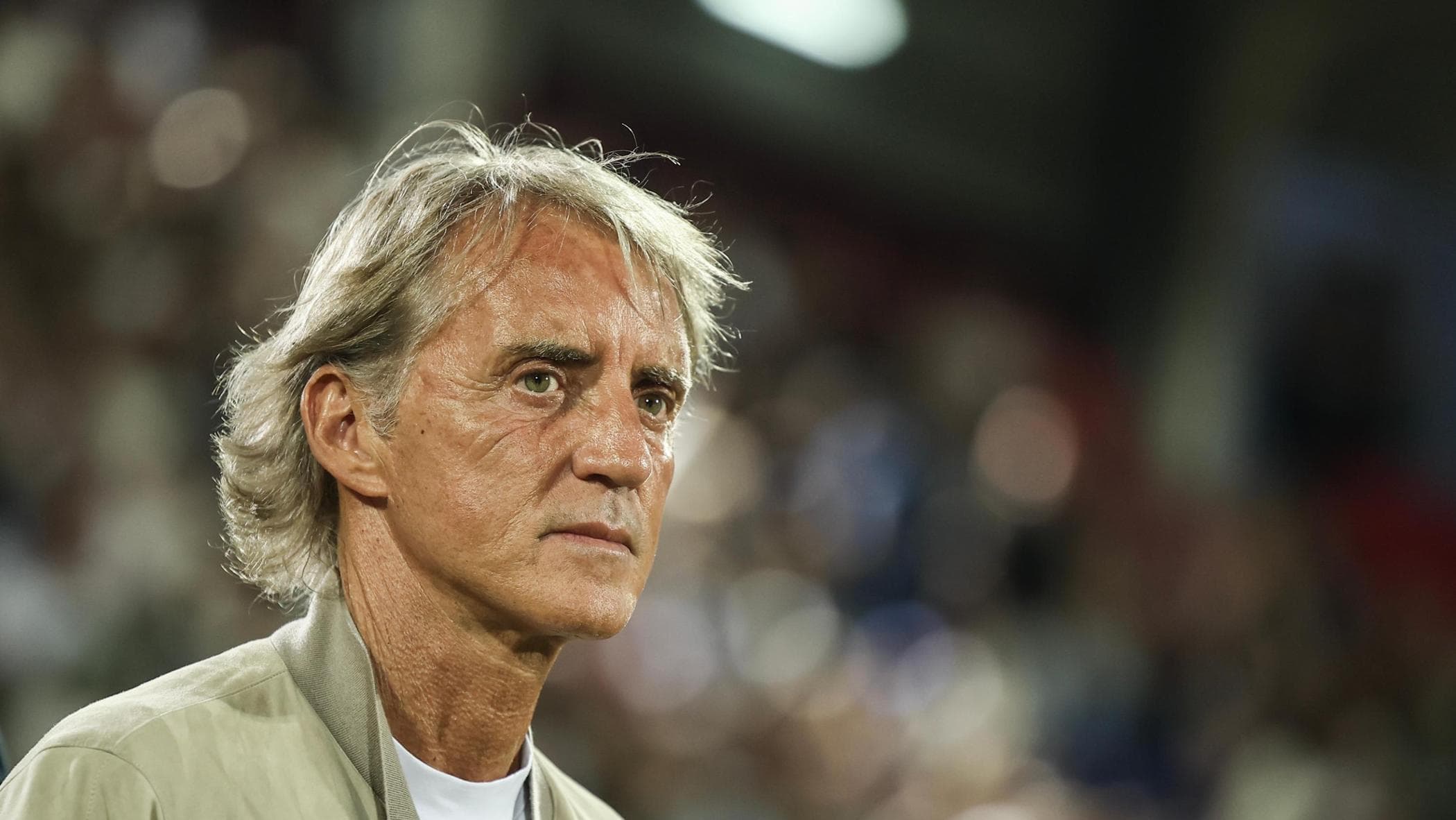
Roberto Mancini, a favored figure of the president, is reportedly being considered for a significant role in Saudi Arabia. This potential appointment is seen as a strategic move to navigate complex political landscapes and overcome existing vetoes. The proposed "intelligent restoration" suggests a nuanced approach to governance aimed at resolving current impasses.
Mancini's involvement signals a desire for a fresh perspective and potentially a shift in the country's political direction. The initiative appears designed to foster reconciliation and move past previous disagreements, aiming for a more unified and effective approach to national challenges. The success of this mission will likely depend on its ability to bridge divides and implement effective policy.
The proposed appointment of Roberto Mancini suggests a strategic attempt by Saudi leadership to leverage external credibility and perceived neutrality to navigate internal political stalemates. This approach aims to circumvent existing vetoes by introducing a figure who may be viewed favorably across different factions, thereby facilitating a "restoration" of functional governance. The success of such a strategy hinges on the extent to which Mancini can act as an independent mediator rather than a proxy for any single interest group. Looking ahead, this reliance on external figures for internal reconciliation highlights potential systemic challenges in Saudi governance, particularly in fostering organic consensus-building among domestic stakeholders. The long-term viability of this approach will be tested by its capacity to empower local institutions and ensure sustainable policy implementation beyond the tenure of any appointed mediator.
AI-generated to prompt reflection — not editorial opinion, not advice, not a statement of fact. How this works.