Mandatory Swim Aids for Non-Swimmers in Some German Pools
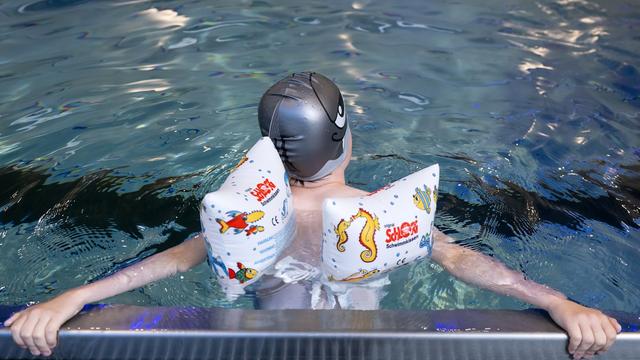
Several swimming pools in Germany have implemented mandatory rules requiring non-swimmers to wear swim aids, such as armbands or flotation vests. This policy aims to enhance safety for individuals who cannot swim independently, reducing the risk of drowning incidents. The decision reflects a proactive approach by pool operators to address potential hazards in aquatic environments. These regulations are specifically targeted at ensuring that patrons who are not confident swimmers have an additional layer of buoyancy and support. The implementation varies across different facilities, with some pools enforcing the rule strictly for all non-swimmers, while others may have specific designated areas or times for this requirement. This measure is part of a broader effort to improve overall water safety standards within public and private swimming facilities across the country. The goal is to create a safer environment for all users, particularly children and inexperienced swimmers, allowing them to enjoy the water with greater confidence and security. Pool management emphasizes that these rules are for the well-being of their patrons and are designed to prevent accidents.
The mandatory use of swim aids for non-swimmers in certain German pools represents a risk management strategy focused on mitigating drowning incidents. This policy highlights a systemic approach to public safety in recreational aquatic settings, prioritizing the prevention of accidents through the provision of basic flotation devices. From a public health perspective, such measures can be effective in reducing the incidence of water-related fatalities and injuries, especially among vulnerable populations like children and novice swimmers. The effectiveness of this policy may depend on consistent enforcement and user compliance. Future considerations could involve exploring educational programs alongside these safety measures to foster stronger swimming skills over the long term, thereby reducing reliance on assistive devices and promoting greater water confidence.
AI-generated to prompt reflection — not editorial opinion, not advice, not a statement of fact. How this works.