Mandela Day: Leaders Urged to Reject Hate and Embrace Accountability
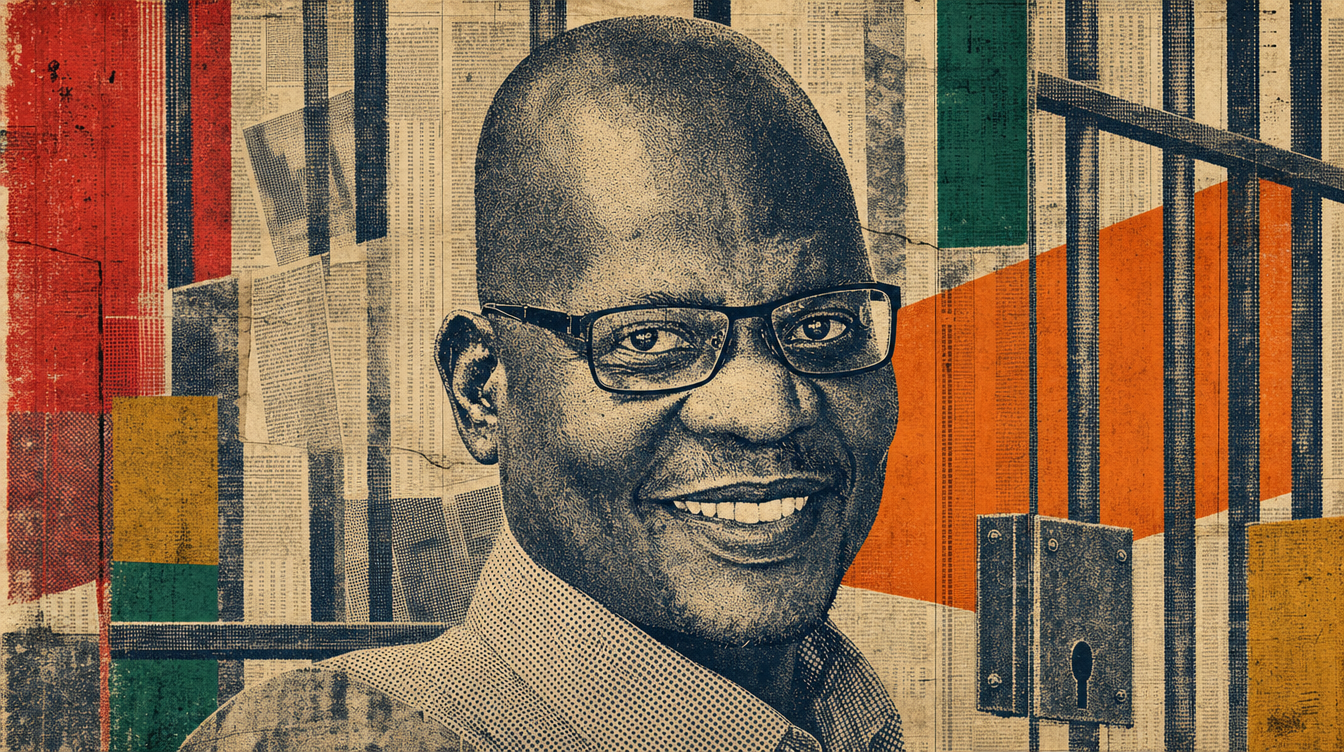
As South Africa observes Mandela Day, a call is being made to reflect on Nelson Mandela's legacy and avoid succumbing to a 'prison of hate.' The current generation of leaders is specifically encouraged to learn from Mandela's example, particularly his emphasis on accountability. The message suggests that by embracing these principles, individuals and the nation can steer clear of destructive resentment and division. This reflection comes at a time when societal divisions and negative sentiments are perceived to be growing. The article implicitly argues that Mandela's approach offers a path toward reconciliation and constructive leadership. It highlights the importance of learning from historical figures to navigate contemporary challenges. The core idea is to actively choose a path of understanding and responsibility over animosity and blame. This Mandela Day serves as a critical juncture for leaders to demonstrate their commitment to these foundational values.
The commentary frames the current leadership's actions through the lens of Nelson Mandela's principles, suggesting a divergence from his emphasis on accountability and a drift towards divisive sentiments. This perspective invites consideration of leadership effectiveness and societal cohesion, particularly in the context of historical reconciliation efforts. The analysis prompts a reflection on whether contemporary governance models adequately incorporate mechanisms for accountability and the mitigation of societal polarization. It encourages an examination of the long-term implications of leadership styles that may inadvertently foster resentment, contrasting them with approaches that prioritize unity and responsibility. The core tension lies in the perceived gap between aspirational ideals, exemplified by Mandela, and the practical realities of current political and social dynamics, urging a strategic re-evaluation of leadership's role in shaping national discourse and fostering collective well-being.
AI-generated to prompt reflection — not editorial opinion, not advice, not a statement of fact. How this works.