Mandela Day: What remains of the legacy of this former mediator in the Burundian conflict?
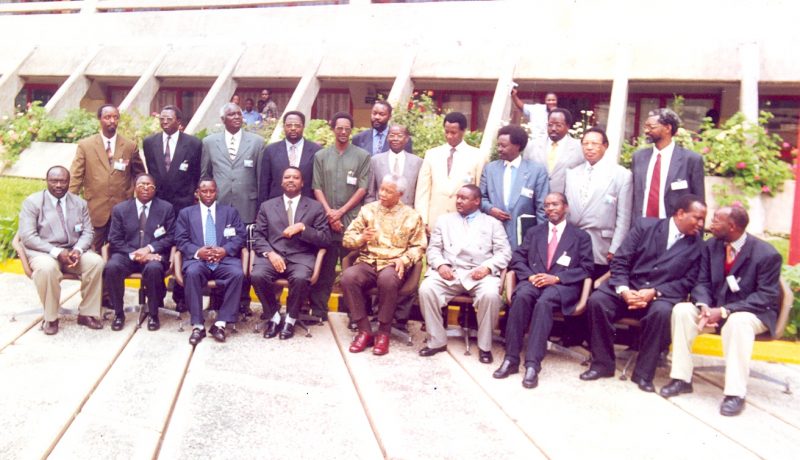
On the occasion of International Nelson Mandela Day, a Burundian political figure who participated in the Arusha negotiations for peace and reconciliation remembers an extraordinary man. This former South African president possessed an exceptional technical skill for reconciling Burundians, according to Léonce Ngendakumana, former president of the National Assembly. Ngendakumana recalled Mandela's unique ability to bring disparate parties together during the peace talks. The Arusha Accords, signed in August 2000, were a pivotal moment in Burundi's history, aiming to end the civil war that had raged for years. Mandela's involvement, though indirect, is seen by some as having provided a crucial moral and political framework for the negotiations. His approach emphasized dialogue, forgiveness, and the establishment of inclusive political institutions. Ngendakumana highlighted Mandela's patience and strategic thinking as key factors in navigating the complex Burundian political landscape. The legacy of his mediation efforts continues to be a subject of reflection, particularly in contexts of ongoing peacebuilding and reconciliation efforts in Burundi and beyond.
Nelson Mandela's role as a mediator in the Burundian conflict, as recalled by Léonce Ngendakumana, highlights the enduring impact of principled negotiation and reconciliation efforts. The analysis of this legacy involves understanding the systemic challenges of post-conflict governance and the long-term effectiveness of negotiated settlements. Evaluating the Arusha Accords' outcomes requires considering the evolving political dynamics in Burundi over the subsequent decades. The focus should be on how such mediation frameworks can be adapted to contemporary challenges, such as ensuring equitable power-sharing and addressing underlying socio-economic disparities, to foster sustainable peace. This perspective encourages a forward-looking assessment of transitional justice mechanisms and their capacity to build resilient institutions capable of preventing future cycles of violence.
AI-generated to prompt reflection — not editorial opinion, not advice, not a statement of fact. How this works.