Mandela's Vision Contrasted with Perceived US Global Hegemony
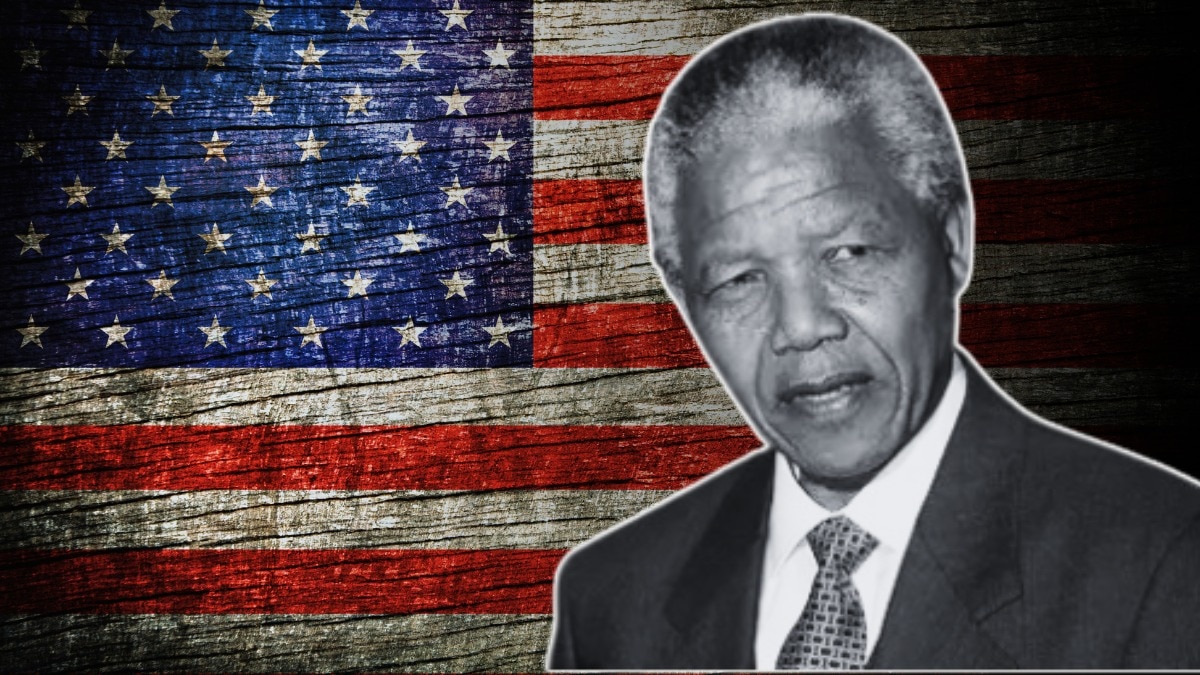
The article suggests that Nelson Mandela, after enduring 27 years in prison, would not have accepted a new oppressive global order. It posits that Mandela understood the core of American diplomacy, viewing concepts like democracy, human rights, and global peace as mere tools. According to this perspective, the United States allegedly uses these ideals as a facade to seize resources and install favorable governments in other nations. The piece implies a stark contrast between Mandela's fight for liberation and the perceived self-appointed role of the US as a global overseer.
This perspective frames global power dynamics through the lens of perceived American exceptionalism and its alleged instrumentalization of democratic ideals for geopolitical gain. It raises questions about the consistency between stated foreign policy objectives and observed actions, particularly concerning resource acquisition and political influence. Examining the historical evolution of international relations and the incentives driving state behavior can offer a more nuanced understanding of these complex interactions. Considering alternative models of global cooperation and governance might also provide insights into mitigating potential conflicts arising from perceived hegemonic tendencies.
AI-generated to prompt reflection — not editorial opinion, not advice, not a statement of fact. How this works.