Manganese Contamination in Groundwater Poses Threat to Bangladesh
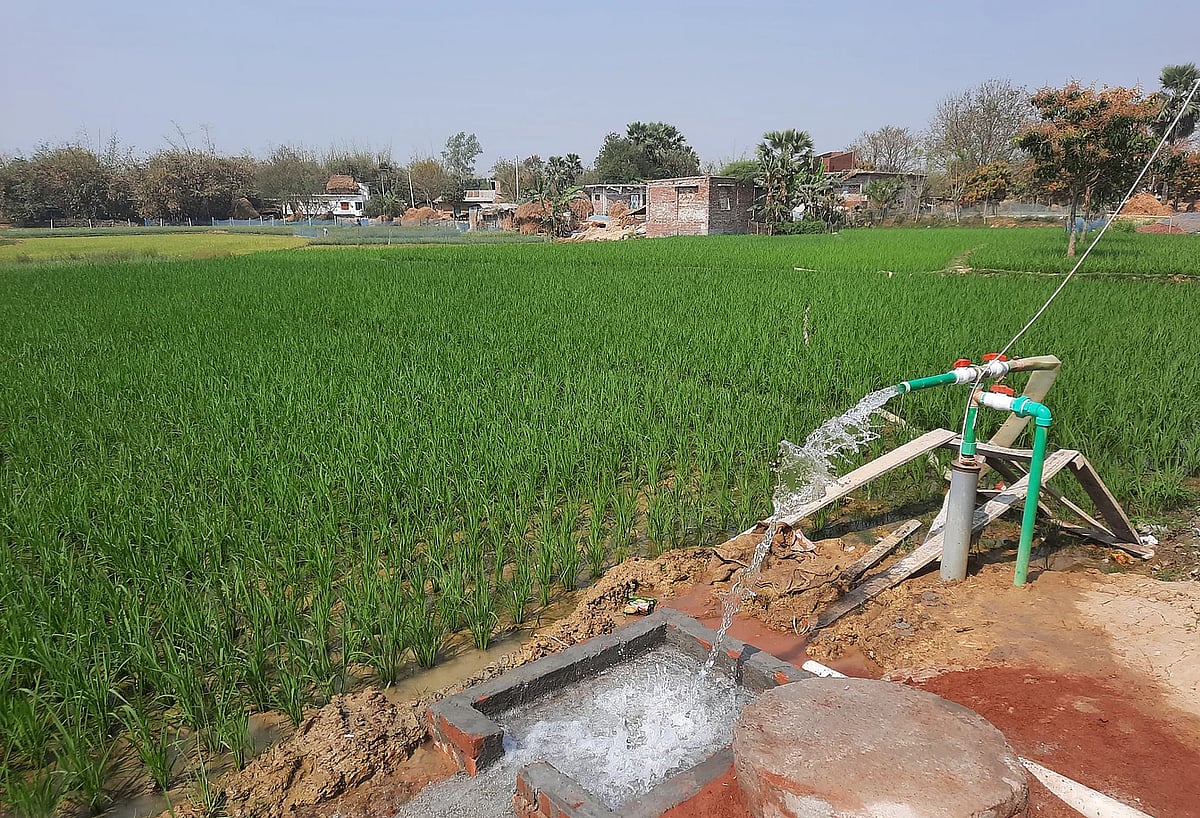
While arsenic and nitrate contamination in water have been widely discussed globally, a new threat has emerged from another element found in groundwater. This previously less-discussed component, manganese, is now presenting a dangerous picture. High levels of manganese in drinking water can lead to serious health issues. The presence of this toxic element in underground water sources is raising significant concerns for public health. Bangladesh, with its vast population relying on groundwater, is particularly at risk. Further research and monitoring are crucial to understand the full extent of this contamination. Immediate steps are needed to address the potential health impacts on the Bangladeshi population. This situation highlights the need for comprehensive water quality assessments beyond commonly known contaminants.
The emergence of manganese as a significant groundwater contaminant in Bangladesh underscores the complex challenges of ensuring safe drinking water. While public health efforts have historically focused on arsenic and nitrate, this situation reveals the potential for other naturally occurring or anthropogenic elements to pose serious risks. The widespread reliance on groundwater in Bangladesh makes it vulnerable to such widespread contamination. Future water management strategies must incorporate broader testing protocols and consider the long-term health implications of various dissolved minerals. Addressing this issue will require a multi-faceted approach involving geological surveys, public health advisories, and potentially the development of new, cost-effective treatment technologies to mitigate exposure risks across the population.
AI-generated to prompt reflection — not editorial opinion, not advice, not a statement of fact. How this works.