Mangla Gauri Vrat: Auspicious Ravi Yoga Conjunction; Avoid These Mistakes
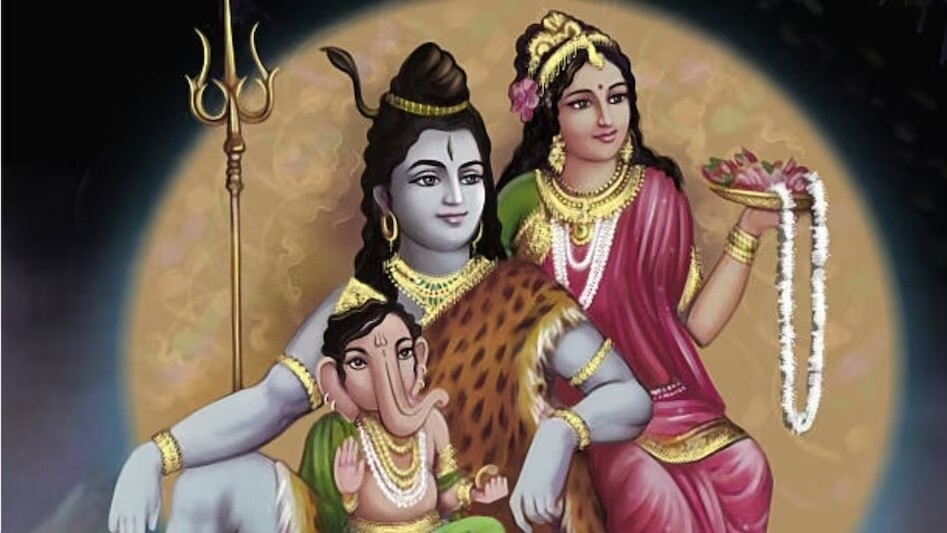
The Mangla Gauri Vrat, observed by married women on Tuesdays during the month of Sawan, is a significant ritual dedicated to seeking blessings from Goddess Parvati. Devotees pray for their husband's long life, unbroken marital fortune, and the overall prosperity and well-being of their family. This year, the observance is further enhanced by the auspicious conjunction of Ravi Yoga, a celestial alignment considered highly beneficial. The article emphasizes the importance of adhering to specific practices and avoiding certain mistakes during this sacred period to ensure the efficacy of the prayers and rituals. While the specific mistakes are not detailed in this excerpt, the focus remains on the spiritual significance of the vrat and the divine opportunity presented by the Ravi Yoga combination. Married women undertake this fast with devotion, seeking divine grace for marital bliss and family harmony.
The confluence of the Mangla Gauri Vrat with Ravi Yoga highlights the cultural integration of astrological beliefs into religious observances. Such conjunctions are often leveraged to amplify the perceived spiritual efficacy of rituals, potentially increasing participation. From a societal perspective, these traditions reinforce familial bonds and gender roles, with women acting as primary custodians of marital well-being through religious practice. The emphasis on avoiding 'mistakes' suggests a framework of prescribed actions and prohibitions, common in many religious systems, designed to maintain ritual purity and maximize spiritual outcomes. This practice, while deeply meaningful to adherents, operates within a belief system where celestial alignments and devotional acts are seen as directly influencing earthly outcomes, a perspective that contrasts with secular, evidence-based approaches to life challenges.
AI-generated to prompt reflection — not editorial opinion, not advice, not a statement of fact. How this works.
