Mangrove Restoration in Guapimirim Reclaims Degraded Area, Welcomes Over 70 Species
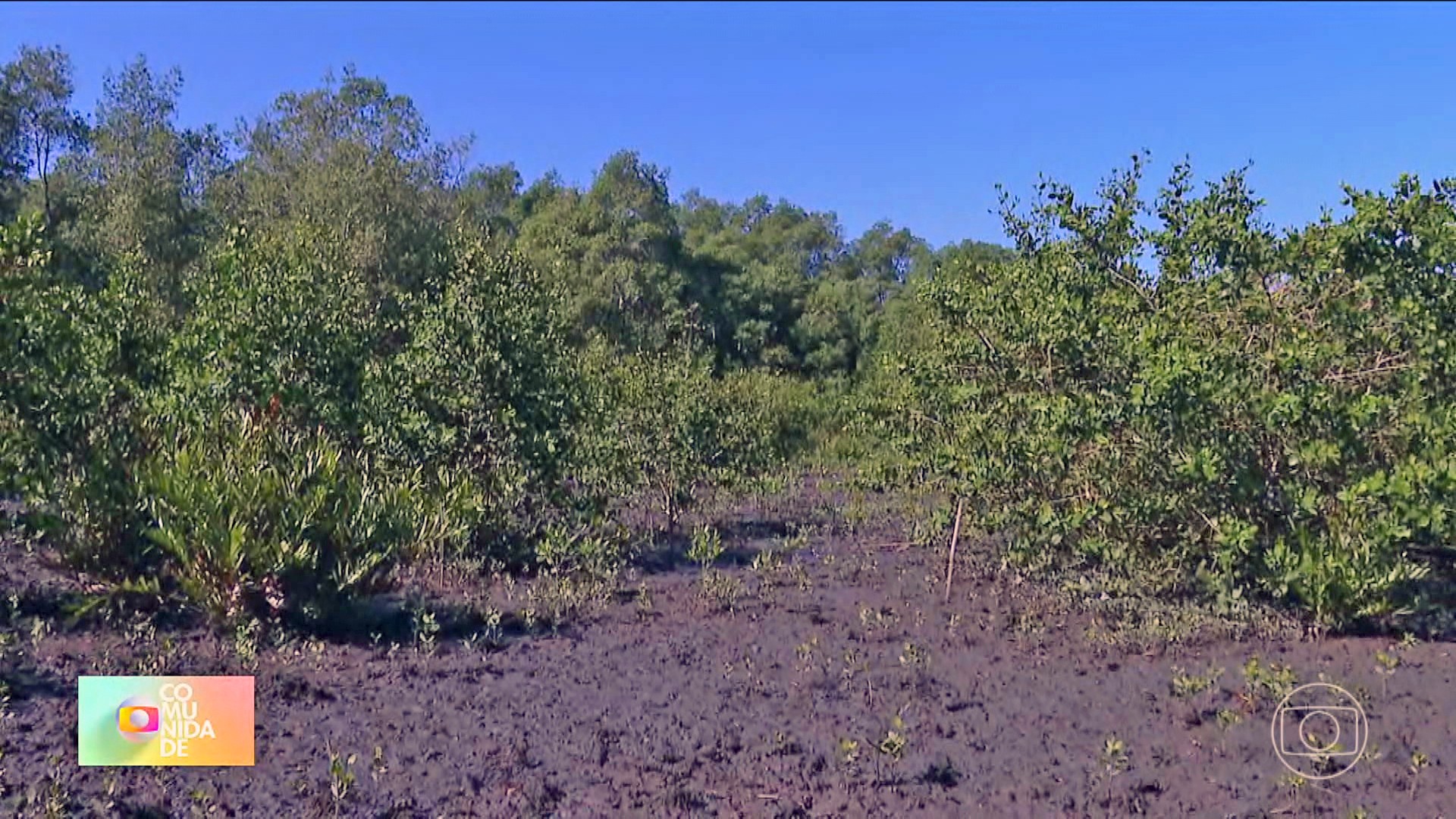
A degraded mangrove area within the Guapimirim Environmental Protection Area (APA) in Baixada Fluminense, Brazil, has been revitalized through an environmental restoration project initiated in 2023. The initiative, a collaboration between Projeto Meros do Brasil and Cooperativa Manguezal Fluminense, involved planting 1,250 native mangrove seedlings. This restoration effort has transformed approximately 400 square meters of land, which now boasts consolidated vegetation with trees exceeding 3 meters in height and has become a habitat for typical mangrove fauna. Non-native plants were removed through volunteer efforts before the introduction of red, black, and white mangrove species. Access to the site requires a 50-minute boat journey through Baixada Fluminense's rivers and canals to reach the Guanabara Bay shoreline. Alaildo Malafaia, an early participant in the project, reported that over 70 species of birds and fish have returned to the previously degraded areas, contributing to the restoration and quality of life for the Guanabara Bay ecosystem. The return of crabs, a key indicator of mangrove health, was also noted. Luana Seixas, manager at Meros do Brasil, expressed emotional satisfaction in witnessing the area's recovery, highlighting that the small seedlings planted in 2023 have now grown significantly. Mangroves are crucial for biodiversity, serving as nurseries for marine and terrestrial life. Malafaia emphasized the ecosystem's economic importance, supporting an estimated 2 million crabs annually and providing livelihoods for around 4,000 people, including over 700 crab-picking families. He expressed a personal aspiration for the return of species like whales and groupers to the Guanabara Bay, underscoring the profound impact of environmental recovery actions.
This mangrove restoration project in Guapimirim demonstrates the tangible ecological and economic benefits of environmental remediation. By reintroducing native species and removing invasive ones, the project has successfully revived a degraded area, fostering biodiversity and creating a vital habitat. The initiative highlights the critical role of mangroves in coastal protection, carbon sequestration, and supporting local economies through activities like crab harvesting. The success of this localized effort, involving community cooperation and dedicated organizations, suggests a scalable model for addressing widespread coastal degradation. Future efforts could explore integrating these restoration successes with broader climate adaptation strategies and sustainable economic development plans for the region, potentially drawing investment by showcasing measurable environmental improvements and community engagement.
AI-generated to prompt reflection — not editorial opinion, not advice, not a statement of fact. How this works.