Manhattan Skyscraper Stabilized After Partial Collapse Threat
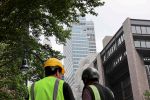
Safety measures around a damaged skyscraper in Manhattan have been reduced, indicating a stabilization of the structure. The building had previously been at risk of collapse. Emergency crews worked to secure the high-rise located in the heart of the city. The immediate danger of a catastrophic failure appears to have passed, allowing for a partial easing of the cordon. Further assessments and repairs are expected to be ongoing. The incident caused significant disruption in the surrounding area, with authorities implementing extensive safety perimeters. The exact cause of the damage and the extent of the necessary repairs are still under investigation.
The stabilization of the Manhattan skyscraper highlights the critical role of rapid engineering response in mitigating urban structural risks. This event underscores the ongoing challenge of maintaining aging infrastructure in densely populated areas, particularly in the face of environmental stressors and wear. Future urban planning may need to incorporate more robust predictive maintenance protocols and adaptive building technologies to preempt such near-catastrophes. The incident also raises questions about the long-term resilience of complex urban environments and the systemic dependencies that could be exposed by infrastructure failures.
AI-generated to prompt reflection — not editorial opinion, not advice, not a statement of fact. How this works.