Manhunt Underway for 63-Year-Old Suspect in Wife's Stabbing Death in Mato Grosso Bar
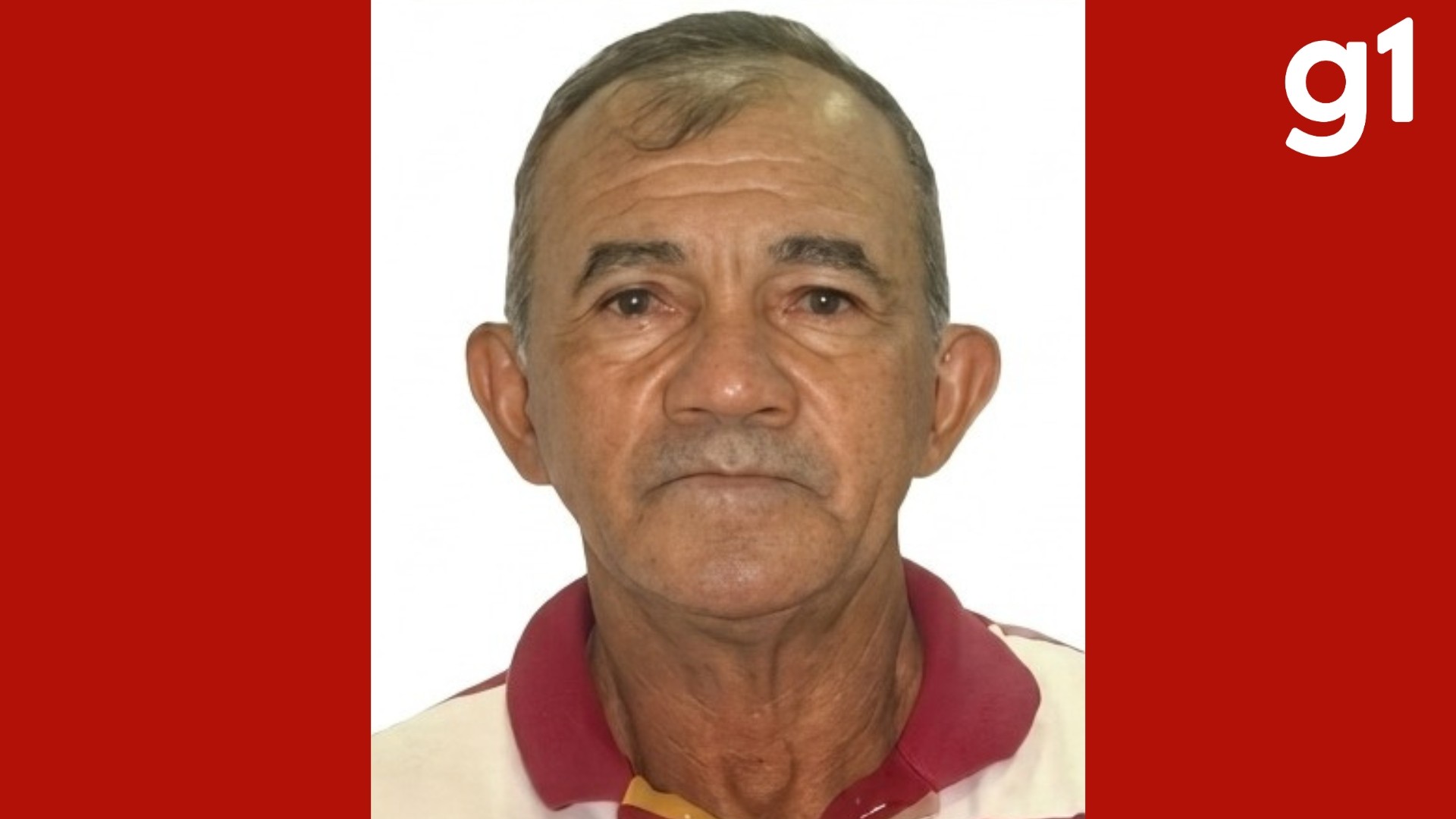
Authorities in Confresa, Mato Grosso, are searching for 63-year-old José da Cruz Evangelista, suspected of fatally stabbing his 33-year-old wife, Daiany Rodrigues de Souza. The incident occurred early Saturday morning, August 4th, at a local bar. According to the police, the couple had been married since January and lived together. The bar owner reported that Evangelista allegedly produced a knife during an argument inside the establishment. The owner attempted to intervene, sustaining a superficial arm wound, but was unable to prevent the attack on Rodrigues de Souza. She was reportedly pursued into a room on the property and fatally wounded there. Evangelista fled the scene immediately after the attack and remains at large despite extensive searches by military police. The area was secured for the Civil Police and technical experts to investigate the circumstances of the crime, which is being treated as feminicide. This incident marks Mato Grosso's 26th feminicide case in 2026, according to the Observatório Caliandra, highlighting a pattern where victims are often killed by partners or ex-partners, frequently within domestic settings. Resources like the 'SOS Mulher MT' app are available to assist victims of domestic violence in the state, offering features such as a panic button and access to emergency services and legal support.
This tragic event underscores the persistent challenge of domestic violence and feminicide in Brazil. The investigation into the alleged actions of José da Cruz Evangelista will likely focus on the breakdown of the intimate relationship and the escalation of conflict to lethal violence. Systemic analysis should consider the effectiveness of existing protective measures, such as restraining orders and the 'SOS Mulher MT' app, in preventing such outcomes. The high rate of feminicides in Mato Grosso, often linked to intimate partner violence within domestic spheres, suggests a need for enhanced community-based prevention strategies, robust enforcement of protective laws like Maria da Penha, and accessible support networks for individuals at risk. Future efforts may benefit from examining how to better identify and intervene in escalating domestic disputes before they reach a fatal conclusion, potentially through improved access to counseling and conflict resolution services for couples, and more immediate, effective responses to reported threats.
AI-generated to prompt reflection — not editorial opinion, not advice, not a statement of fact. How this works.