Manifesta 16: Artistic Liturgy in Germany's Ruhr Region
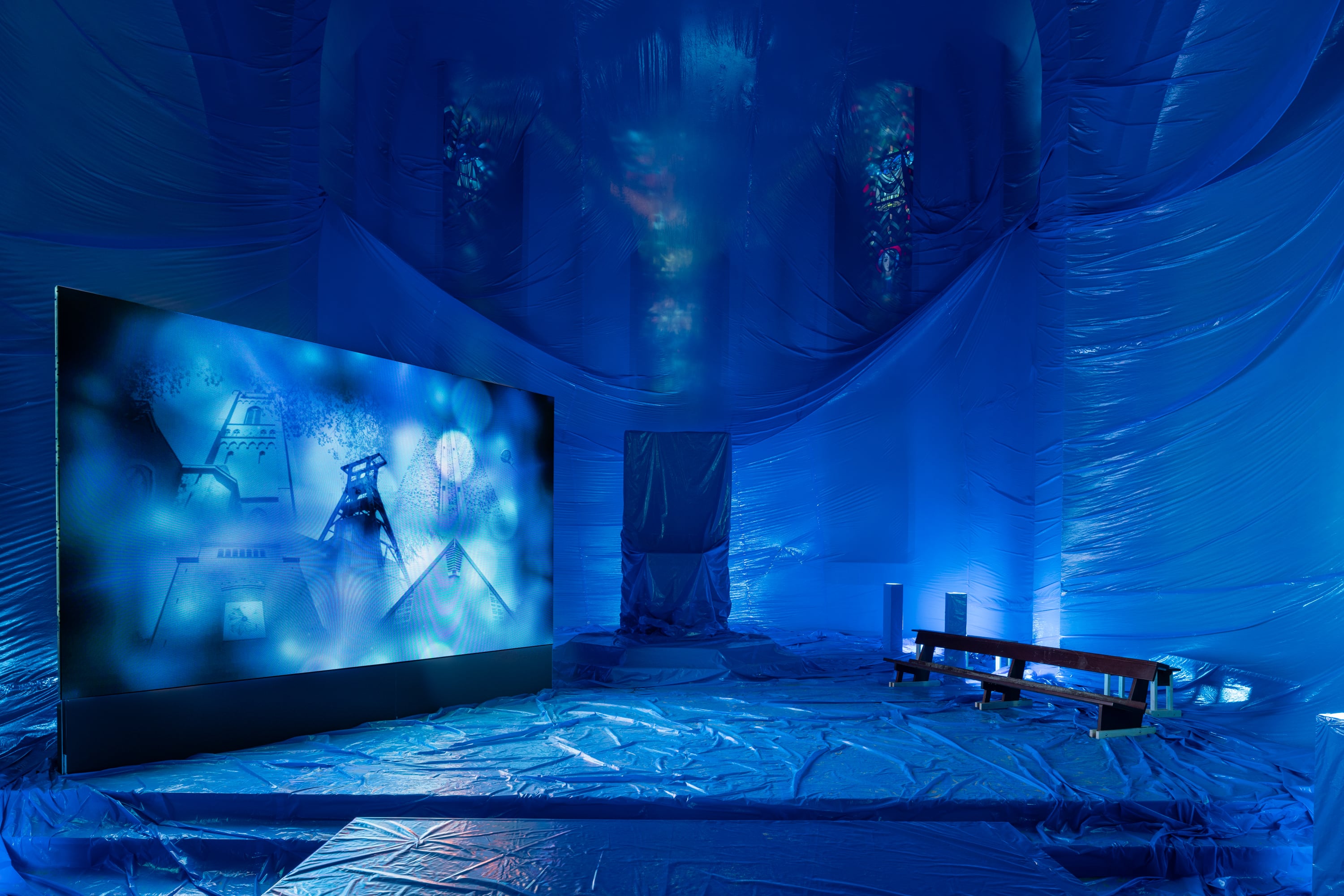
The traveling biennial art exhibition, Manifesta, has arrived in Germany's Ruhr region following its previous stop in Barcelona. The exhibition aims to offer a reinterpretation of the industrial and spiritual memory of the region, particularly in the wake of its coal mines' closure. However, the reception and execution of this artistic endeavor are described as uneven. Manifesta 16 seeks to engage with the complex history and transformation of the Ruhr area, a region historically defined by its heavy industry and mining operations. The biennial's presence is intended to spark dialogue and reflection on the area's past, present, and future through various artistic installations and performances. The success of this re-reading of the region's industrial and spiritual legacy is a key focus, with the exhibition's impact being evaluated as varied.
Manifesta 16's engagement with the Ruhr's industrial and spiritual memory presents a case study in how contemporary art can interpret post-industrial landscapes. The exhibition's success hinges on its ability to transcend mere documentation, fostering a dialogue that acknowledges the region's complex transition. The challenge lies in balancing artistic expression with a sensitive portrayal of socioeconomic shifts and community identity. Future iterations could explore deeper collaborations with local populations, ensuring the narratives presented are both resonant and reflective of lived experiences, thereby strengthening the cultural and economic revitalization efforts in such post-industrial zones.
AI-generated to prompt reflection — not editorial opinion, not advice, not a statement of fact. How this works.