Manjur Alam Beg's 'Shadow Flower' Captures Dhaka's Past and Present
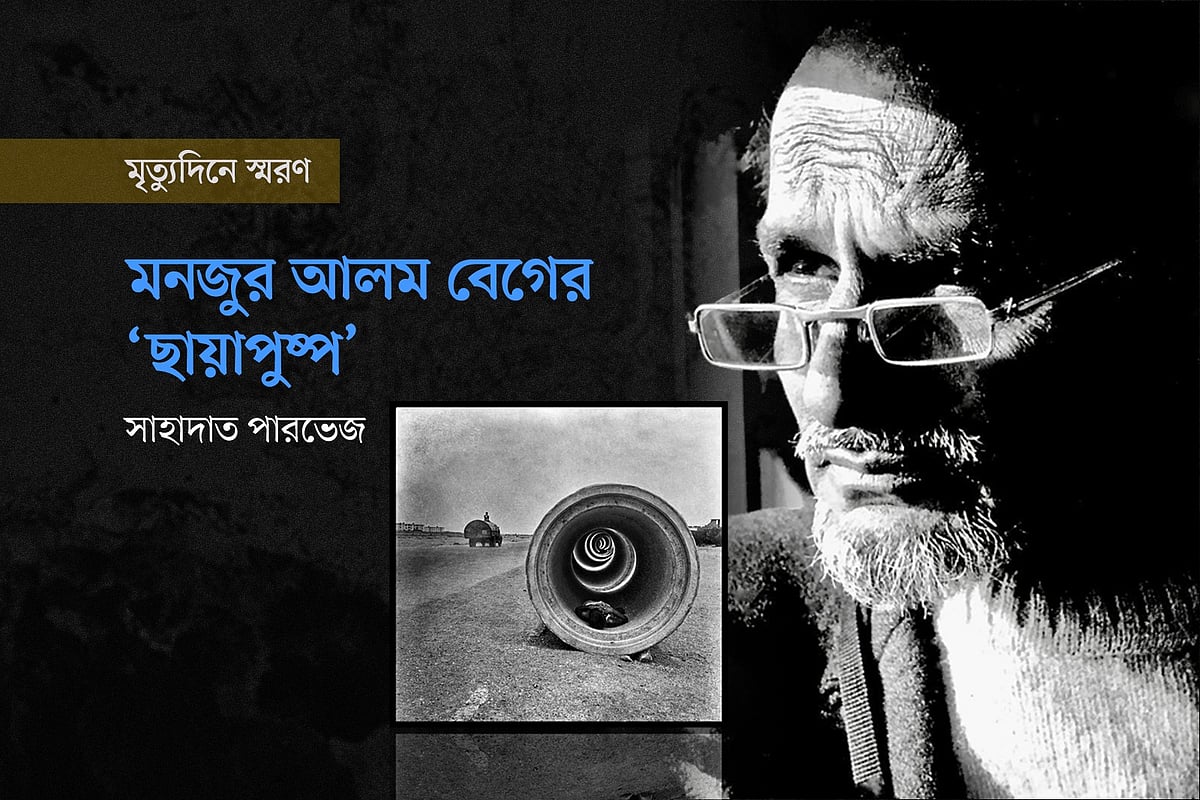
A discussion about Manjur Alam Beg's iconic photograph, "Shadow Flower," originally published in the "Photography Digest" by the Bangladesh Photographic Society (BPS) in 1981, highlights its artistic and historical significance. The black-and-white image, taken by Beg himself, depicts two laborers resting inside large cement pipes on a city street during a hot afternoon. A construction truck moves slowly nearby, creating a scene that blends the starkness of urban infrastructure with the resilience of human life. The interplay of light filtering through the pipes forms circular patterns reminiscent of a blooming rose, earning the photograph its evocative title and drawing parallels to the beauty found in everyday, often overlooked, subjects.
This photograph is considered a prime example of street photography, a vital genre within documentary photography. While the exact date and location are unknown, the image offers clues about Dhaka's past, potentially captured in the post-independence era. The scene, with its sparse traffic, drainage pipes, and nascent buildings, symbolizes the infrastructural development of a nation recovering from war and expanding its urban landscape. The image serves as a historical document, offering insights into the city's transformation over the past five decades.
Art critics and educators have lauded the photograph's unique composition and emotional depth. Nature writer Mrityunjay Ray compared the circular openings of the pipes to the petals of a half-bloomed rose, emphasizing Beg's ability to transform ordinary elements into art. Saiful Amu, founder of Counter Photo, praised Beg's mastery of street photography, noting how he broke conventions by focusing on the human element and the narrative of struggle, poverty, and survival, rather than solely on the photographer's technical skill. Both acknowledge Beg's immense contribution as an artist, teacher, and organizer in shaping Bangladesh's photographic landscape, lamenting that much of his work remains unseen by younger generations.
This analysis examines Manjur Alam Beg's photograph through the lens of its dual role as artistic expression and historical record. The image's power lies in its ability to transcend a simple depiction of urban labor, transforming mundane elements like drainage pipes and working individuals into a compelling narrative of resilience and the human condition. The comparison to a "shadow flower" suggests a profound aesthetic sensibility that finds beauty and meaning in challenging environments. From a historical perspective, the photograph offers a tangible glimpse into Dhaka's socio-economic and infrastructural evolution over the past fifty years, serving as a valuable primary source for understanding the city's development trajectory. The discussion also raises systemic questions about the preservation and dissemination of significant cultural works, particularly concerning artists like Beg who have profoundly influenced their field but whose legacies may not be fully accessible to contemporary audiences. This highlights a broader challenge in the art world: ensuring that foundational contributions are recognized and integrated into ongoing cultural discourse to inform future artistic and societal development.
AI-generated to prompt reflection — not editorial opinion, not advice, not a statement of fact. How this works.