Manos Hadjidakis's 'Athanasia' Banned from Performance
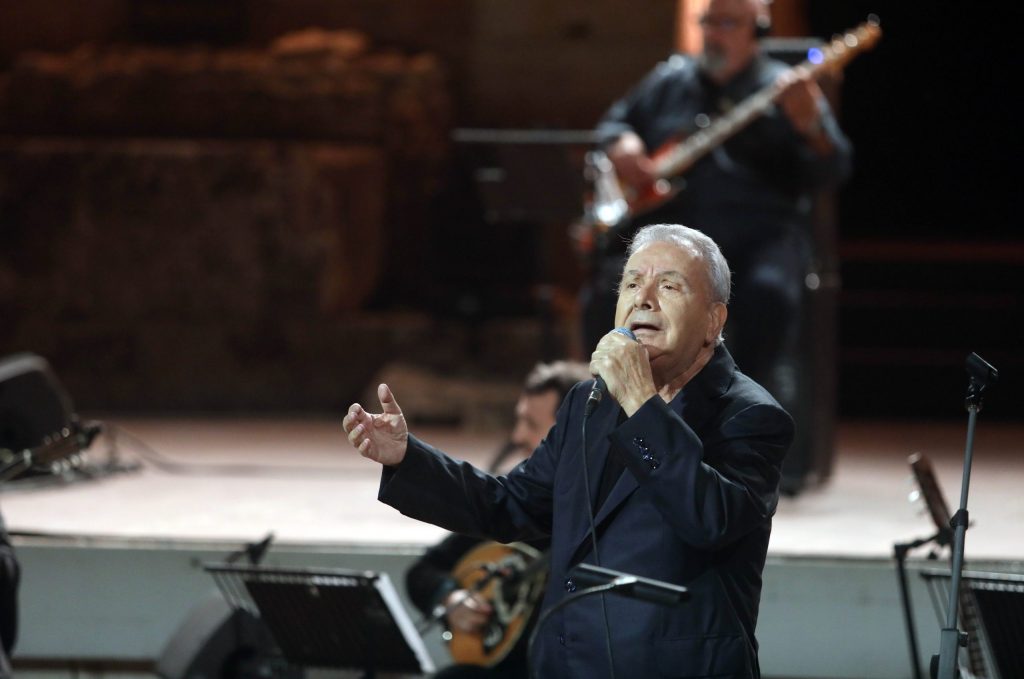
The heir to the intellectual property rights of the renowned Greek composer Manos Hadjidakis has prohibited the singer Manolis Mitsias from performing the song 'Athanasia' (Immortality). The author of the original text expresses strong disapproval and disbelief that such a ban would be imposed, suggesting it is akin to a nightmare rather than reality. The implications of this prohibition are considered significant by the author, who implies that preventing the song's performance is a grave error. The context suggests 'Athanasia' holds considerable cultural or personal importance, making its suppression particularly contentious. The author questions the justification for this decision, highlighting the perceived injustice of silencing a beloved song and a prominent artist. The ban raises questions about copyright enforcement and artistic freedom in Greece.
The prohibition on performing Manos Hadjidakis's 'Athanasia' by the copyright holder, preventing Manolis Mitsias from singing it, raises questions about the balance between intellectual property rights and cultural heritage. While copyright law aims to protect creators' works, its application can sometimes conflict with public access and the continuation of artistic traditions. This situation highlights a potential tension where the enforcement of rights might inadvertently diminish the cultural footprint of a significant work. Future considerations could involve exploring mechanisms for licensing or exceptions that allow for the performance of culturally important pieces, especially when the artist is a celebrated performer and the work is widely recognized. This scenario prompts reflection on how legacy works can be preserved and shared in evolving cultural landscapes, ensuring that artistic expression is not unduly stifled by rigid interpretations of ownership.
AI-generated to prompt reflection — not editorial opinion, not advice, not a statement of fact. How this works.