Mapuche Acquittal Sparks Debate on Land Usurpation Cases
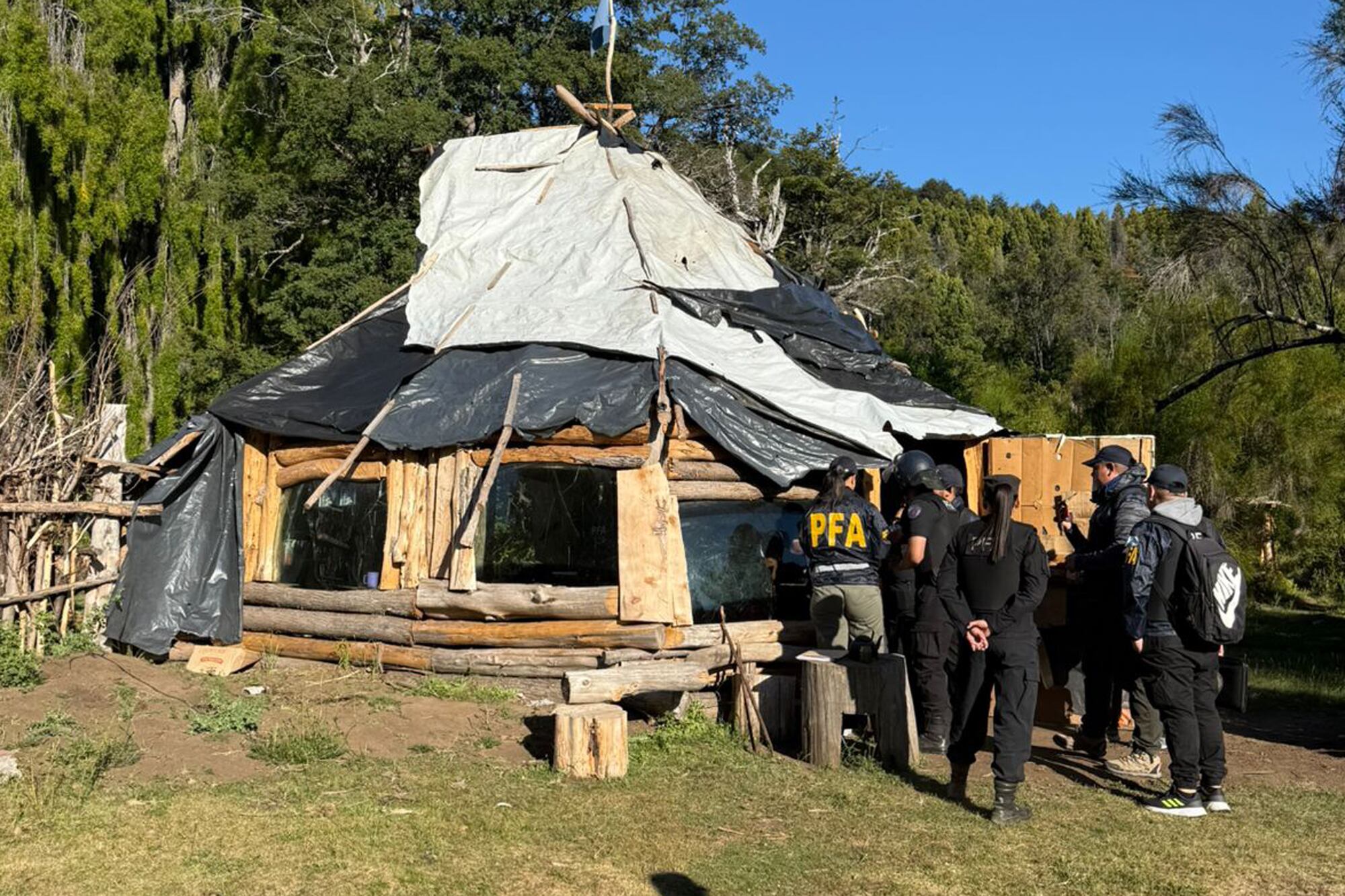
The recent acquittal of a Mapuche group in Argentina has reignited a contentious debate surrounding land usurpation cases, particularly in the southern regions of the country. Legal advocates for indigenous communities view the ruling as a potential precedent that could influence ongoing and future legal proceedings. This development has raised significant concerns among landowners who fear increased challenges to their property rights. The acquittal is seen by some as a validation of indigenous claims to ancestral lands, while others worry about the implications for private property ownership and legal certainty. Several other land usurpation cases are currently pending in the judicial system, and the outcome of this particular case may shape how these are handled. The debate highlights the complex intersection of indigenous rights, land ownership, and the legal framework in Argentina. The government and judicial bodies are now under pressure to address these sensitive issues, which have long-standing historical and social dimensions. The resolution of these cases is crucial for maintaining social harmony and ensuring legal clarity for all parties involved.
The Mapuche acquittal introduces a critical juncture in Argentina's ongoing dialogue on indigenous land rights and historical claims. This judicial outcome may incentivize further legal challenges from indigenous communities seeking restitution, potentially creating a more complex legal and political landscape for landowners and the state. The case underscores the systemic tension between recognizing ancestral rights and upholding established private property laws. Future policy and judicial decisions will need to navigate this delicate balance, considering the long-term implications for social cohesion and economic development in regions with significant indigenous populations. The evolving legal interpretation of land rights in the context of historical injustices will likely remain a key factor in regional stability over the next decade.
AI-generated to prompt reflection — not editorial opinion, not advice, not a statement of fact. How this works.